

Article
Stefan Lehne
{
  "authors": [
    "Stefan Lehne"
  ],
  "type": "commentary",
  "blog": "Strategic Europe",
  "centerAffiliationAll": "",
  "centers": [
    "Carnegie Endowment for International Peace",
    "Carnegie Europe"
  ],
  "englishNewsletterAll": "",
  "nonEnglishNewsletterAll": "",
  "primaryCenter": "Carnegie Europe",
  "programAffiliation": "",
  "programs": [],
  "projects": [],
  "regions": [
    "Europe",
    "United States"
  ],
  "topics": [
    "Democracy",
    "EU",
    "Domestic Politics"
  ]
}
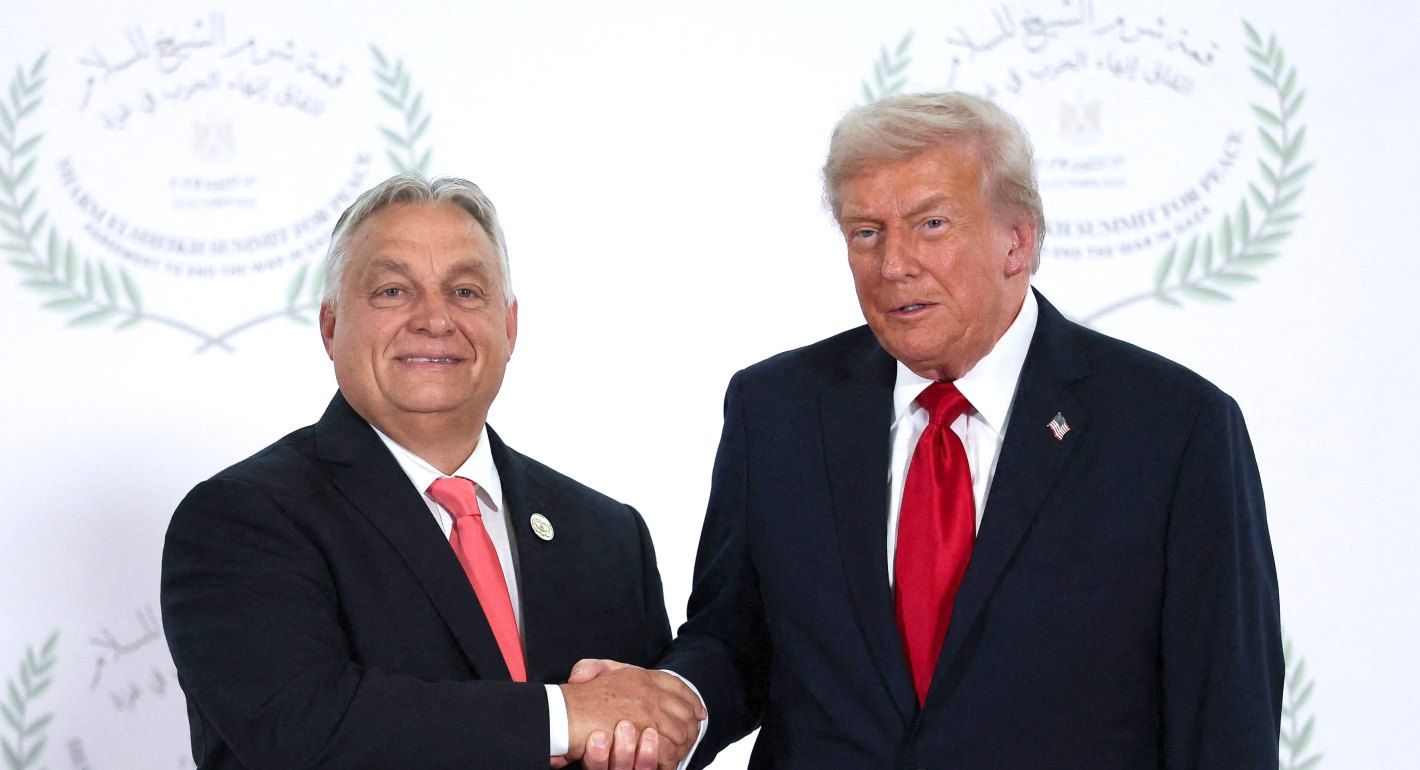
Source: Getty
The second term of U.S. President Donald Trump is pushing Europeans to strengthen their capacity for collective action. But their biggest challenge comes from within: U.S.-backed radical-right parties that want to weaken the EU.
One year after Donald Trump was elected president of the United States for a second term, Europe is still in shock. The EU is, again, confronted with an American leader who considers it to be an unfair economic competitor, an ideological foe, and a club of countries fecklessly freeloading on U.S. military strength. In February, Trump explicitly said, “The European Union was formed to screw the United States, that’s the purpose of it, and they’ve done a good job of it.”
Trump’s hostile language, the economic damage inflicted by his tariffs, and the rejection of former shared principles all leave Europeans with a feeling of huge uncertainty about their future in a world that is being aggressively reshaped by U.S. power.
But could this crisis also be a moment of opportunity for the EU? Could the bloc respond to Trumpian disruption by getting its act together and strengthening its capacity for collective action? The answer to this will depend to a large degree on the union’s ability to contain far-right forces and their attempts to cripple the European project.
The Trump challenge is different from other crises the EU has faced. It is a “polycrisis,” which simultaneously impacts European foreign policy, military security, trade, and technology, as well as ideology and values.
Trump “floods the zone” with improvised messages and a rapid stream of new initiatives. The EU, with its cumbersome modus operandi of long-term diplomacy, struggles to keep up. Socialized by decades of following the U.S. lead, many European politicians still desperately seek to stay on Trump’s good side, even if that requires undignified subservience and sycophancy. The U.S. president probably considers this kind of behavior to be a sign of weakness and feels encouraged to come back with further demands.
Trump disdains EU institutions and prefers to deal with individual national leaders, flattering some and dressing down others. Although European Commission President Ursula Von der Leyen recently regained some ground as an interlocutor, the U.S. president’s tendency to play EU members off against each other can weaken the bloc’s cohesion and exacerbate divisions.
Trump’s questioning of security guarantee and his constantly shifting messages on Ukraine have both reinforced the case for Europe’s strategic autonomy and highlighted the continent’s continued dependence on U.S. military support. In this situation, EU leaders resemble Saint Augustine who famously prayed “Lord, make me chaste, but not yet!” Only, their prayer seems to be “Lord, make us autonomous, but not just yet!”—a confusing message, both to the outside world and to their own public.
For the past year, European leaders have mainly responded to the storm of Trumpian policies by trying to gain time and limit the damage. The union certainly has not projected an image of strength and resilience. However, this is early days. Trump will be around for at least three more years, and the old transatlantic relationship will probably never return.
Depressing as it all sounds, this also has its positive side: It makes Europeans painfully aware of their vulnerabilities.
It is evident that they must urgently rebuild military strength and that this will be more effective if it is done through joined-up efforts, both within the EU and within NATO. When it comes to technology, they can no longer rely on the EU’s regulatory prowess and the famous “Brussels effect.” They need to ramp up investment in their own capabilities if they don’t want to end up as a U.S.—or Chinese—colony. In order to counter the “weaponization of dependencies,” as von der Leyen calls it, Europeans will have to diversify supply chains and build stocks of critical materials.
As the Draghi and Letta reports amply demonstrated, Europe’s competitiveness in a fragmenting world economy will crucially depend on completing the internal market and on finally creating a fully integrated market for savings and investment.
Finally, Europeans also need to form alliances with like-minded countries across the globe in order to protect and shore up the indispensable foundations of international order.
This agenda shows that ideology rather than security or trade may emerge as Europe’s central battleground with Trumpism. All these tasks require more collective action and more solidarity on the European level. Yet this program runs directly against the plans of Trump’s ideological allies in Europe: the radical-right parties, which continue to gain ground across the continent. For the most part, they have abandoned the idea of leaving the EU. Now, their aim is to push the union back into a looser arrangement led by sovereign nations, which can set their own course unencumbered by European rules and institutions. There is much that divides far-right leaders Marine Le Pen, Viktor Orbán, Alice Weidel, and Giorgia Meloni, but they all are hostile to deeper integration of the EU.
Throughout this year, Trump and his collaborators have repeatedly interfered in election campaigns to boost the chances of their far-right friends. MAGA representatives have forged a wide-ranging network with their European counterparts for sharing ideas and coordinating mutual support. At this stage, it is not evident that Trump’s meddling in European party politics produces the desired results. He certainly emboldens and energizes some radical-right politicians and their base. But his economic policies that hurt European interests are likely to drive some voters away.
While the direct impact of Trump’s involvement is hard to determine, the struggle between his allies who promote weakening the European project and returning to traditional state sovereignty and those who favor a stronger and more united Europe will be decisive in shaping the future of the union. A continuing success of the radical right is unlikely to immediately destroy the EU such as it is—the cost would be simply too high—but it can certainly prevent it from rising to the challenges of a world reshaped by Trump.

Senior Fellow, Carnegie Europe
Stefan Lehne is a senior fellow at Carnegie Europe in Brussels, where his research focuses on the post–Lisbon Treaty development of the European Union’s foreign policy, with a specific focus on relations between the EU and member states.
Recent Work
Stefan Lehne

Rosa Balfour, Stefan Lehne, Elena Ventura
Carnegie does not take institutional positions on public policy issues; the views represented herein are those of the author(s) and do not necessarily reflect the views of Carnegie, its staff, or its trustees.
Europe isn’t as weak in the new geopolitics of power as many would believe. But to leverage its assets and claim a sphere of influence, Brussels must stop undercutting itself.

Dimitar Bechev

Europe’s reaction to the war in Iran has been disunited and meek, a far cry from its previously leading role in diplomacy with Tehran. To avoid being condemned to the sidelines while escalation continues, Brussels needs to stand up for international law.

Pierre Vimont
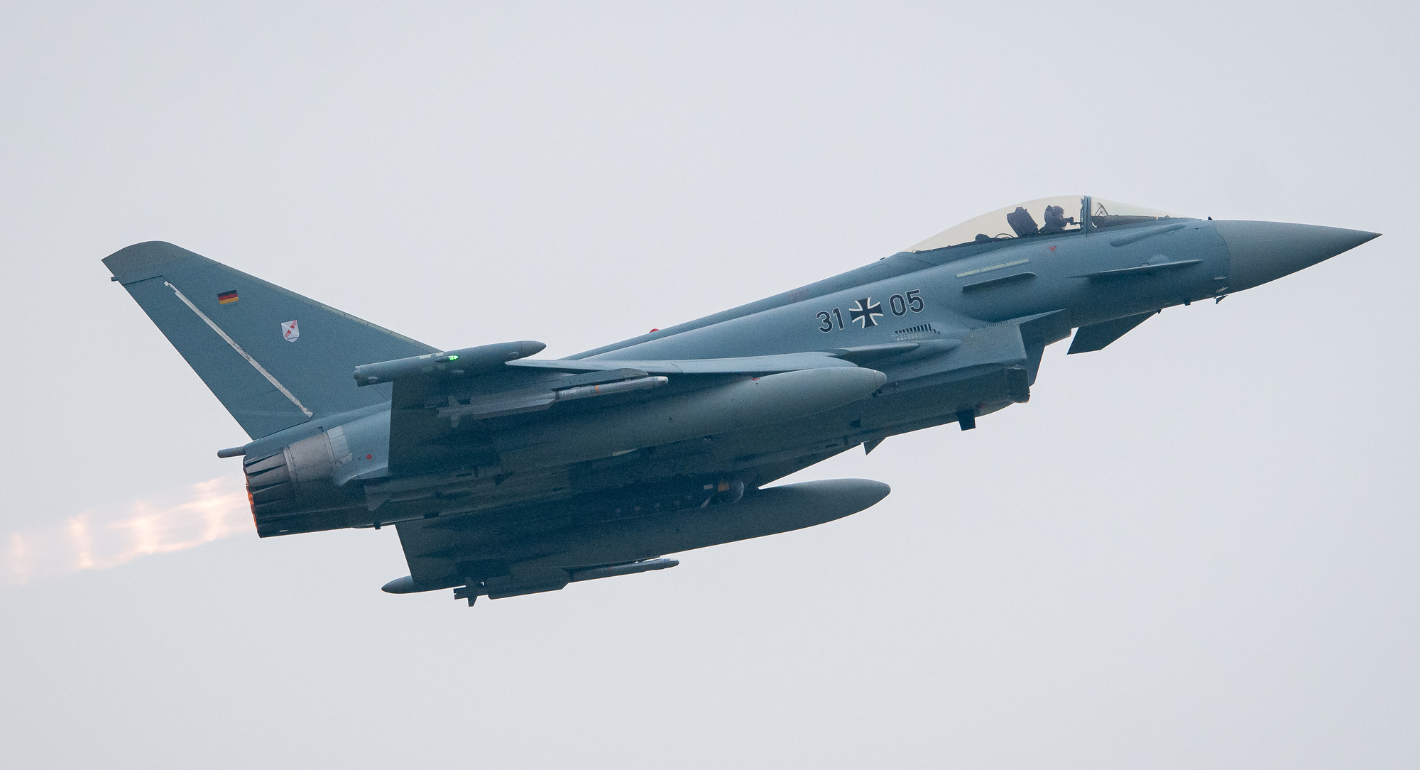
France and Germany’s failure to agree on the Future Combat Air System (FCAS) raises questions about European defense. Amid industrial rivalries and competing strategic cultures, what does the future of European military industrial projects look like?

Rym Momtaz, ed.
France has stopped clinging to notions of being a great power and is embracing the middle power moment. But Emmanuel Macron has his work cut out if he is to secure his country’s global standing before his term in office ends.
Rym Momtaz
Integrating AI into the workplace will increase job insecurity, fundamentally reshaping labor markets. To anticipate and manage this transition, the EU must build public trust, provide training infrastructures, and establish social protections.

Amanda Coakley