

Commentary
Michael Young
{
  "authors": [
    "Michael Young"
  ],
  "type": "commentary",
  "blog": "Diwan",
  "centerAffiliationAll": "",
  "centers": [
    "Carnegie Endowment for International Peace",
    "Malcolm H. Kerr Carnegie Middle East Center"
  ],
  "englishNewsletterAll": "",
  "nonEnglishNewsletterAll": "",
  "primaryCenter": "Malcolm H. Kerr Carnegie Middle East Center",
  "programAffiliation": "",
  "regions": [
    "Iran",
    "Israel",
    "United States",
    "Levant",
    "Lebanon",
    "Gulf"
  ]
}

Source: Getty
In an interview, Naysan Rafati assesses the first week that followed the U.S. and Israeli attack on Iran.
Naysan Rafati is a senior analyst at International Crisis Group, where he focuses on Iran’s nuclear program and regional policies. He holds MSt and DPhil degrees in Oriental Studies from St Antony’s College, Oxford. Diwan interviewed Rafati in early March in order to get his perspective on the ongoing conflict involving the United States and Israel on the one side, and Iran on the other.
Michael Young: More than a week into the U.S. and Israeli attack on Iran, what are your main takeaways about where the conflict is heading, and how it might end?
Naysan Rafati: The early days of the conflict have echoed some of the characteristics of the June 2025 war: It is a contest of firepower versus willpower. The Islamic Republic has no hope of matching U.S. and Israeli military capabilities, especially when its defenses are so porous and its intelligence vulnerabilities so substantial. Its losses in terms of both personnel and hardware have been high, starting with the death of supreme leader Ali Khamenei and across its ballistic missile sector, naval assets, and security apparatus.
However, the Iranians also have a minimal standard for success: Survival. Tehran believes it can absorb a substantial amount of pain, but also hold out to the point where its adversaries either see declining returns in continuing the war or contend with enough costs to end it. That may have worked in June, when a ceasefire gave all sides some measure of satisfaction—Israel having knocked back Iran’s ballistic and nuclear programs; the United States having a dramatic supporting role with Operation Midnight Hammer; and Iran arguing that its resilience and willingness to fight a longer battle of attrition pushed its adversaries to look for an exit. But a key difference now is that the United States and Israel seem to be looking for a more decisive outcome that no longer makes regime survival an option.
MY: How would you assess Iran’s effort to expand the conflict as a means of strengthening its hand in any postwar negotiations? Do you think that its targeting of Arab countries surrounding Iran has, on balance, benefited Tehran, or on the contrary has isolated it further, making it more vulnerable?
NR: The Iranians are expanding the conflict to raise the costs for Washington in the hope of ending the conflict sooner rather than later. It’s a case of making it through to the “postwar” before considering how negotiations afterward could play out. For Tehran, striking the Gulf states is a means of deploying its main offensive tools—missiles and drones—for three ends: striking U.S. bases and interests; hoping that Gulf governments that now find themselves on the front line will press the White House to curb its campaign; and injecting costly uncertainties into global markets. But there’s no doubt this strategy could have both immediate and long-term blowback—immediate, if it leads Gulf states to more actively support the U.S. effort; and long term if it casts a deep pall over their future relations with Iran.
MY: The decision to expand the war to Lebanon, where it’s likely Iran had a direct say in the decision of Hezbollah to bomb Israel on March 2, has been interpreted by many Lebanese as a suicidal step that has provoked Israel’s long-awaited plan to disarm and destroy Hezbollah once and for all. Do you agree with this interpretation, namely that Israel will not stop until it crushes the party, therefore that Iran’s decision may only further weaken its so-called Axis of Resistance?
NR: For decades, Iranian strategy was to build up its network of non-state allies to deter Israel and the United States, or both, from taking on Iran directly, lest they risked a multifront confrontation. But Israel’s post-October 7, 2023 campaigns degraded that capacity—first with Hamas, then with Hezbollah. The fall of Bashar al-Assad in Syria compounded the strategic losses for Iran, leaving it with a substantially reduced capacity to project power and influence across the Levant. This weakening of the Axis of Resistance helped establish a strategic environment in which striking Iran’s nuclear and missile sites last June entailed fewer downsides. In the current conflict, the involvement of a diminished Hezbollah would add little to Iranian capabilities, but gives Israel the opportunity to ramp up its parallel campaign in Lebanon. Further afield, the Houthis may be the most potent node in the Axis of Resistance that is still standing, though they have yet to enter the fray in any meaningful way.
MY: Who is winning this war? Many argue that Iran doesn’t have the means to prevail militarily, while dissident voices in the West argue that there is no way that the United States and Israel can impose their conditions on Iran, by which I mean an end to its nuclear program, a severe curtailing of its ballistic missile program, and a severing of Iran’s ties to its regional allies?
NR: The United States and Israel can make a good case for having the upper hand based on the damage they’re done so far: former supreme leader Ali Khamenei has been killed; senior commanders have been eliminated; Iranian airspace appears to be largely under their control; Iran’s missile production and launch capability have been substantially eroded; much of the Iranian navy has been sunk; and the regime’s iron fist—the police and the security services—has been weakened. Moreover, Iranian retaliation is more likely to bring it greater opprobrium than sympathy. The Iranians would likely counter by saying that the regime has not collapsed or yet shown major signs of fracture, and that their ostensible advantage in playing the long game has yet to unfold. But the United States and Israel seem intent on pursuing this campaign for one of two outcomes—the regime’s surrender or its collapse.
MY: Finally, last week there were reports that the CIA was arming Iranian Kurdish forces and that the United States is encouraging Iraqi Kurdish factions to allow Iranian Kurds to cross the border into Kurdish areas of Iran to provoke an uprising there against Tehran. Other reports contradicted these reports, and Donald Trump has since said that he does not want Kurdish forces to enter Iran. What are you hearing, and where do you see the situation going on this front?
NR: A campaign conducted solely from the air can cause a great deal of damage. But such reports suggest that there’s at least considerable planning that has gone into complementing it with a ground presence, in which Iranian Kurdish forces could play a role with either training or weapons from the United States or Israel, or both. The objective would likely be to put the Iranian government in a position of having to deploy its forces to the country’s peripheries, which in the event of renewed anti-government unrest would give it less capability to suppress protests in key population centers, at a time when the Islamic Revolutionary Guard Corps, the Basij, and other security forces are being hit. For the regime, this would represent both a curse and a blessing: It would face heightened turmoil at home, but outside mobilization of the Kurds would also give it an opening to contend that its rivals are not merely seeking to topple the government, but also want to fragment the country.

Editor, Diwan, Senior Editor, Malcolm H. Kerr Carnegie Middle East Center
Michael Young is the editor of Diwan and a senior editor at the Malcolm H. Kerr Carnegie Middle East Center.
Recent Work
Michael Young
Michael Young
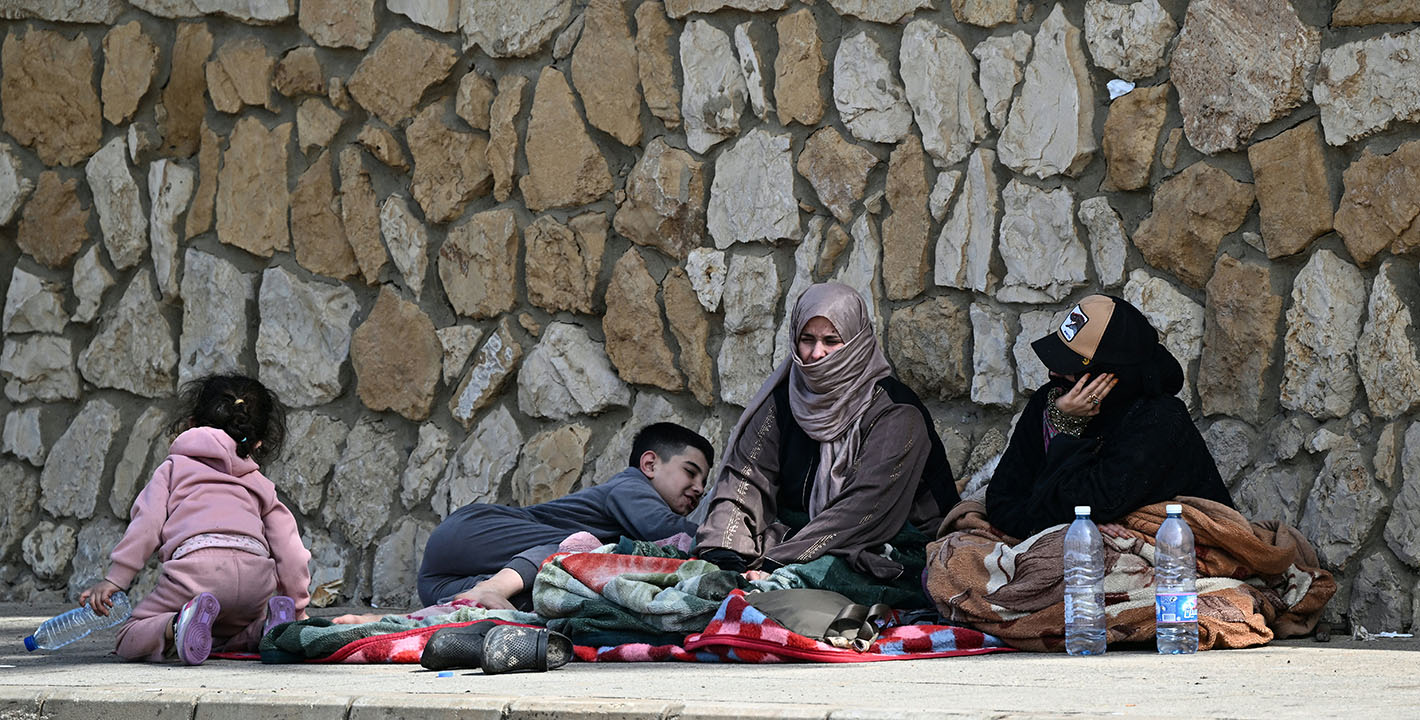
At heart, to impose unconditional surrender on Hezbollah and uproot the party among its coreligionists.

Yezid Sayigh
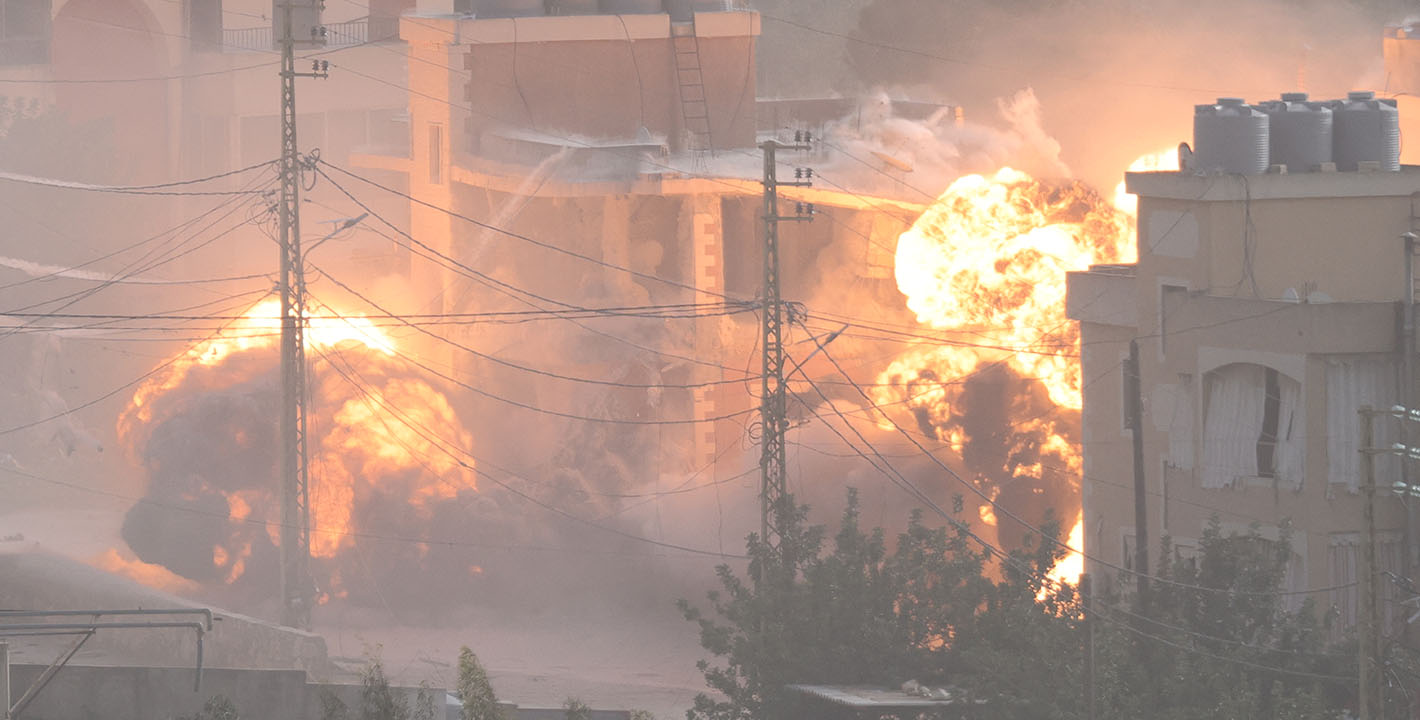
As Iran defends its interests in the region and its regime’s survival, it may push Hezbollah into the abyss.
Michael Young
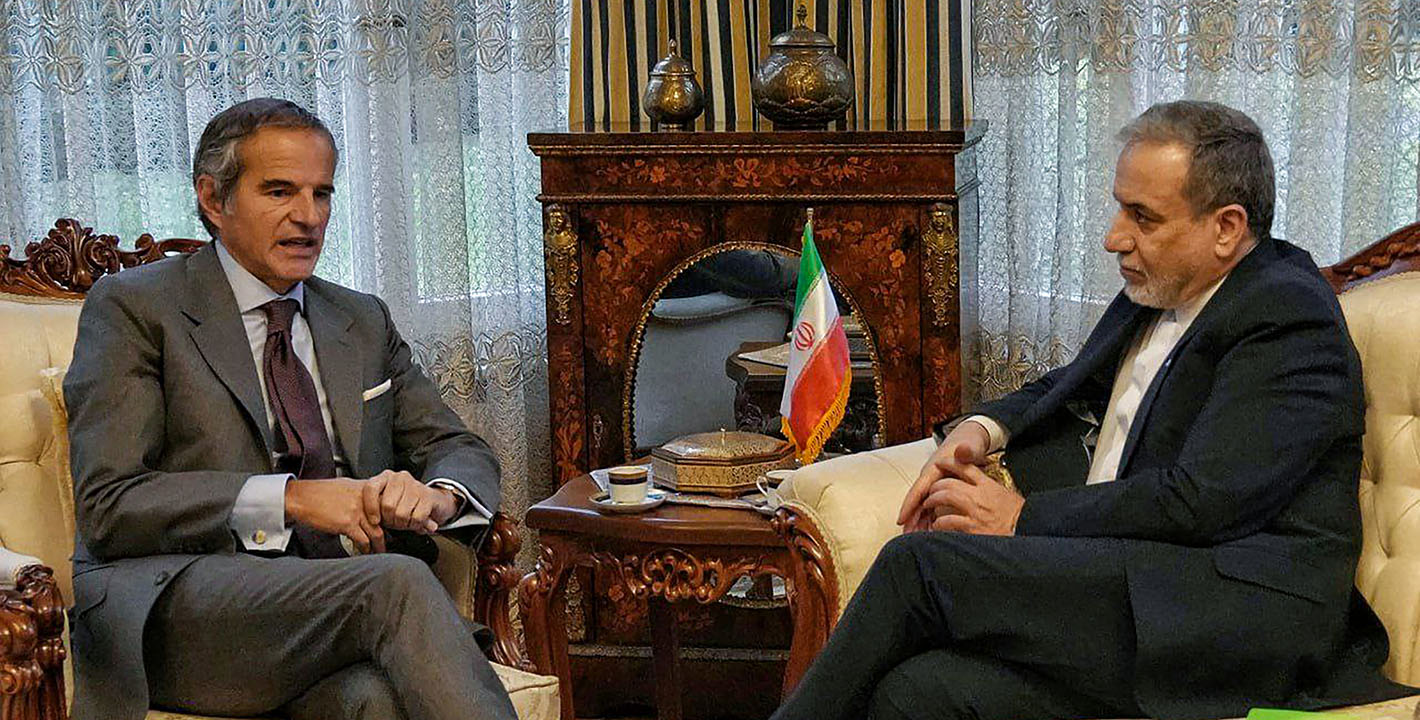
Because of this, the costs and risks of an attack merit far more public scrutiny than they are receiving.

Nicole Grajewski
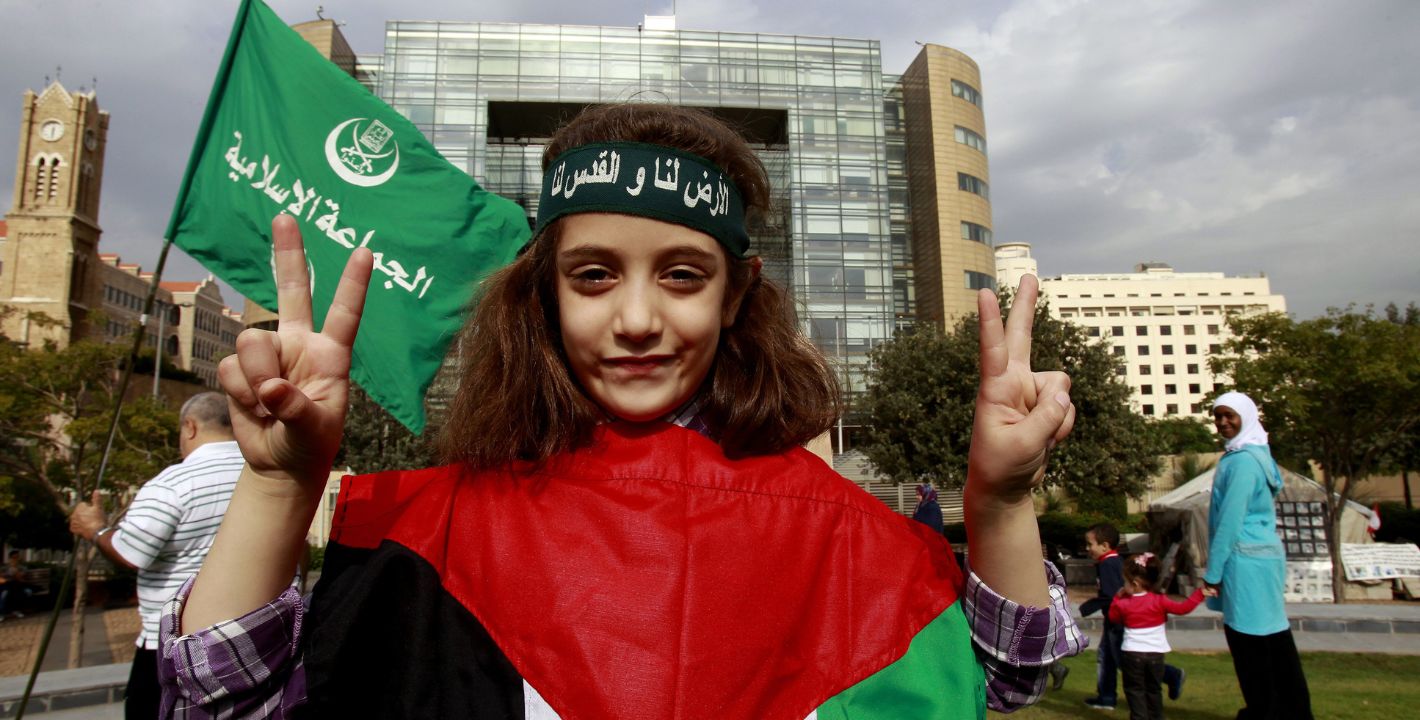
The organization is under U.S. sanctions, caught between a need to change and a refusal to do so.
Mohamad Fawaz

A coalition of states is seeking to avert a U.S. attack, and Israel is in the forefront of their mind.
Michael Young