

Commentary
Michael Young
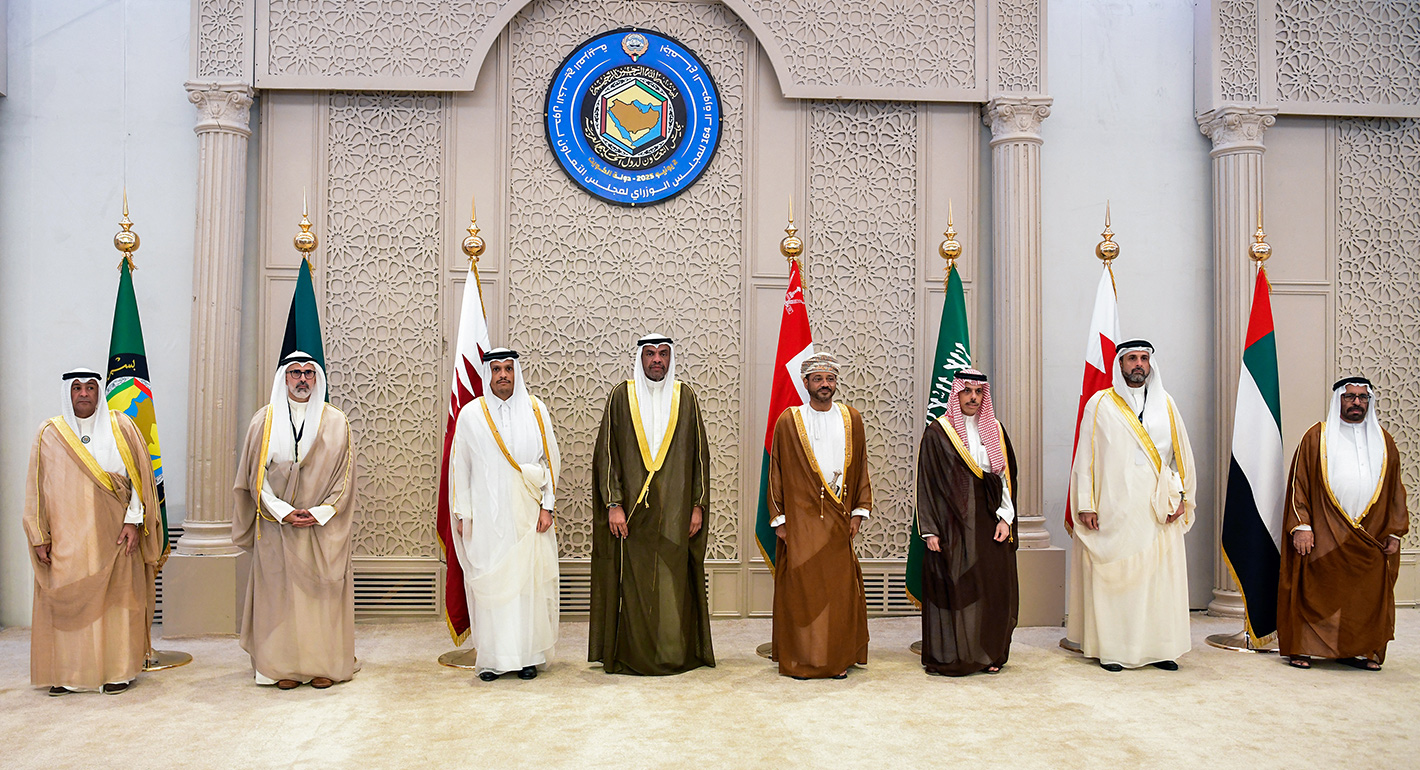

Hesham Alghannam
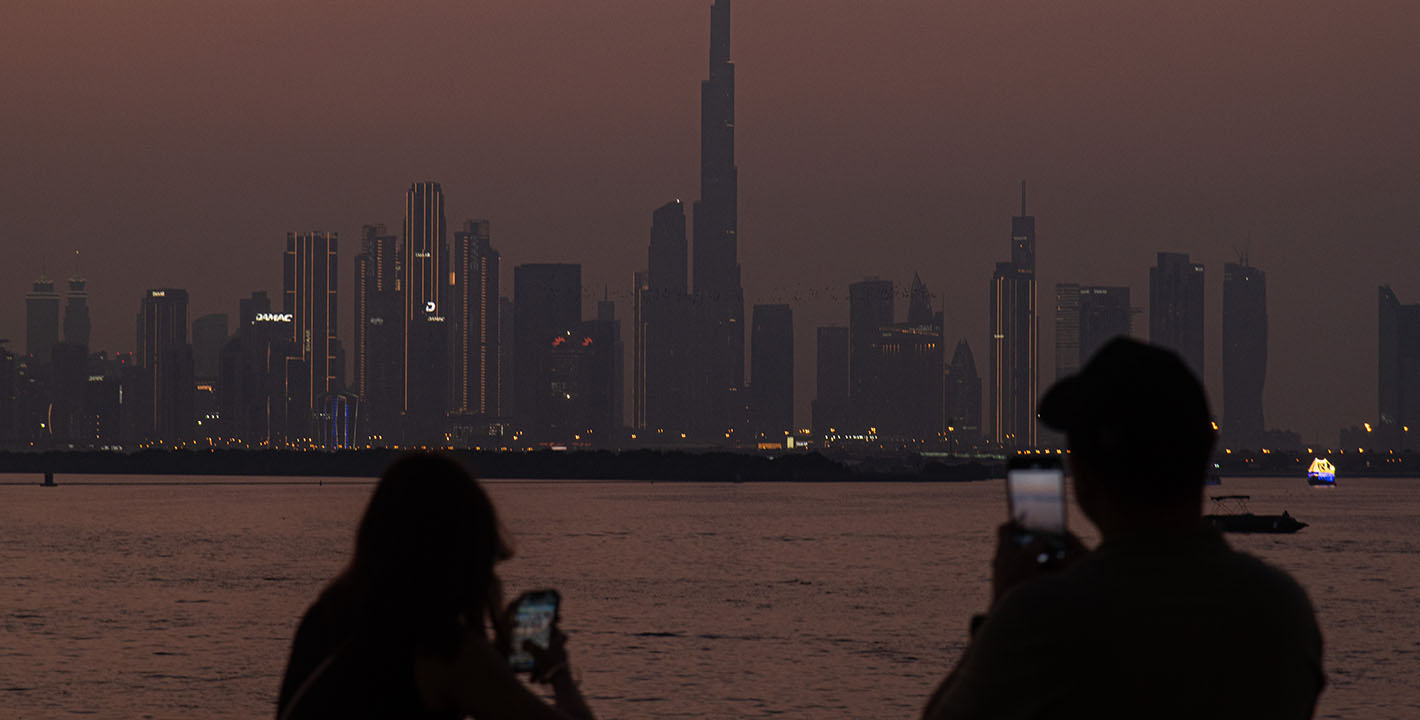
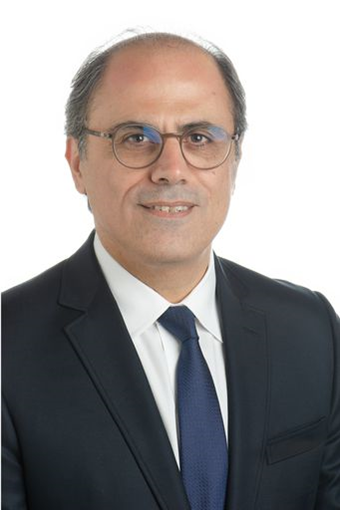
Jihad Azour
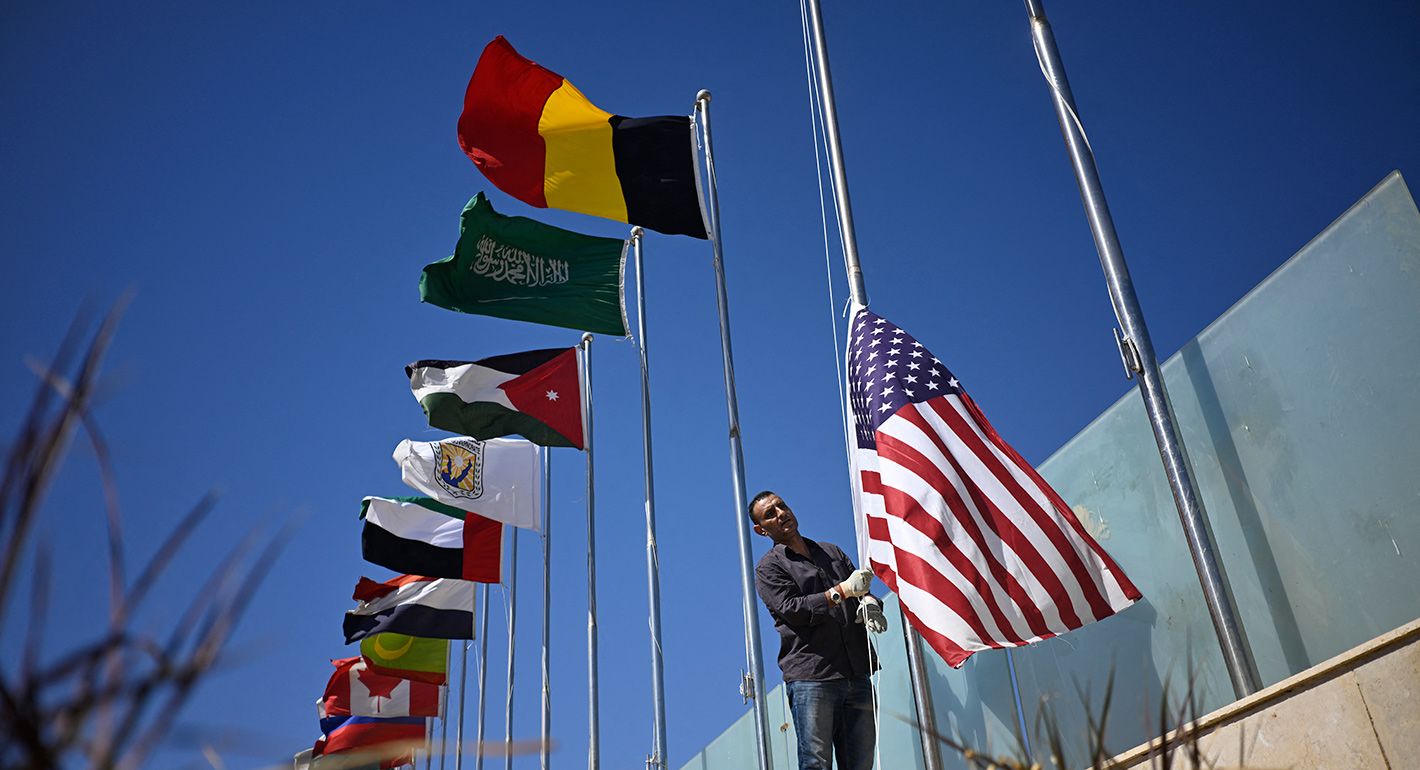
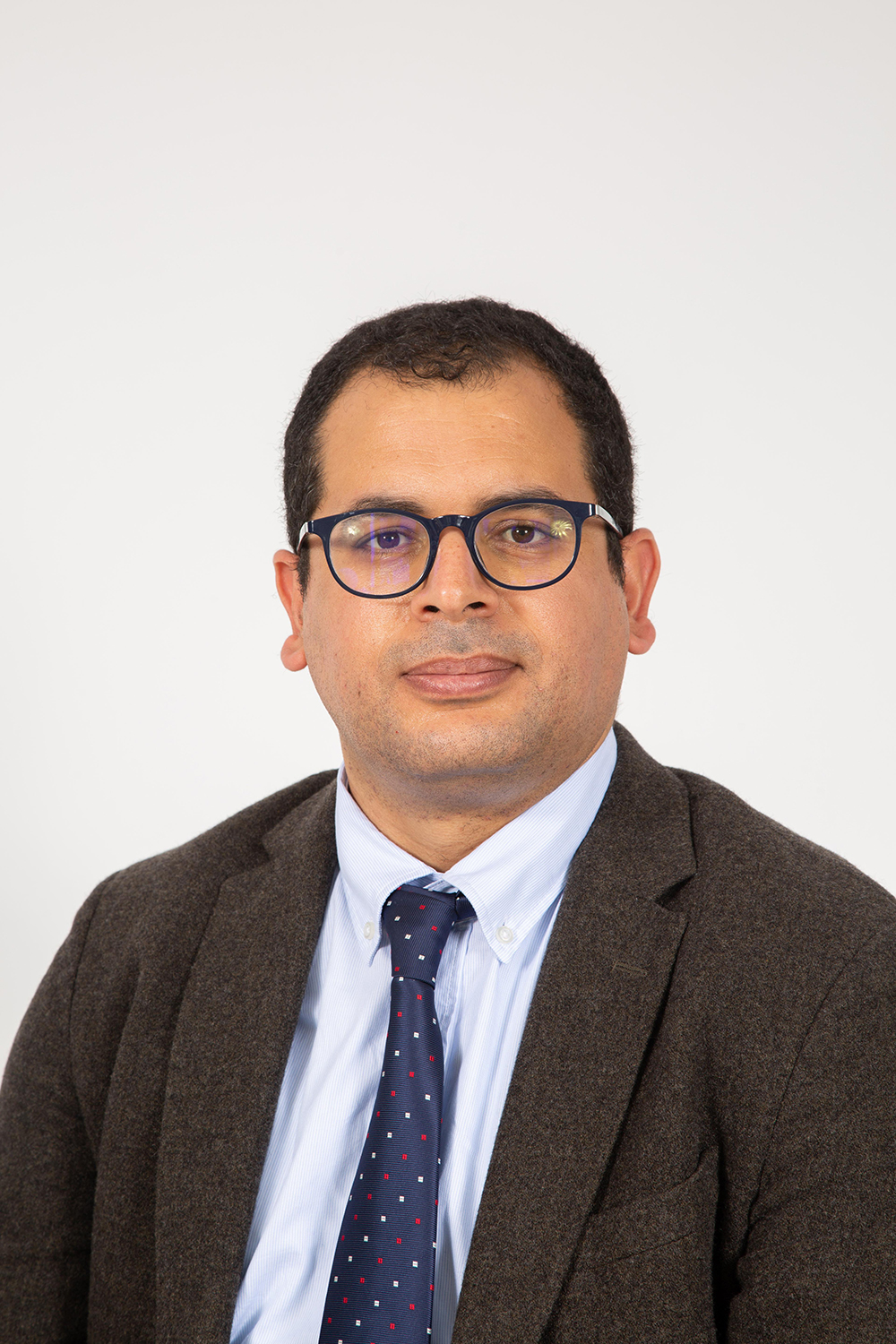
Hamza Meddeb, Mohamed Ali Adraoui


Michael Young

Yezid Sayigh

Marwan Muasher
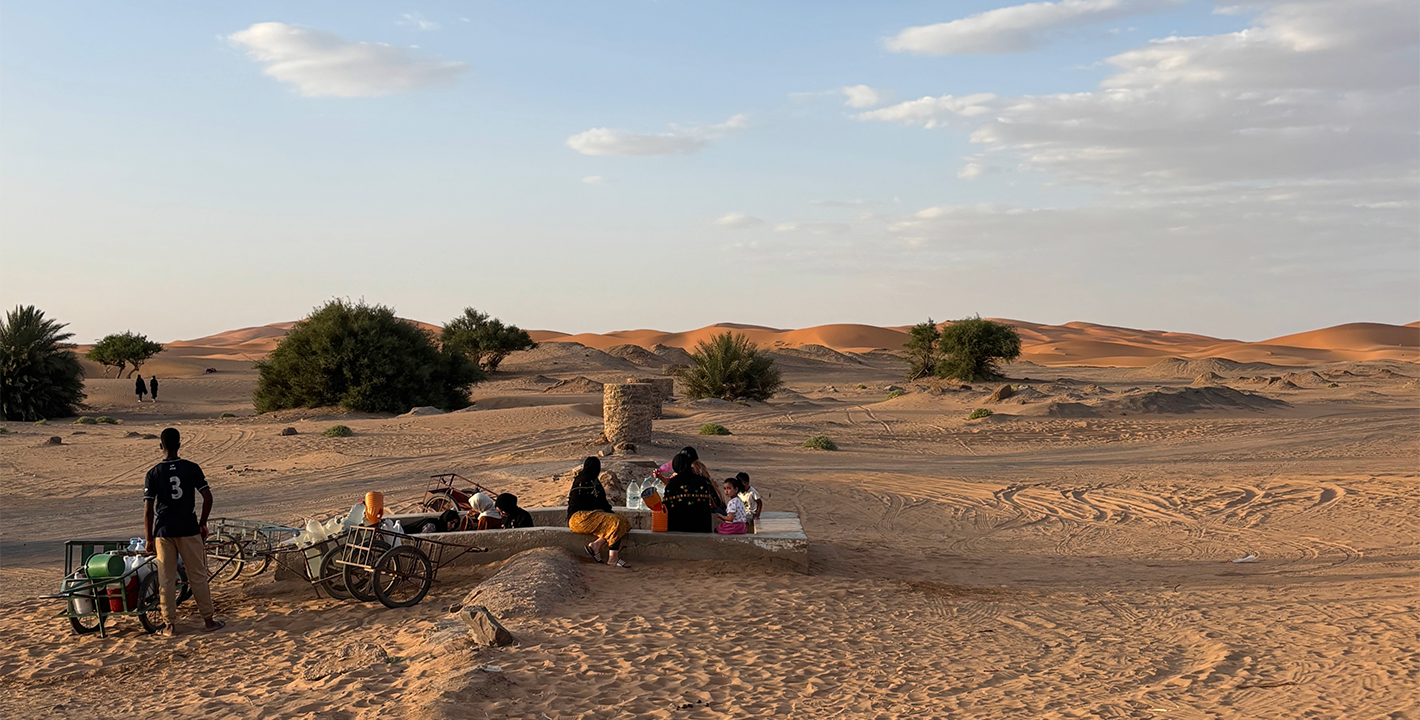

Yasmine Zarhloule, Ella Williams

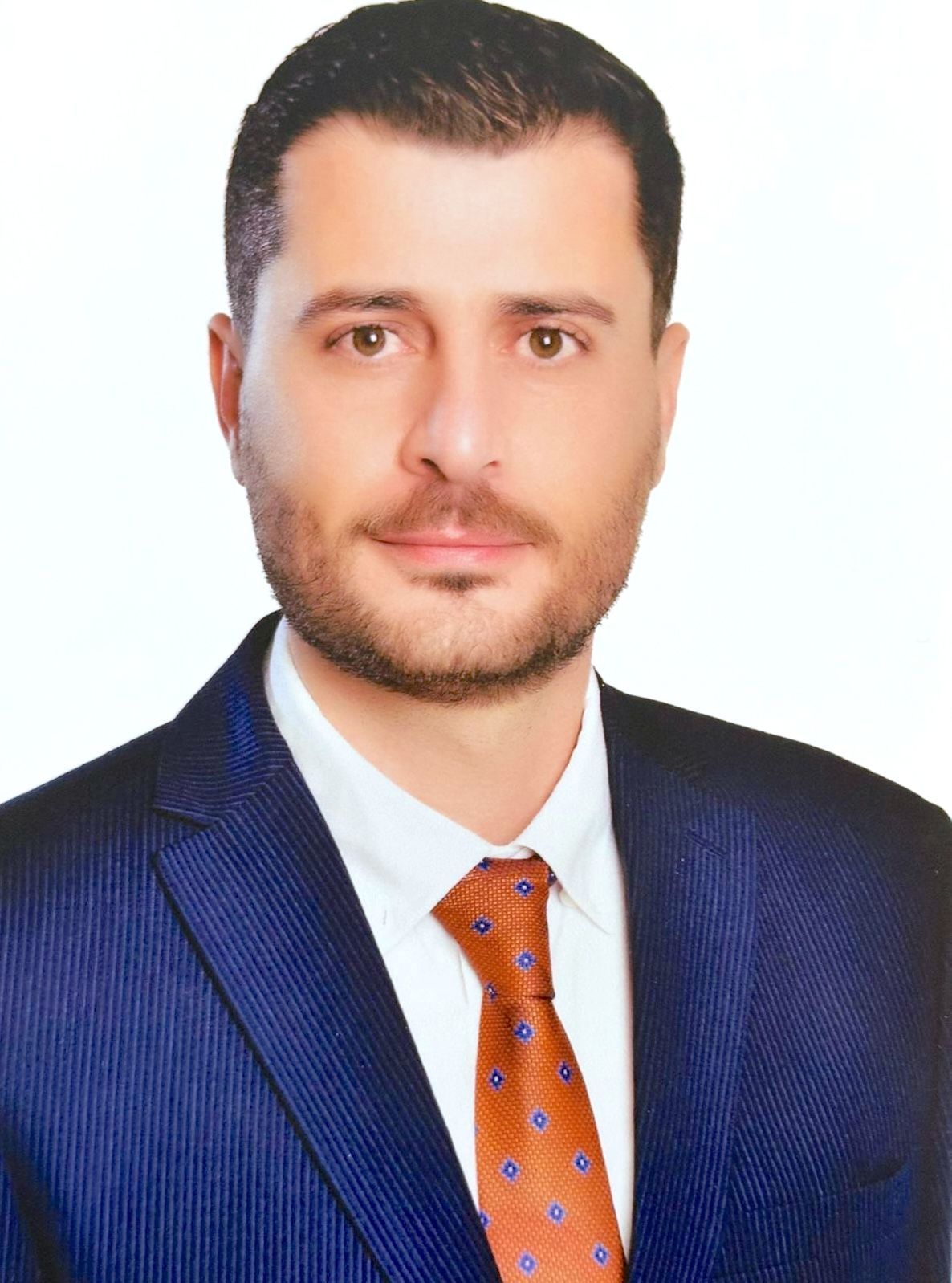
Armenak Tokmajyan, Laith Qerbaa
Yasmine Zarhloule, Ella Williams
About the Center
The Malcolm H. Kerr Carnegie Middle East Center draws on regional experts to provide in-depth analysis of political, socioeconomic, and security issues in the Middle East and North Africa. Founded in 2006, the Beirut-based center delivers on-the-ground research of the region’s challenges, examines long-term geopolitical trends, and proposes innovative policy options. As freedom of expression has become increasingly restricted in the wider Middle East, the center also creates a space for people across the region to convene and share diverse perspectives. The center works closely with the Middle East Program headquartered in Washington, DC.
Trending Topics and Regions
Our scholars generate strategic ideas and independent analysis to help inform countries, institutions, and leaders as they take on the most difficult global problems.
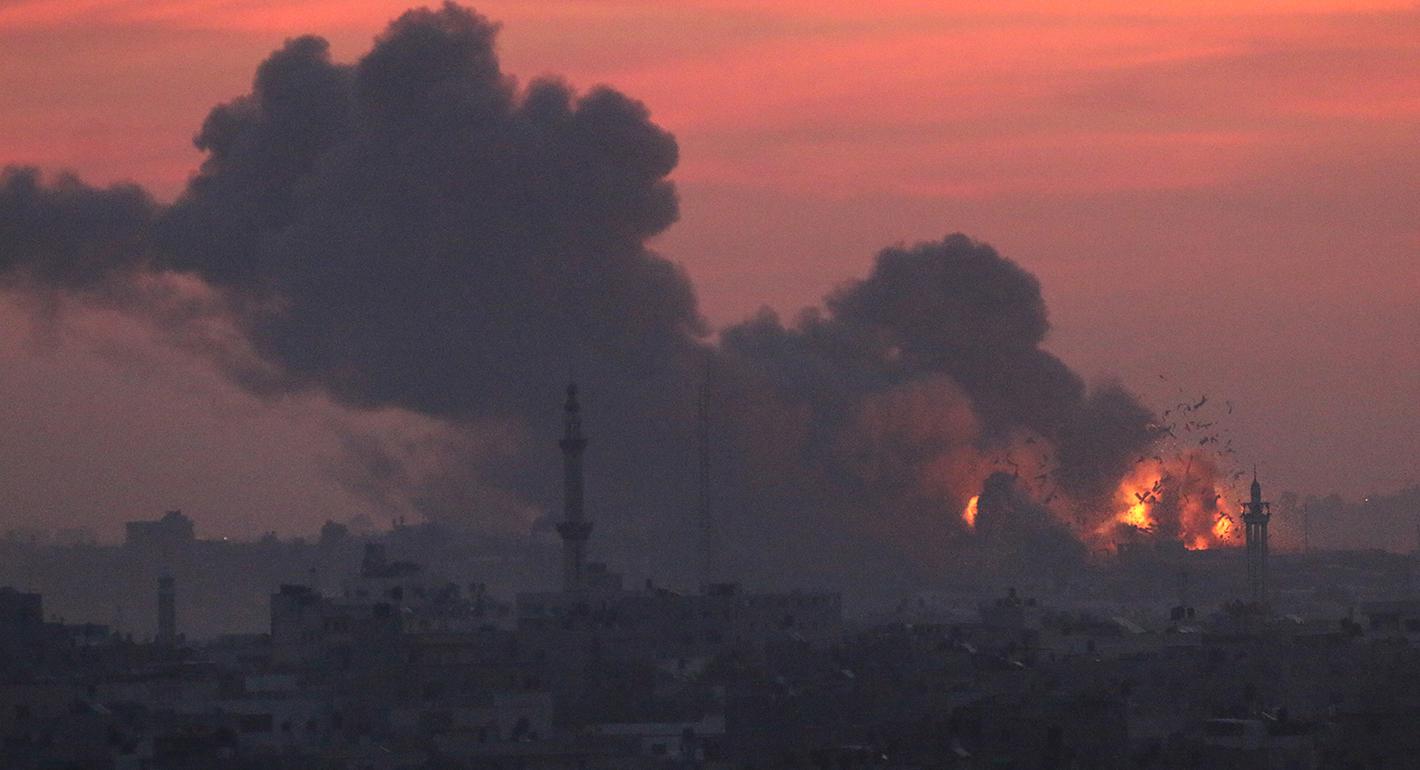



Maha Yahya, Rosa Balfour, Judy Dempsey, …
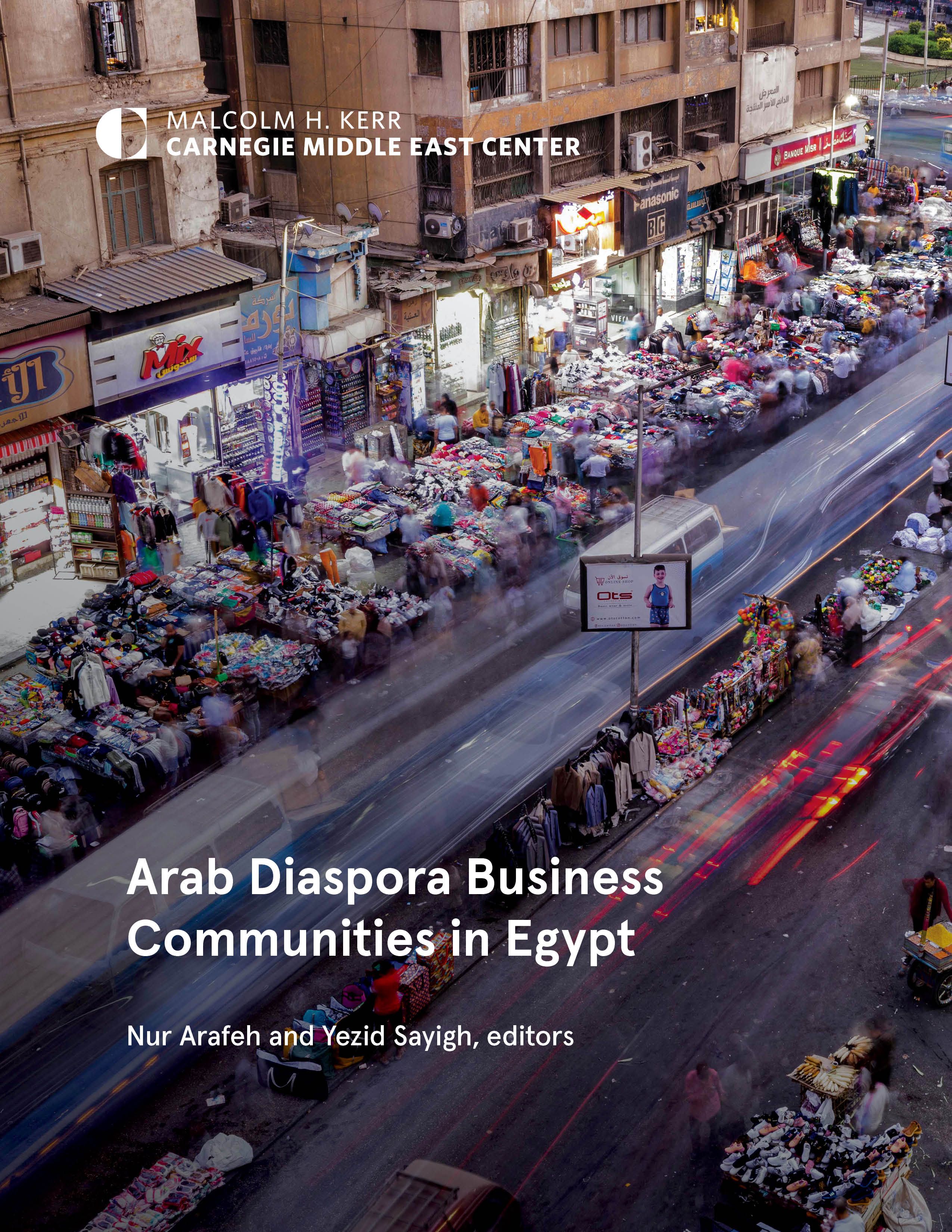
Nur Arafeh, Yezid Sayigh, Qaboul al-Absi, …
Lebanon is facing a series of simultaneous financial, economic, and political shocks. The country stands at a critical juncture, as hundreds of thousands of Lebanese have fallen under the poverty line in recent months. The protest movement that began in October 2019, following the previous government’s decision to raise taxes, is regaining momentum in spite of the lockdown from the coronavirus pandemic. The Carnegie Middle East Center will offer analyses of the multiple crises afflicting Lebanon, explaining their causes, characteristics, consequences, and potential solutions.
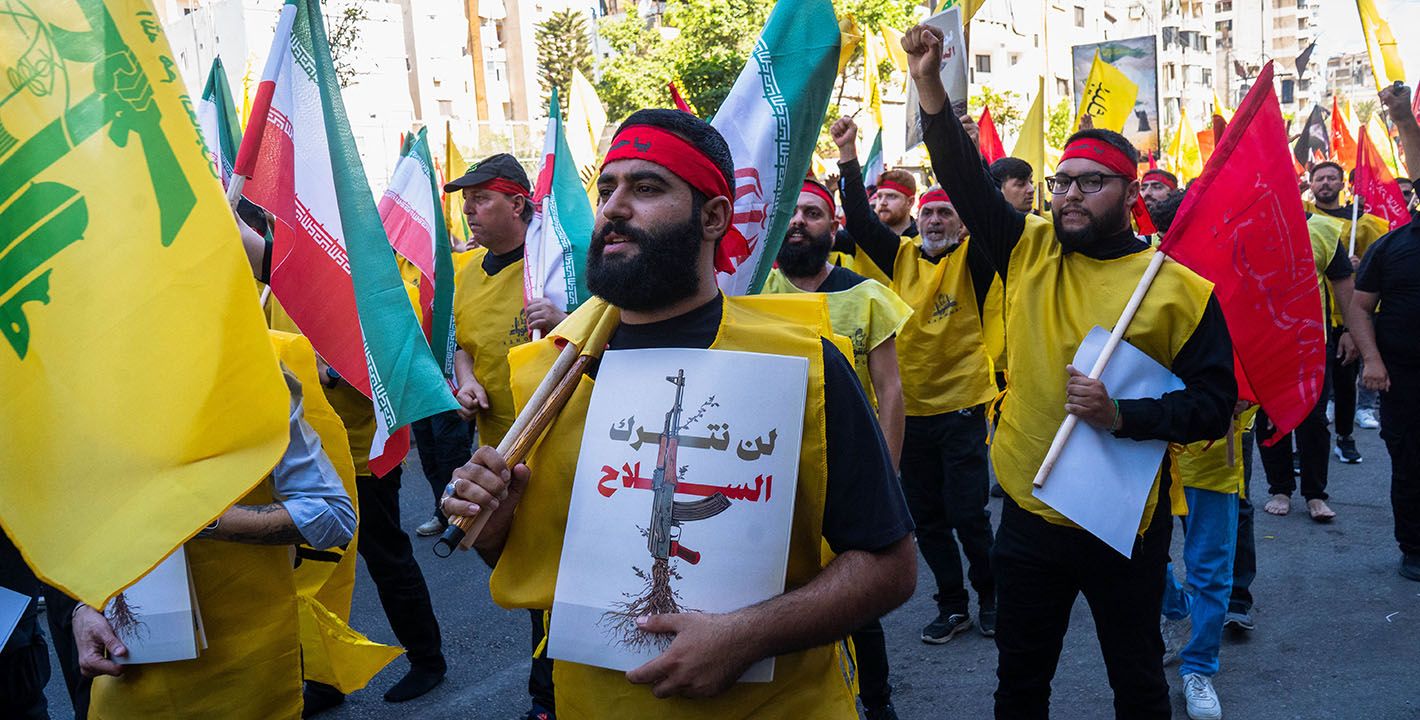
As the government falters over collecting the party’s weapons, a process of constitutional reform may be unavoidable.
Michael Young


Rudayna Al-Baalbaky, Mohanad Hage Ali, Sami Nader, …
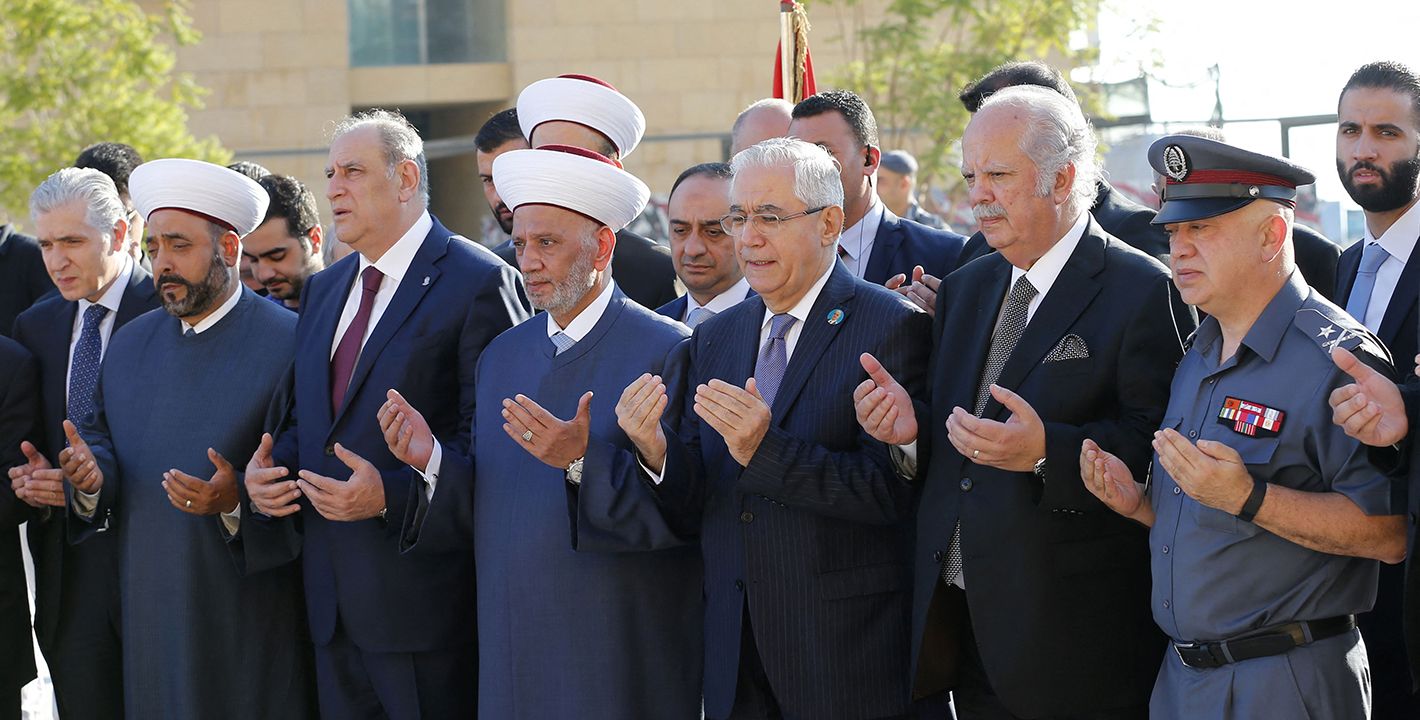
Former foes in the community are realigning, many rallying around Saudi Arabian sponsorship.
Mohamad Fawaz

Diwan, a blog from the Carnegie Endowment for International Peace’s Middle East Program and the Malcolm H. Kerr Carnegie Middle East Center, draws on Carnegie scholars to provide insight into and analysis of the region.
The conflict in Gaza shows no signs of ending, with possibly significant repercussions not only for Palestine but also for the broader Middle East. Carnegie scholars explore the continuing conflict.
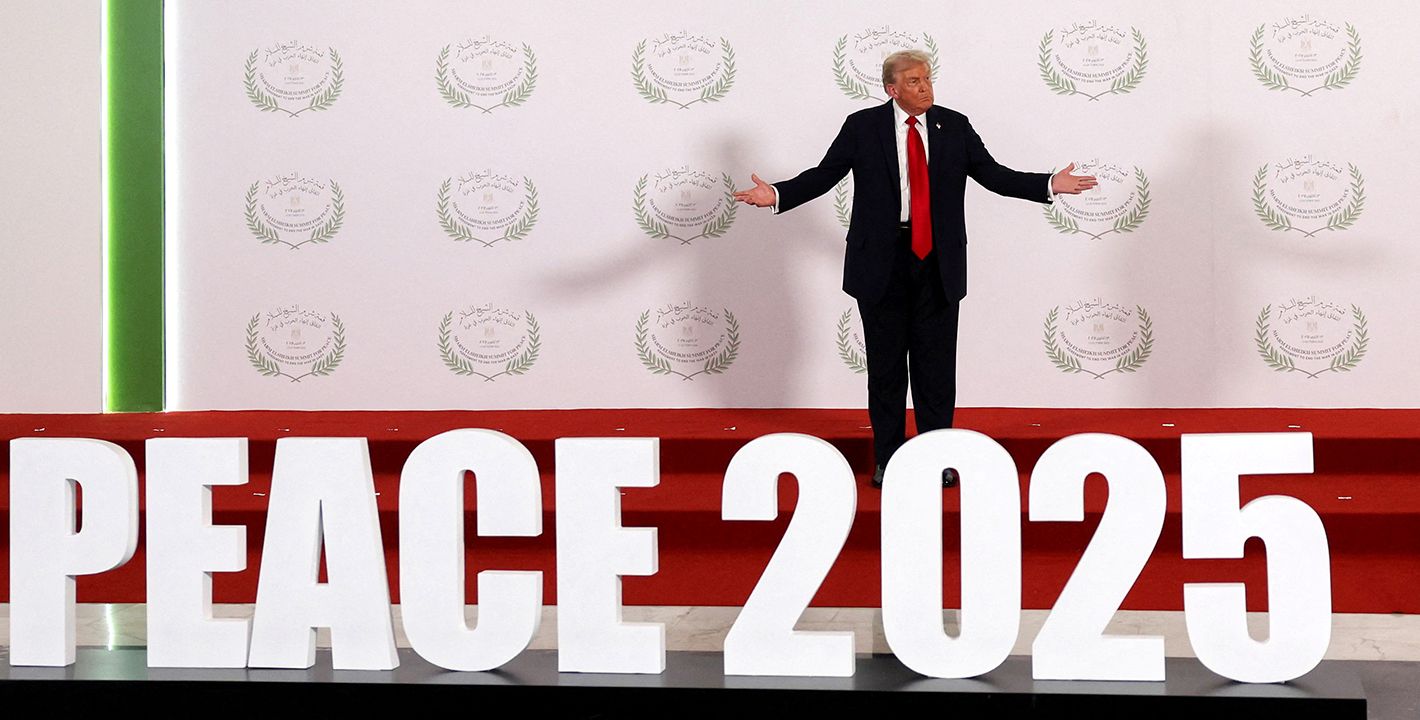
The ceremonies surrounding the apparent end of the Gaza war only concealed that very little was resolved.
Michael Young
Maha Yahya, Yezid Sayigh, Zaha Hassan, …
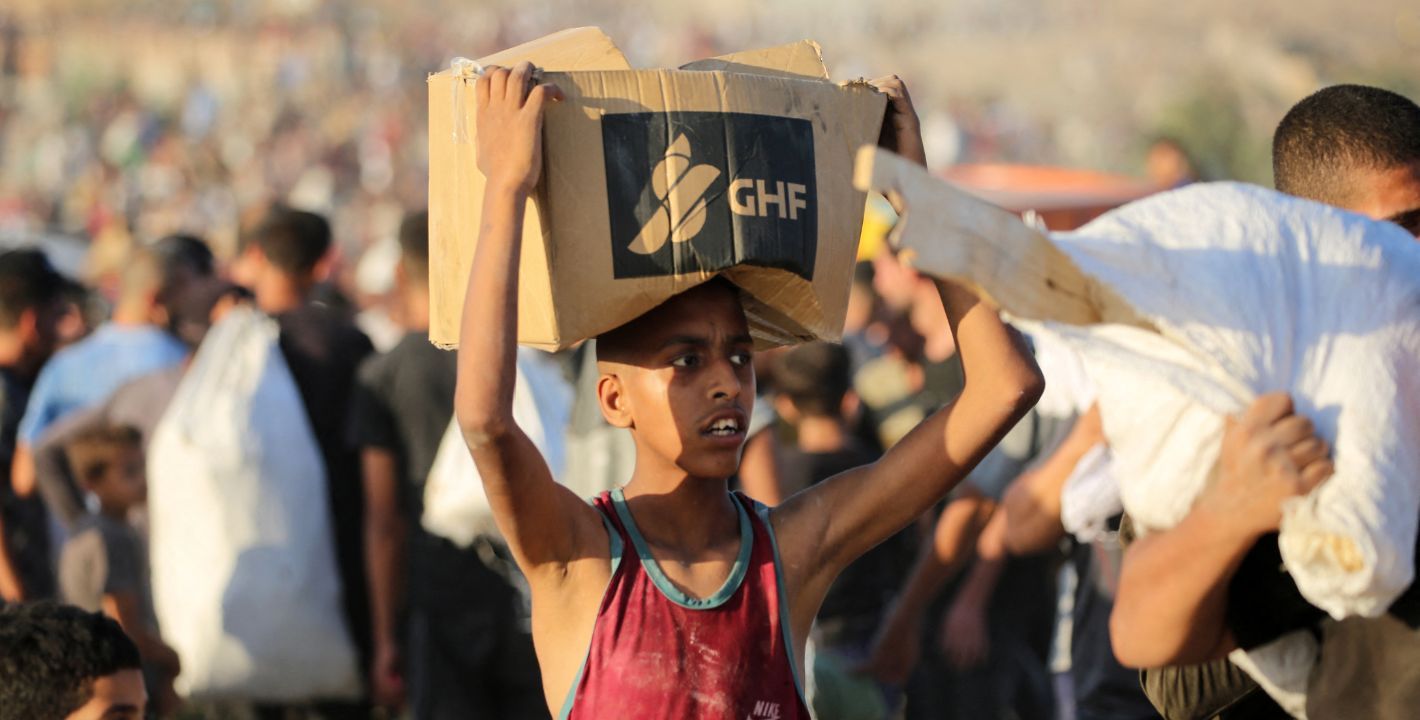
Several consulting and equity firms and non-profits were in on the Gaza aid plan, but they never should have been.
Yara Ibrahim
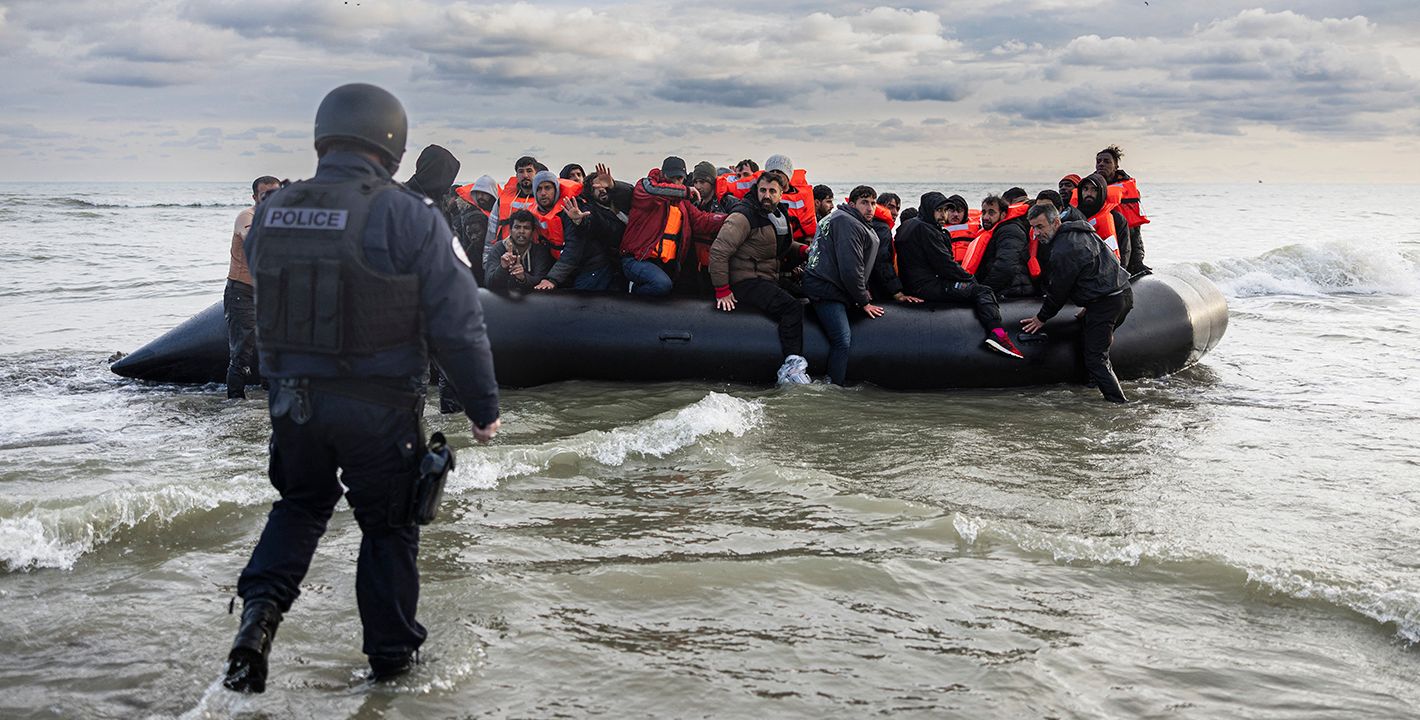
The EU has responded to unwanted arrivals with ever-stricter security measures, an approach that has both led to increased human rights violations and failed to stem the migratory tide.
Yasmine Zarhloule
In Asia, the Middle East, and Africa, conflict and instability endure in contested border regions where local tensions connect with regional and global dynamics. The Asia Foundation, the Rift Valley Institute, and the Carnegie Middle East Center are working together to better understand the causes and impacts of conflict in these border areas and their international dimensions, support more effective policymaking and development programming, and build the capacity of their local partners to leverage research to advocate for peaceful change.
After 54 years of Assad family rule, Syria has entered a new chapter in its history with the downfall of Bashar al-Assad’s regime. Nearly fourteen years after the start of the Syrian uprising in March 2011, this regime change has also had a profound impact on regional and international geopolitical dynamics. Carnegie scholars, building on years of research and analysis, will engage in a detailed exploration of Syria’s transition, specifically with regard to politics, security, and the economy. Our work will also examine how the country navigates its complex ethnic and sectarian landscape and adapts to shifts in the regional balance of power.
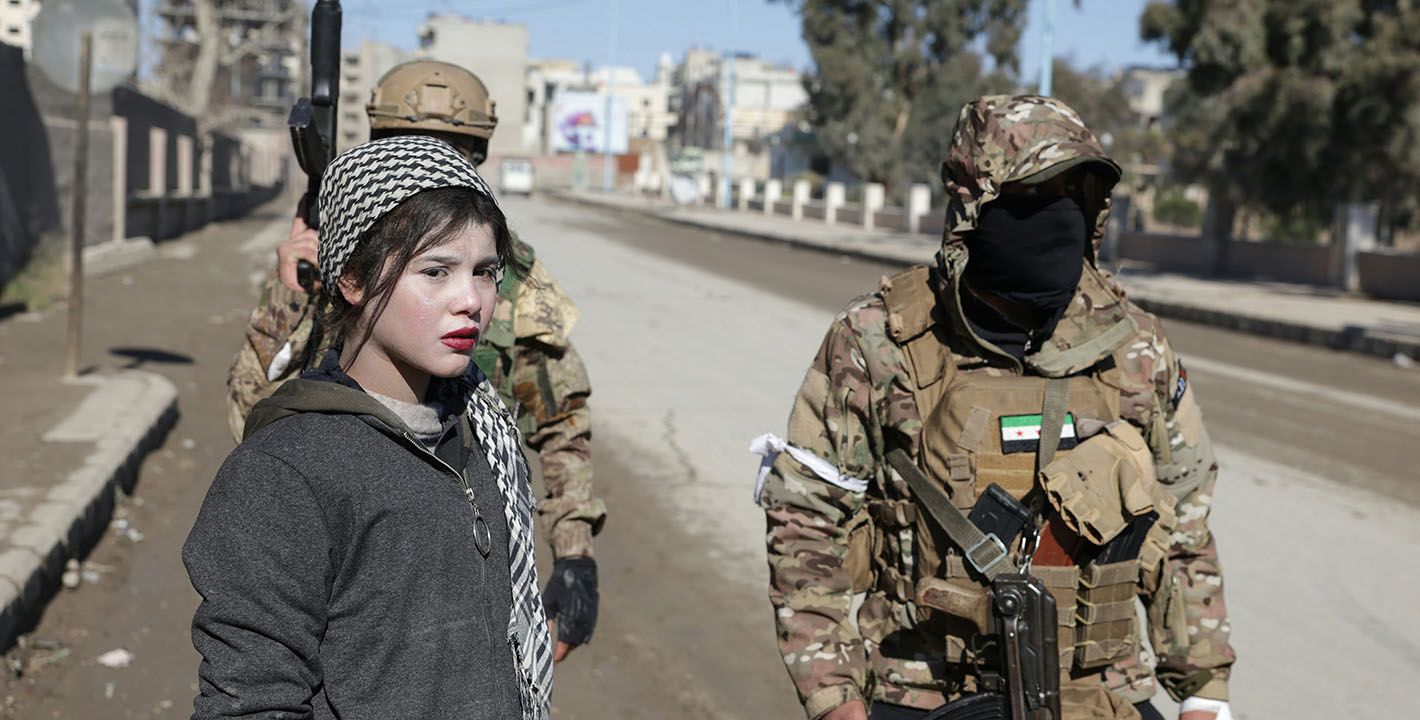
The government’s gains in the northwest will have an echo nationally, but will they alter Israeli calculations?
Armenak Tokmajyan
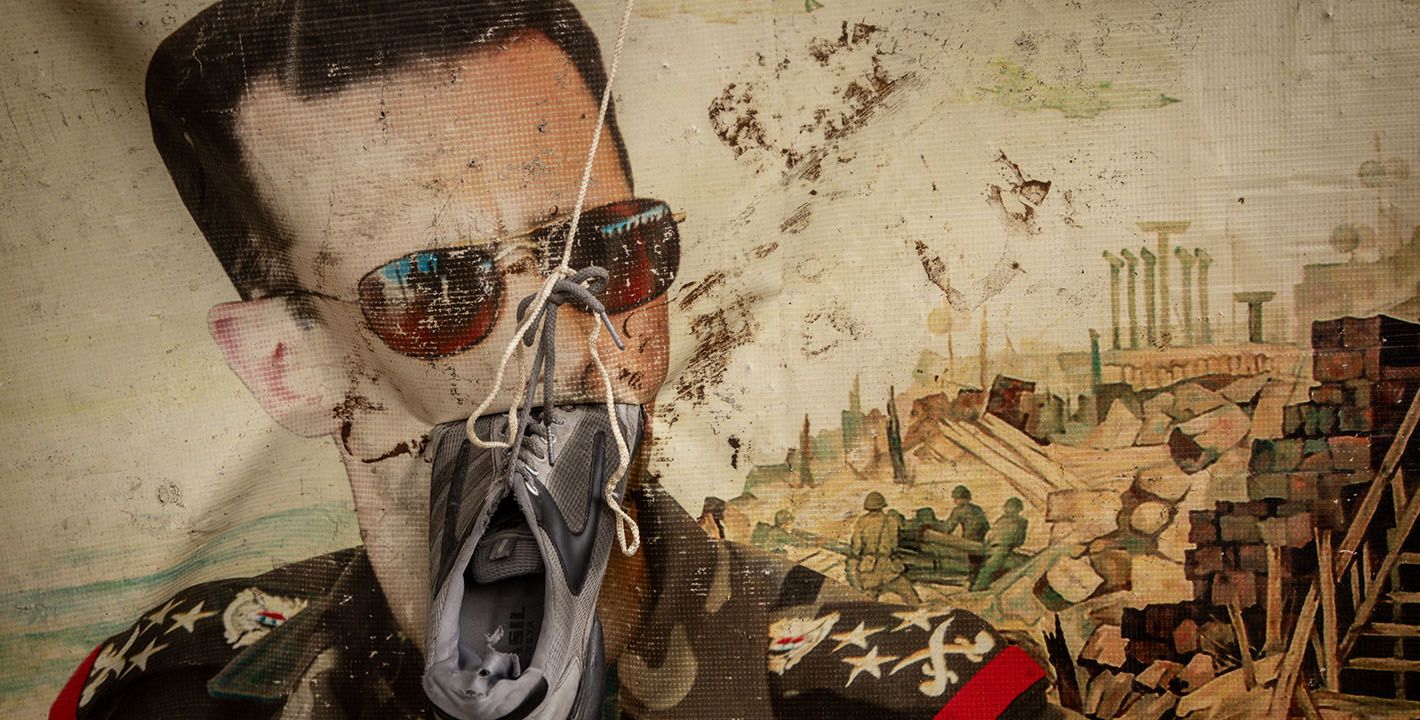
A regular survey of experts on matters relating to Middle Eastern and North African politics and security.
Michael Young
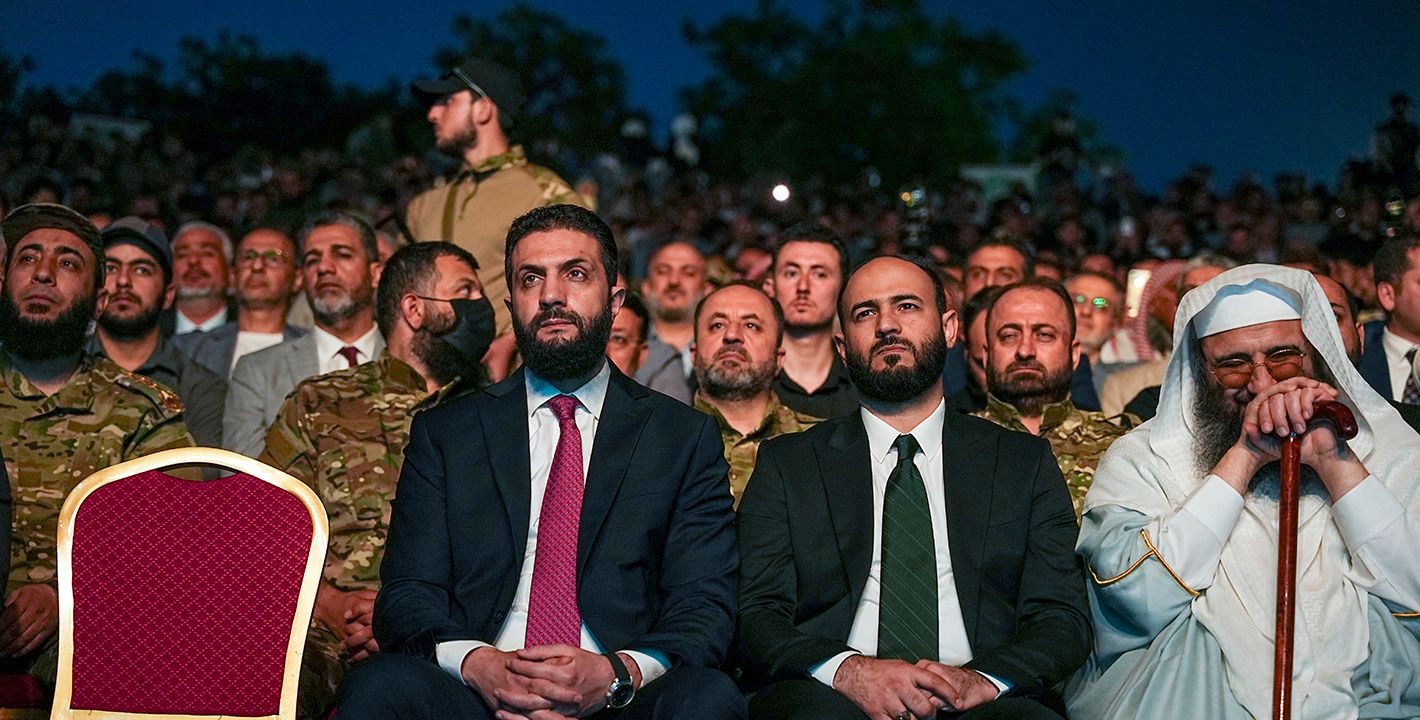
In an interview, Haddon Barth discusses his doubts about the Syrian regime’s approach to national reconstruction.
Michael Young
Carnegie has a global network of more than 200 experts from diverse disciplines and perspectives who work together across borders to expand cooperation and understanding.
Director, Malcolm H. Kerr Carnegie Middle East Center
Senior Fellow, Malcolm H. Kerr Carnegie Middle East Center
Fellow, Malcolm H. Kerr Carnegie Middle East Center