

Q&A
Stephen Tankel
{
  "authors": [
    "Stephen Tankel"
  ],
  "type": "legacyinthemedia",
  "centerAffiliationAll": "dc",
  "centers": [
    "Carnegie Endowment for International Peace"
  ],
  "collections": [],
  "englishNewsletterAll": "ctw",
  "nonEnglishNewsletterAll": "",
  "primaryCenter": "Carnegie Endowment for International Peace",
  "programAffiliation": "SAP",
  "programs": [
    "South Asia"
  ],
  "projects": [],
  "regions": [
    "South Asia",
    "Afghanistan",
    "Pakistan"
  ],
  "topics": [
    "Security",
    "Military"
  ]
}
Source: Getty
While Pakistan may be using the Afghan insurgency in order to improve its own strategic position in Afghanistan, it remains unclear how much direct control it exerts over insurgent groups like the Haqqani network.
Source: C-SPAN's Washington Journal
Speaking on C-SPAN’s Washington Journal, Carnegie’s Stephen Tankel examined the complicated relationship between the Haqqani network, Pakistan’s intelligence service (ISI), and Pakistan's overall strategy in Afghanistan. He argued that the Haqqani network is the most lethal insurgent group within Afghanistan, a status it maintains in part through its reliance on Pakistan as a safe haven. He noted, however, that U.S. Admiral Mike Mullen's assertion that the Haqqani network was a "veritable arm" of the ISI is subject to some doubt, as the exact level of Pakistan’s control of the group is unclear. Ultimately, however, Tankel argued that there is little doubt that Pakistan has used the Taliban in order to improve its own strategic position in Afghanistan.
Former Nonresident Scholar, South Asia Program
Tankel was a nonresident scholar at the Carnegie Endowment, where his research focuses on insurgency, terrorism, and the evolution of nonstate armed groups.
Recent Work
Stephen Tankel
Stephen Tankel
Carnegie does not take institutional positions on public policy issues; the views represented herein are those of the author(s) and do not necessarily reflect the views of Carnegie, its staff, or its trustees.

The United States ignores the region’s lived experience—and the tough political and social trade-offs the war has produced—at its peril.

Evan A. Feigenbaum
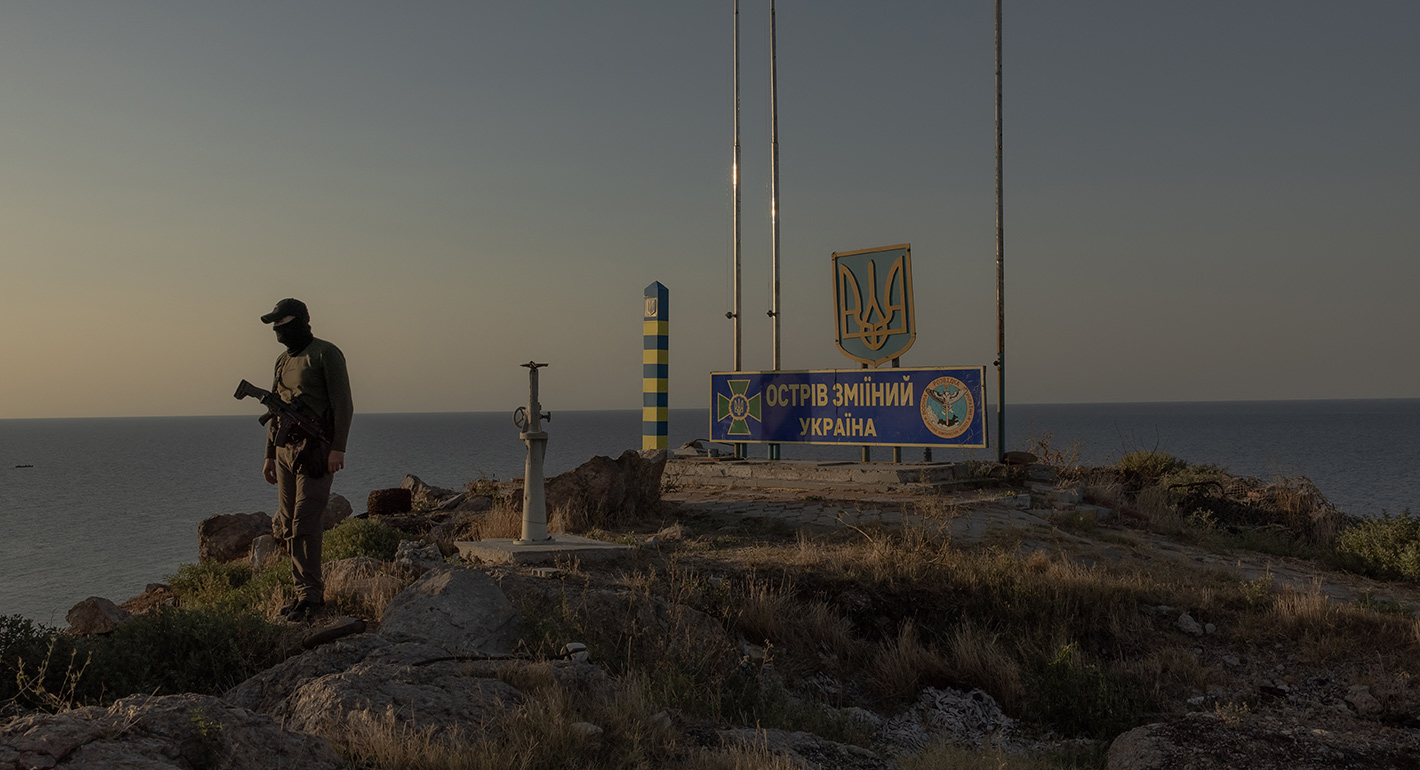
Ukraine’s asymmetric approach has rendered Russia’s Black Sea Fleet functionally useless. But a long-term commitment will be needed to maintain this balance of power.
Alina Frolova, Stepan Yakymiak
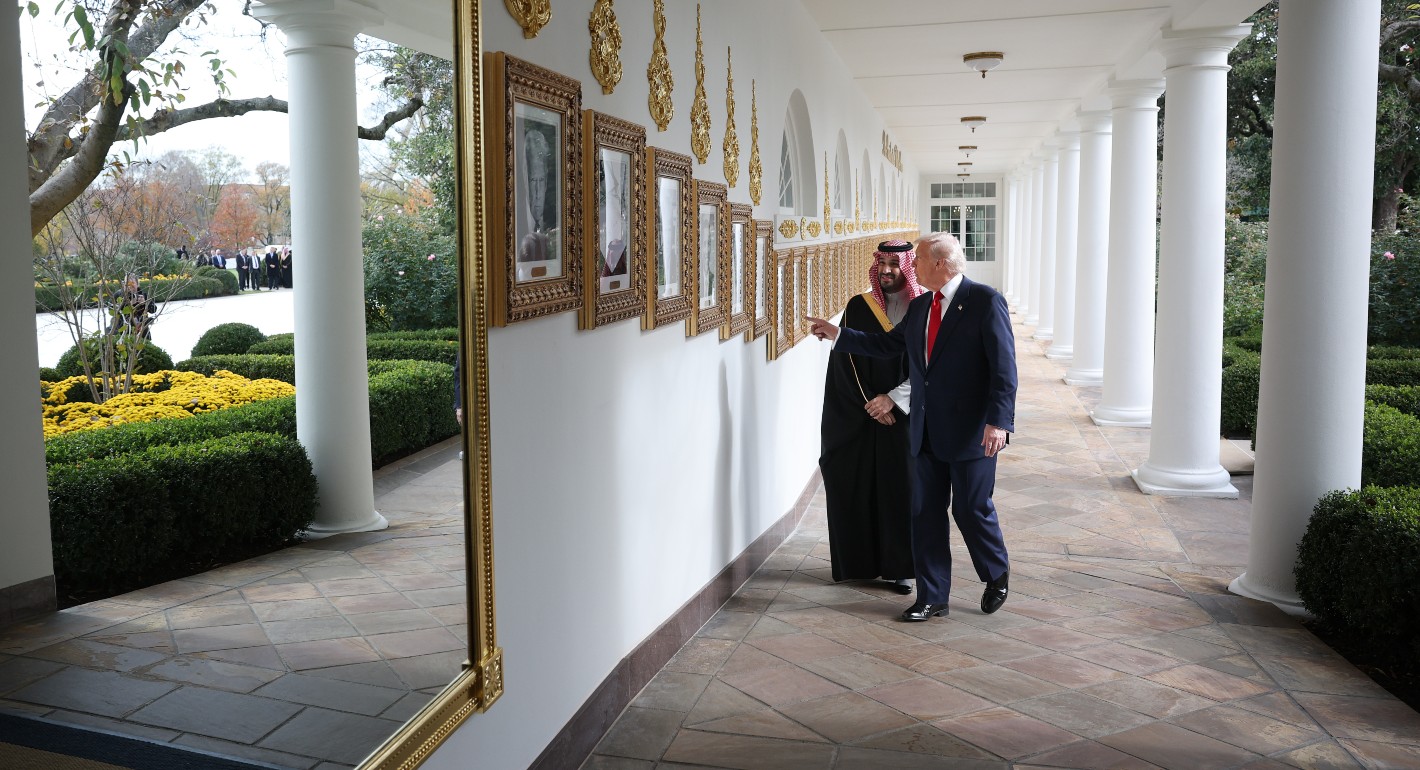
Neither the Abraham Accords nor the presence of large U.S. bases are enough to protect Arab Gulf states.

Marwan Muasher
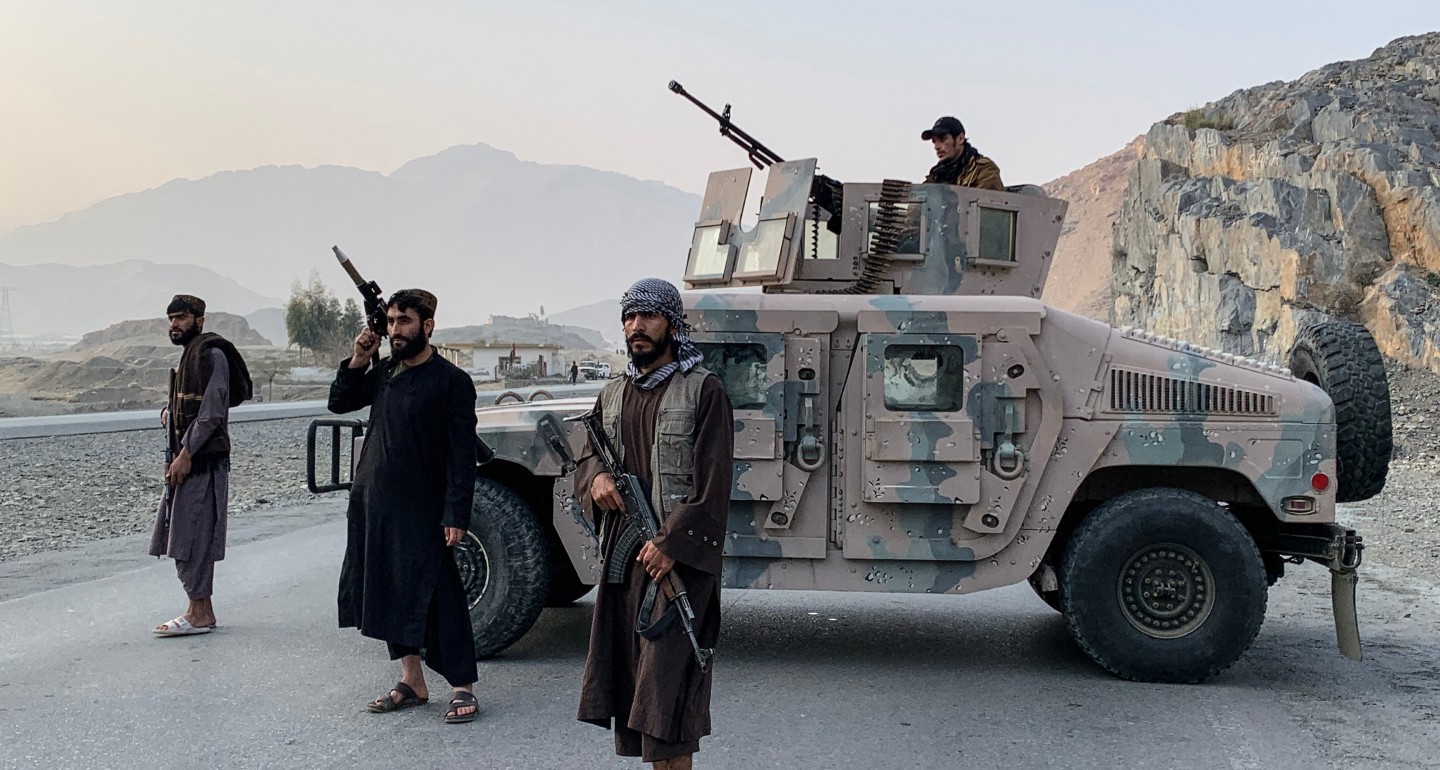
Not only does the fighting jeopardize regional security, it undermines Russian attempts to promote alternatives to the Western-dominated world order.

Ruslan Suleymanov
The incoming government has swept Nepal’s election. The real work begins now.
Amish Raj Mulmi