


• Research
  • Emissary
  • About
  • Experts
Carnegie Global logoCarnegie lettermark logo
Democracy
  • Donate

Who We Are

  • Overview
  • Our Story

Our Mission

The Carnegie Endowment for International Peace generates strategic ideas and independent analysis, supports diplomacy, and trains the next generation of scholar-practitioners to help countries and institutions take on the most difficult global problems and advance peace.

Carnegie Building

Our Story

In 1910, the Carnegie Endowment for International Peace was founded as a new institution that would promote international cooperation by advancing knowledge and building relationships around the world.

Since then, the Carnegie Endowment has empowered generations of world-class policy experts producing research and actionable ideas to help address the world’s most challenging problems.

Read Our Story

Our Priorities

Geopolitical Disruption

Geopolitical Disruption

Carnegie provides sophisticated analysis of global and regional economic, security, and political forces fueling competition, opportunity, and conflict at a moment of major geopolitical change.

Rise of Developing Regions

Rise of Developing Regions

With a global lens rooted in regional analysis and functional expertise, Carnegie looks beyond mature industrial economies to fast-evolving regions and rising powers, providing new perspectives on the changing world.

Governance and technology

Governance and Technology

Changing institutions, emerging technologies, democratic backsliding, and a shifting world order bring unprecedented global challenges and opportunities. Carnegie’s long-term interdisciplinary expertise provides unique insights to help governments, industry, and thought leaders understand and tackle new technology and governance challenges.

Our People

Our Leadership

Under the leadership of President Mariano-Florentino (Tino) Cuéllar, Carnegie’s centers and programs are managed by leaders with deep knowledge and experience in international affairs.

See our leadership team

Our Experts

With over 170 experts from diverse disciplines, regions, and perspectives, we generate strategic ideas and independent analysis on the most difficult global challenges.

See our experts

Our Board

Chaired by Jane D. Hartley, the Carnegie Endowment’s Board of Trustees includes business and finance leaders, former diplomats, philanthropists, and entrepreneurs who each bring unique regional and subject matter expertise. 

See our Board of Trustees

Our Global Presence

As a uniquely global think tank, Carnegie leverages its 170 experts throughout the world to better understand the threats and opportunities affecting global security and well-being. In addition to its offices in Washington, DC and California, Carnegie has global centers in Beirut, Berlin, Brussels, East Asia, and New Delhi.

Our global presence helps root Carnegie’s analysis in deep regional expertise and on-the-ground context that provides the nuance required to take on the most challenging problems. Learn more about our work and centers across the globe.

Carnegie China

Carnegie China is an East Asia-based research center focused on China’s regional and global role. Our scholars conduct research and analysis, and convene an array of activities with and in China, to cast a critical eye on the country’s strategic and economic trajectory. The center especially highlights Southeast Asian perspectives.

Read More

Carnegie Europe

Established in 2007, Carnegie Europe continues to be a trusted source on European foreign and security policy. Through its diverse network of international scholars, Carnegie Europe provides independent and relevant research and recommendations on a wide range of thematic areas at the core of international and European affairs including decoding the integration path of the European Union, European democratic reform, the domestic and global challenges of climate change policy, Europe’s international relationships, and the potential regeneration of transatlantic relations.

Read More

Carnegie India

Founded in April 2016, Carnegie India has already captured the attention of policymakers in India and around the world. Led and staffed by Indian experts, the center is building on decades of Carnegie research and has a growing network of contributors across South Asia. Its work concentrates on the political economy of reform in India, the country’s foreign and security policy challenges, and the role of technological innovation in India’s internal transformation and international relations.

Read More

Carnegie Middle East Center

Founded in 2006, the Malcolm H. Kerr Carnegie Middle East Center in Beirut stands out in the region for its deep research and thoughtful, nonpartisan dialogue. The center’s scholars come from across the region, including Algeria, Egypt, Iraq, Lebanon, Palestine, Syria, and Yemen. With the Arab world under-going unprecedented change, the center examines both the internal and cross-border political, economic, and ideological challenges facing the region and the role of world powers in bringing stability.

Read More

Carnegie Russia Eurasia

The Carnegie Russia Eurasia Center in Berlin, Germany is home to the world’s leading experts on Russia and the wider region. The center’s scholars and digital media platform, Carnegie Politika, deliver independent analysis and strategic insight that are not available anywhere else. The Carnegie Russia Eurasia Center focuses on major policy challenges across the entire region in the wake of Russia’s unprovoked invasion of Ukraine.

Read More
Collection

Carnegie Research

Our experts generate strategic ideas, independent analysis, and support diplomacy to help countries, institutions, and leaders as they take on the most difficult global problems.

See Our Research
Report
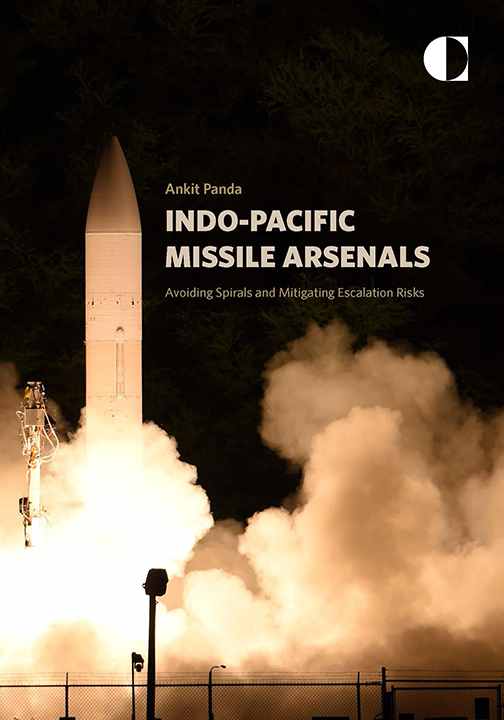
Indo-Pacific Missile Arsenals: Avoiding Spirals and Mitigating Escalation Risks

As countries in the Indo-Pacific region expand their missile inventories, security dilemmas related to North Korea and the Taiwan Strait grow more complex and the risks of nuclear escalation increase. The United States and its Asian allies must recognize these risks and act quickly to mitigate them.

    Ankit Panda

Report
Striking Asymmetries: Nuclear Transitions in Southern Asia

The competitive and often antagonistic relationships among China, India, and Pakistan have roots that predate their possession of nuclear weaponry. Yet the significant transformation of the nuclear capabilities that is now underway in all three countries simultaneously complicates and mitigates their geopolitical rivalries.

    Ashley J. Tellis

Report
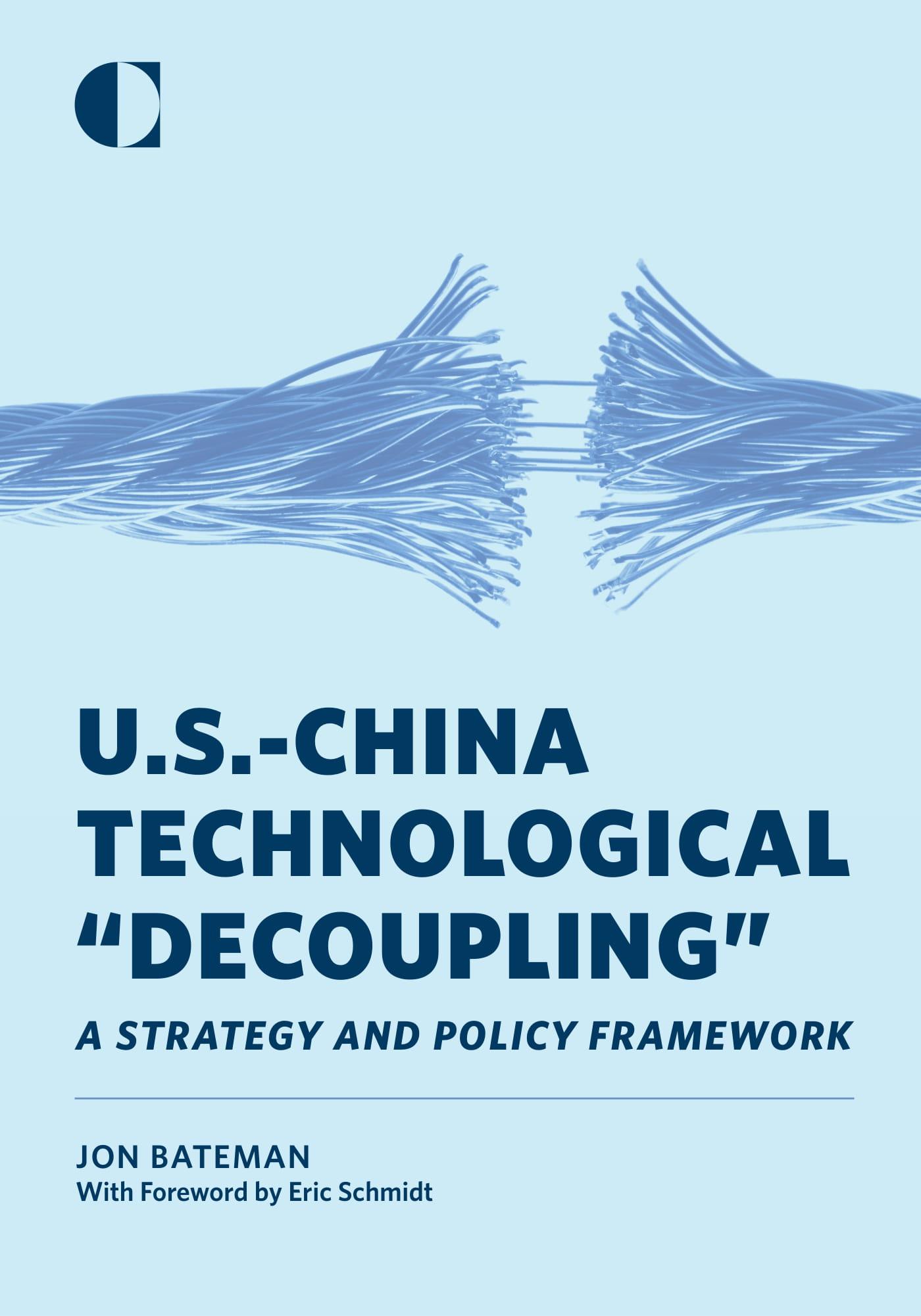
U.S.-China Technological “Decoupling”: A Strategy and Policy Framework

A partial “decoupling” of U.S. and Chinese technology ecosystems is well underway. Without a clear strategy, Washington risks doing too little or—more likely—too much to curb technological interdependence.

    • Jon Bateman

    Jon Bateman

Support Carnegie

As challenges grow and emerge, our work increasingly relies on the generosity and support of like-minded individuals and organizations. Carnegie is a 501c(3) non-profit organization that remains wholly independent and committed to transparency. Carnegie’s research reflects the view of the authors alone and does not take policy positions on behalf of the organization.

Learn More About Ways to GiveGive TodayCarnegie Annual Report
Additional Resources
  • 2023 Financial Report
  • Form 990
  • Carnegie Library
  • Programs
Get more news and analysis from
Carnegie Endowment for International Peace
Carnegie global logo, stacked
1779 Massachusetts Avenue NWWashington, DC, 20036-2103Phone: 202 483 7600Fax: 202 483 1840
  • Research
  • Emissary
  • About
  • Experts
  • Donate
  • Programs
  • Events
  • Blogs
  • Podcasts
  • Contact
  • Annual Reports
  • Careers
  • Privacy
  • For Media
  • Government Resources
Get more news and analysis from
Carnegie Endowment for International Peace
© 2026 Carnegie Endowment for International Peace. All rights reserved.