

Article
Centering rights and human security will not only help create the conditions needed to achieve a durable political solution but also promote U.S. interests abroad.
Zaha Hassan, Yousef Munayyer

Projects — Middle East
After decades of failed negotiations, many argue that little that can be achieved in pursuing Israeli-Palestinian peacemaking right now. Yet parking the conflict or returning to the pre-Trump status quo ante could have serious implications not only for Israelis and Palestinians but also for the region and the United States. How can the U.S. administration do more by doing less and help reverse negative trends that are cementing occupation and inequality, while avoiding previous failed policies that have empowered anti-democratic forces in both Israel and Palestine?
Programs
The Middle East Program in Washington combines in-depth regional knowledge with incisive comparative analysis to provide deeply informed recommendations. With expertise in the Gulf, North Africa, Iran, and Israel/Palestine, we examine crosscutting themes of political, economic, and social change in both English and Arabic.
About the Report
Authors Zaha Hassan, Daniel Levy, Hallaamal Keir, and Marwan Muasher argue that instead of working to sustain a moribund peace process, it’s time for a new approach—one that supports a rules-based international order, centers rights, and reimagines available policy tools to advance a durable solution that enhances peace and human security.
Starting with secret talks in the 1980s, this timeline provides a snapshot of major events, milestones, and legislation that have influenced relations between the United States and the Palestine Liberation Organization.
Shifting the paradigm, conditioning security assistance and Gaza policy.
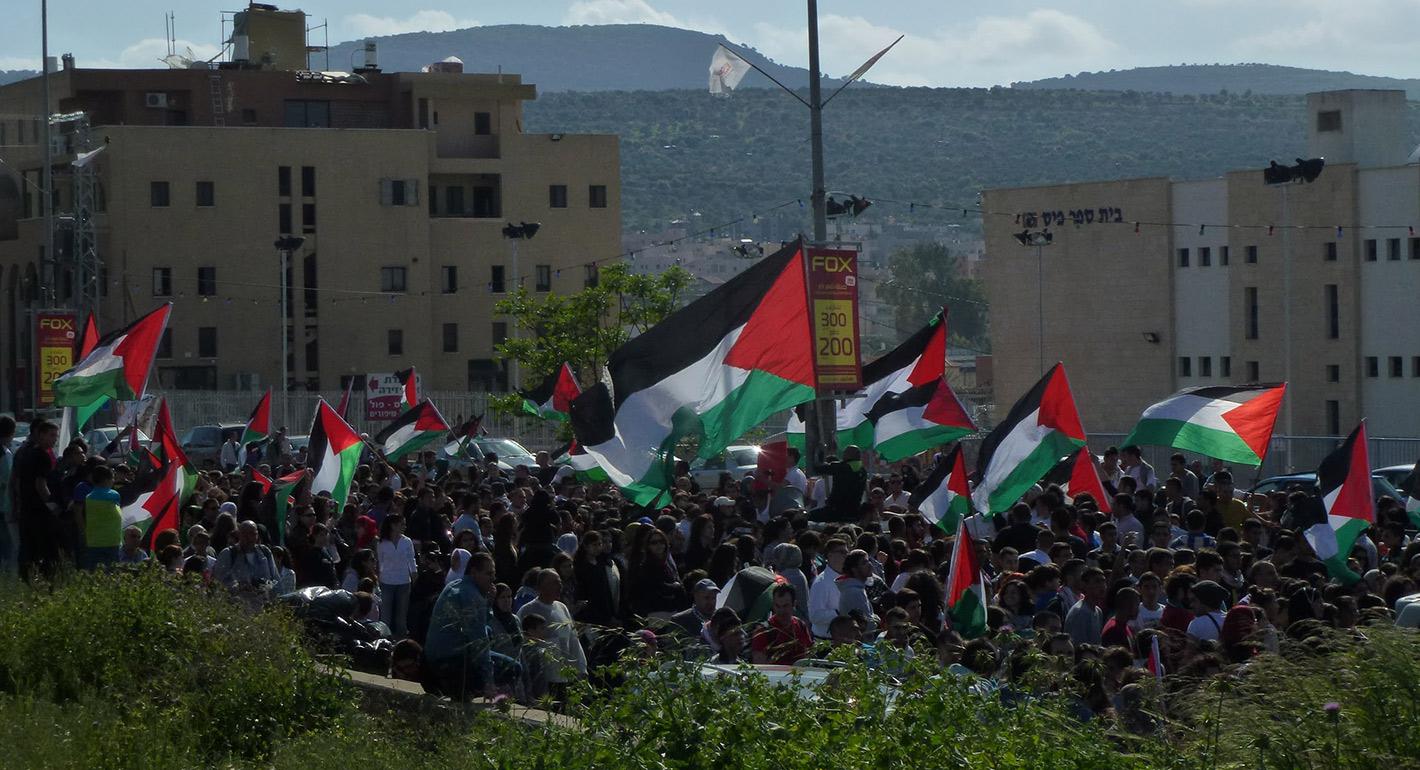
Centering rights and human security will not only help create the conditions needed to achieve a durable political solution but also promote U.S. interests abroad.

Zaha Hassan, Yousef Munayyer
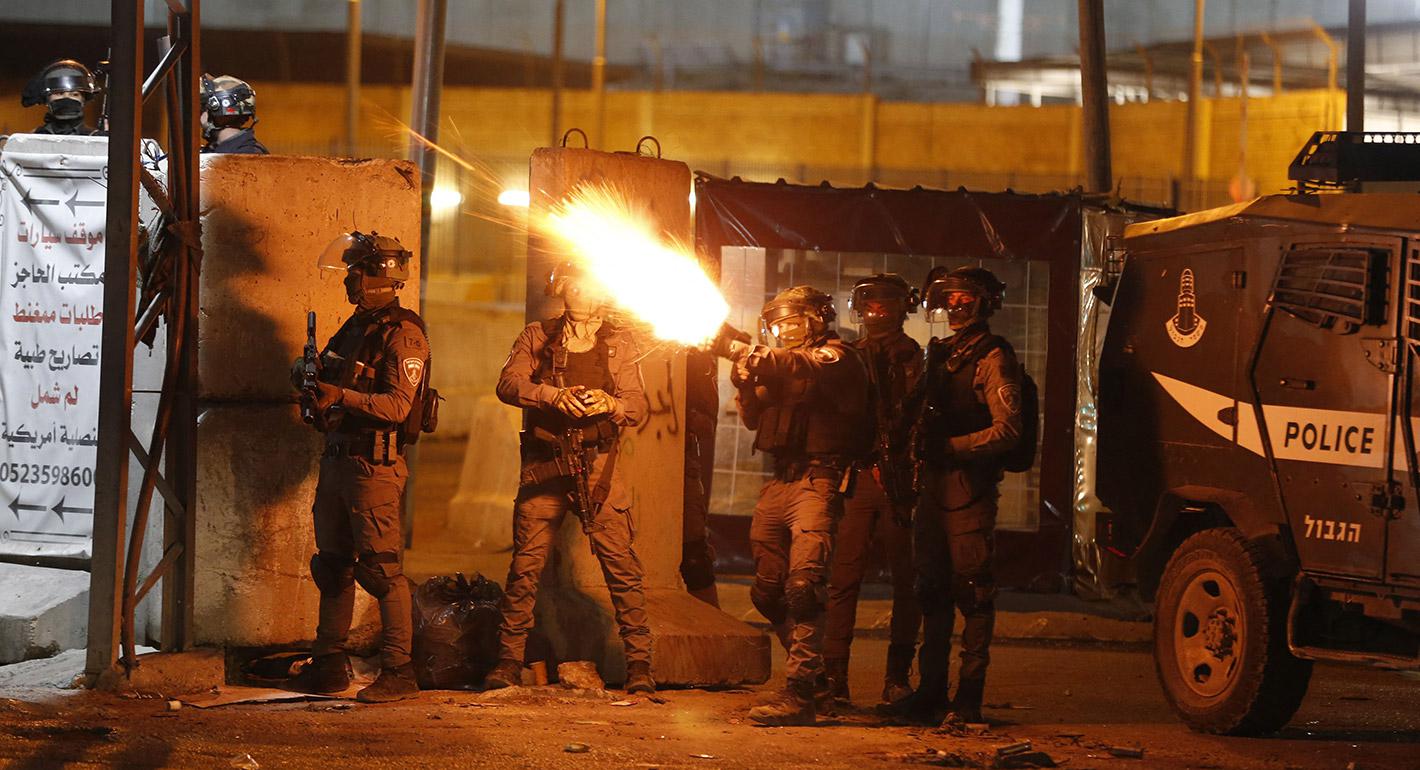
Ensuring that Israel, the largest recipient of U.S. security assistance, complies with federal laws and international human rights standards will require closely tracking and monitoring its weapons use.

Josh Ruebner, Salih Booker, Zaha Hassan
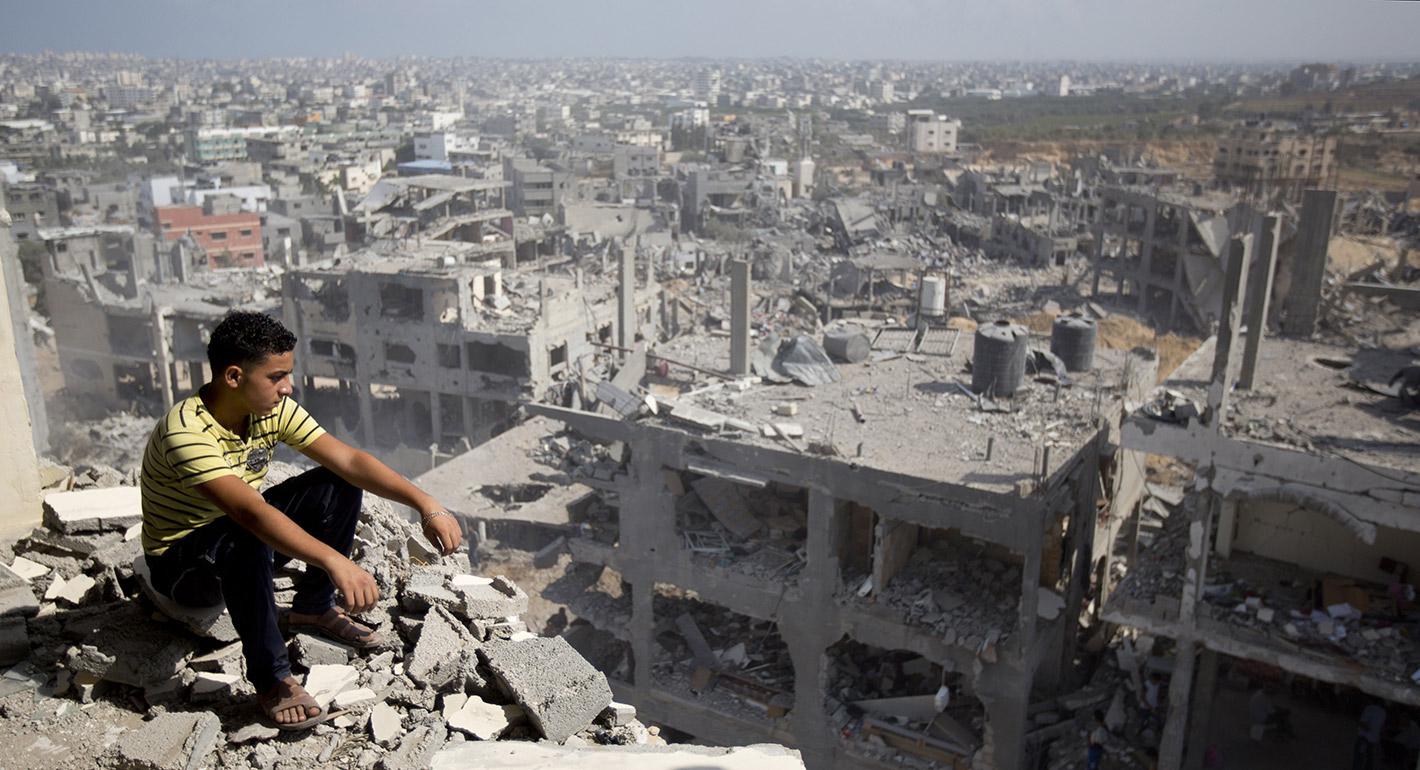
U.S. President Joe Biden says he wants “equal measures of freedom, prosperity, and democracy” for Gaza. What steps can he take to achieve that in practice?
Zaha Hassan
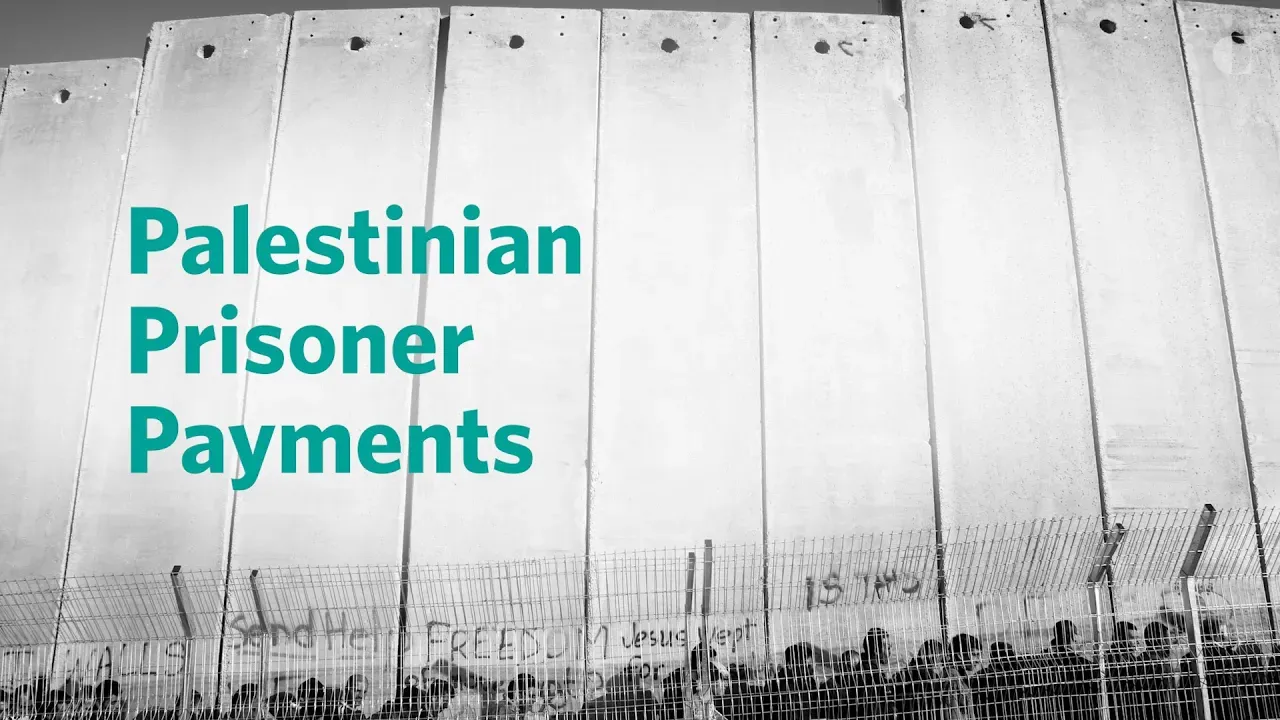
Since 2014, U.S. and Israeli policymakers have been calling on the Palestinian leadership to end welfare payments to prisoners in Israeli jails and to the families of prisoners and those killed by Israelis during political violence. However, Palestinians and supporters view them as a necessary social safety net in the face of brutal and oppressive living conditions under Israeli military occupation.
In separate commentaries, scholars Jake Walles, Aaron David Miller, and Scott Lasensky offer additional perspectives on these issues.
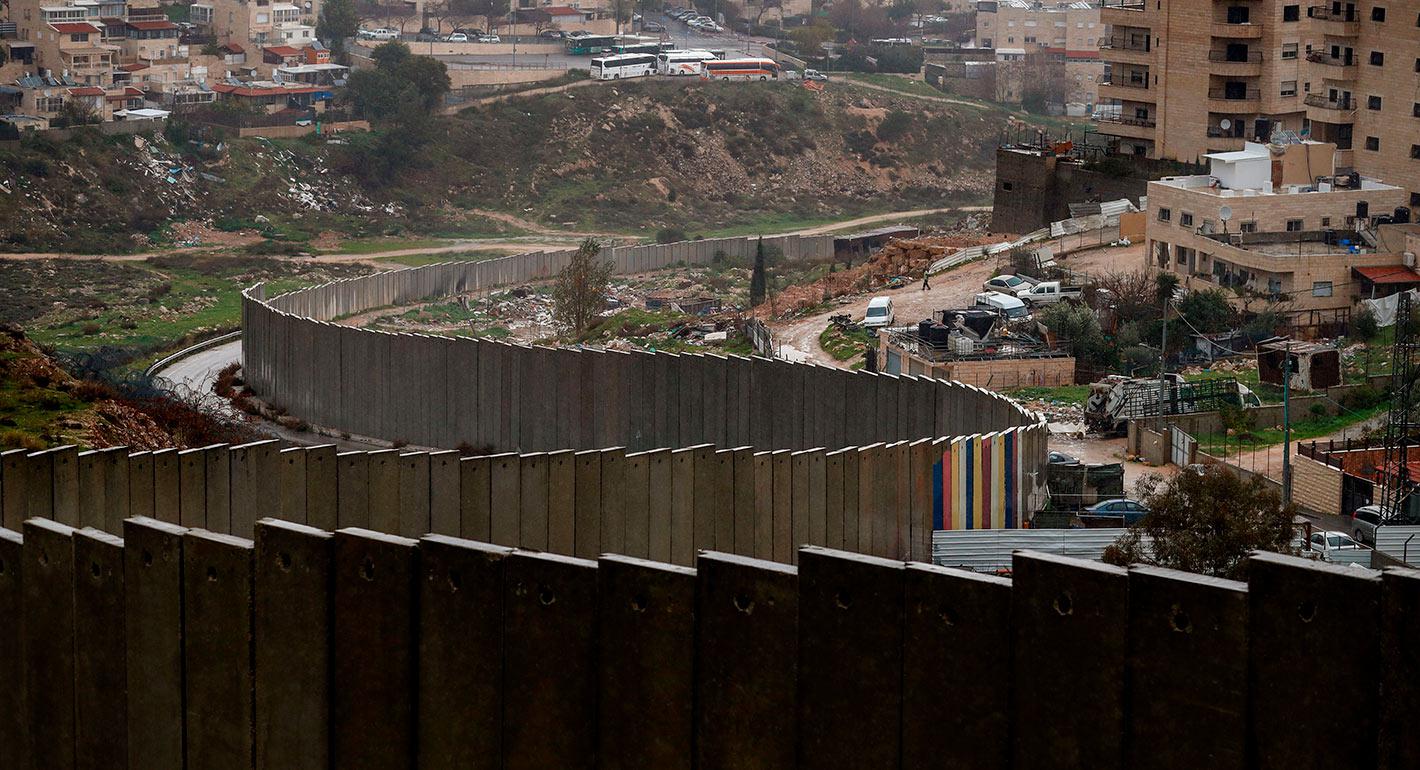
External pressure has never been effective in forcing the parties to abandon their core principles. Only a negotiated two-state solution has the potential to satisfy both sides.

Jake Walles
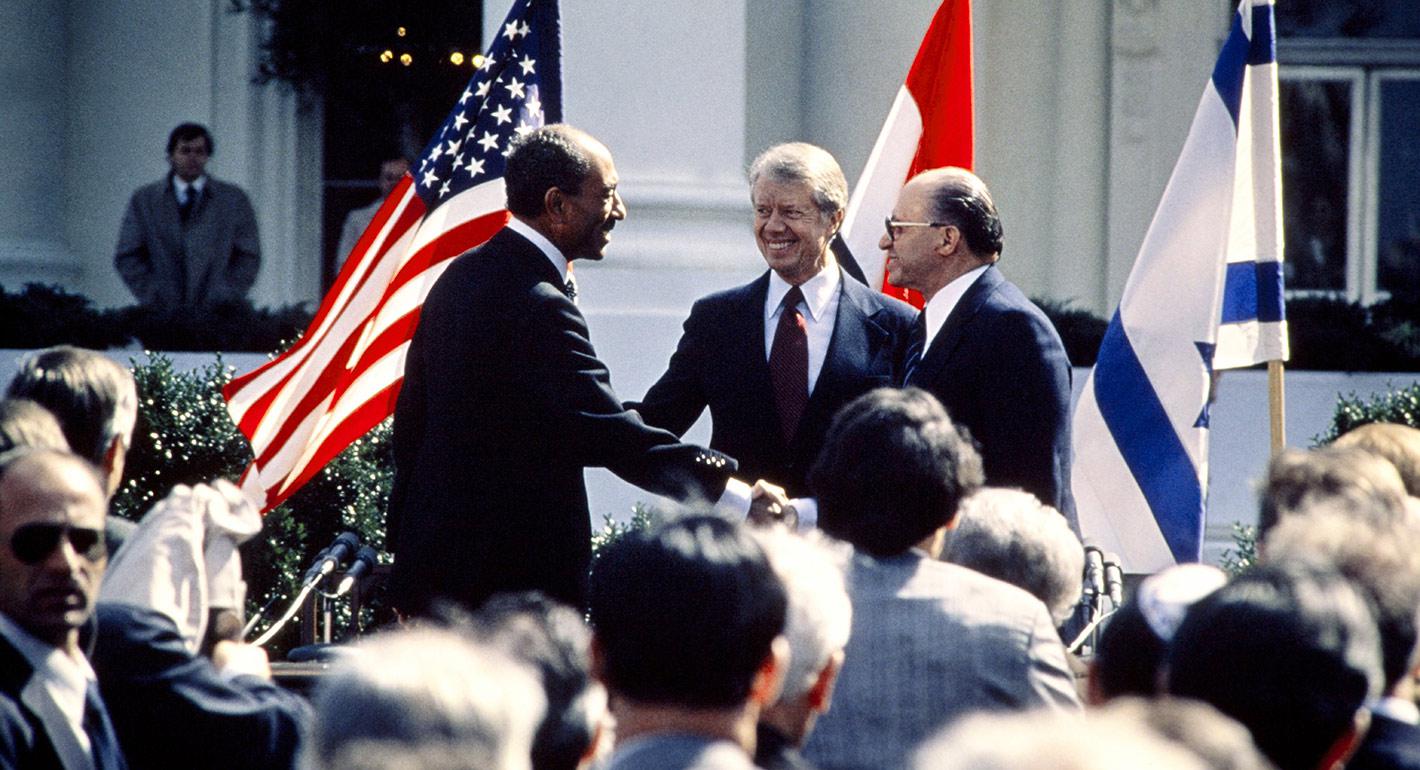
The United States can play an important mediating role in conflicts, but it's only truly effective when the parties own their negotiations and engage with one another based on their own interests and motives.

Aaron David Miller

A rights-based approach to Israeli-Palestinian peacemaking must be balanced with the national interests of the United States, as well as those of the parties themselves.
Scott Lasensky