

Commentary
Joseph Bahout
{
  "authors": [
    "Joseph Bahout"
  ],
  "type": "commentary",
  "blog": "Diwan",
  "centerAffiliationAll": "dc",
  "centers": [
    "Carnegie Endowment for International Peace",
    "Malcolm H. Kerr Carnegie Middle East Center"
  ],
  "collections": [
    "Arab Spring 2.0",
    "Coronavirus",
    "Decoding Lebanon"
  ],
  "englishNewsletterAll": "menaTransitions",
  "nonEnglishNewsletterAll": "",
  "primaryCenter": "Carnegie Endowment for International Peace",
  "programAffiliation": "MEP",
  "programs": [
    "Middle East"
  ],
  "projects": [],
  "regions": [
    "Middle East",
    "Lebanon",
    "Levant"
  ],
  "topics": [
    "Political Reform",
    "Economy"
  ]
}
Source: Getty
Lebanon’s economy was collapsing, until the coronavirus lockdown made matters even worse.
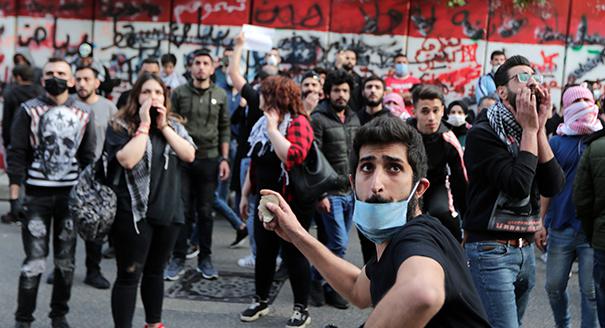
In the past six months, the Lebanese have been living through successive shocks. In October 2019, a large number of people took to the streets and public squares to protest against their declining living conditions and call for the overthrow of Lebanon’s highly corrupt and cynical political class. This appeared to be a moment when the country’s vibrant society was voicing its will to live, and live decently. Financial collapse was in sight, indeed had started, but for many protestors it was perceived as a necessary purgatory until something better could replace it.
Then came the coronavirus, which brought Lebanon’s disintegrating economy to a complete standstill. Here was a wake-up call about the fragility of things, so that if the Lebanese were thinking of an economic recovery, it was suddenly apparent that this would be far more complicated than they had anticipated. For a country in deep paralysis, the disease was the embodiment of its continuing agony.
Lebanon’s swing between a desire for rebirth and enforced confinement was reflected in the country’s politics. When people revolted last year they did so against an entire political class that had long monopolized the public realm—a closed club whose members since the end of the war in 1990 had sometimes been in power and sometimes out, while all the time maintaining a collective lock on the country’ political system. But the politicians refused to understand what had really occurred in October. They bided their time in order to reverse it, regain the initiative, and return to their sterile and destructive game.
Lebanon’s financial meltdown and the coronavirus outbreak offered them the perfect opportunities to do so. The main concerns of the state again became a subject of politicized bickering among the same old players: Should Lebanon reimburse part of its debt in Eurobonds or not? Should capital controls on bank accounts, which were informally imposed after the uprising last year, be made legal by an act of parliament? Should Beirut’s airport be completely closed to incoming flights as a shield against the coronavirus, or should it be reopened to admit Lebanese stuck abroad because of the pandemic? Should the governor of Lebanon’s central bank be held responsible for the financial collapse, and what should be done with him?
Amid this cacophony of issues, the Lebanese found themselves powerless once again, returned to the state of apathy and atrophy prevailing before October 2019.
Confinement and social distancing are hardly propitious for pursuing a popular upheaval. And it was highly symbolic that in the midst of a global cataclysm, what were very likely supporters of the country’s politicians destroyed the camp that protestors had set up last October in Beirut’s downtown area, amid general silence. If the Lebanese in revolt do not find inventive ways to revive their dissent in this time of coronavirus, if the protest movement does not provide answers to the questions that are now preoccupying most Lebanese, they could discover upon ending their confinement that their country’s agony has ended with its death.
Former Nonresident Fellow, Middle East Program
Joseph Bahout was a nonresident fellow in Carnegie’s Middle East Program. His research focuses on political developments in Lebanon and Syria, regional spillover from the Syrian crisis, and identity politics across the region.
Recent Work
Joseph Bahout
Joseph Bahout
Carnegie does not take institutional positions on public policy issues; the views represented herein are those of the author(s) and do not necessarily reflect the views of Carnegie, its staff, or its trustees.
The party’s objectives involve tying together the Lebanese and Iranian fronts, while surviving militarily and politically at home.
Mohamad Fawaz
While armed forces commander Rudolph Haykal’s caution is understandable, he is in a position to act, and must.

Michael Young
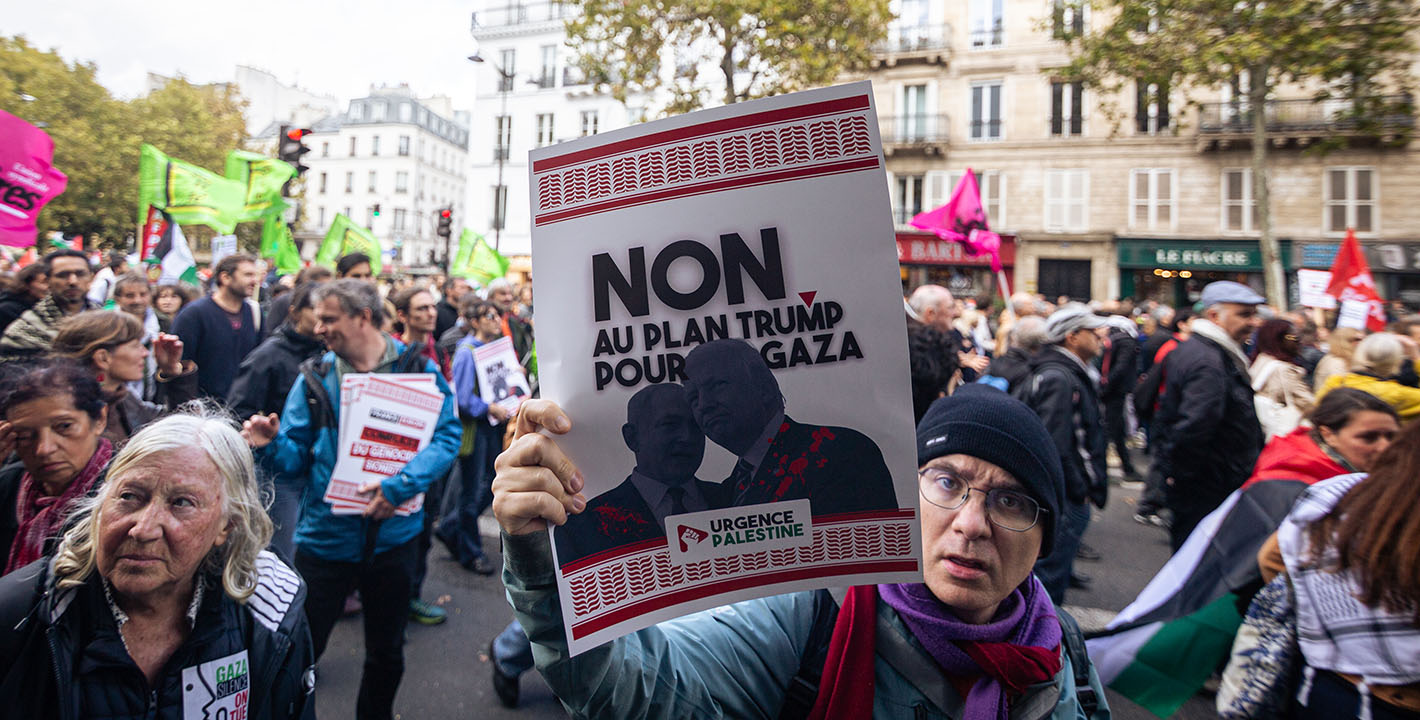
The simple conclusion is that the scheme will bring neither peace nor prosperity, but will institutionalize devastation.

Nathan J. Brown
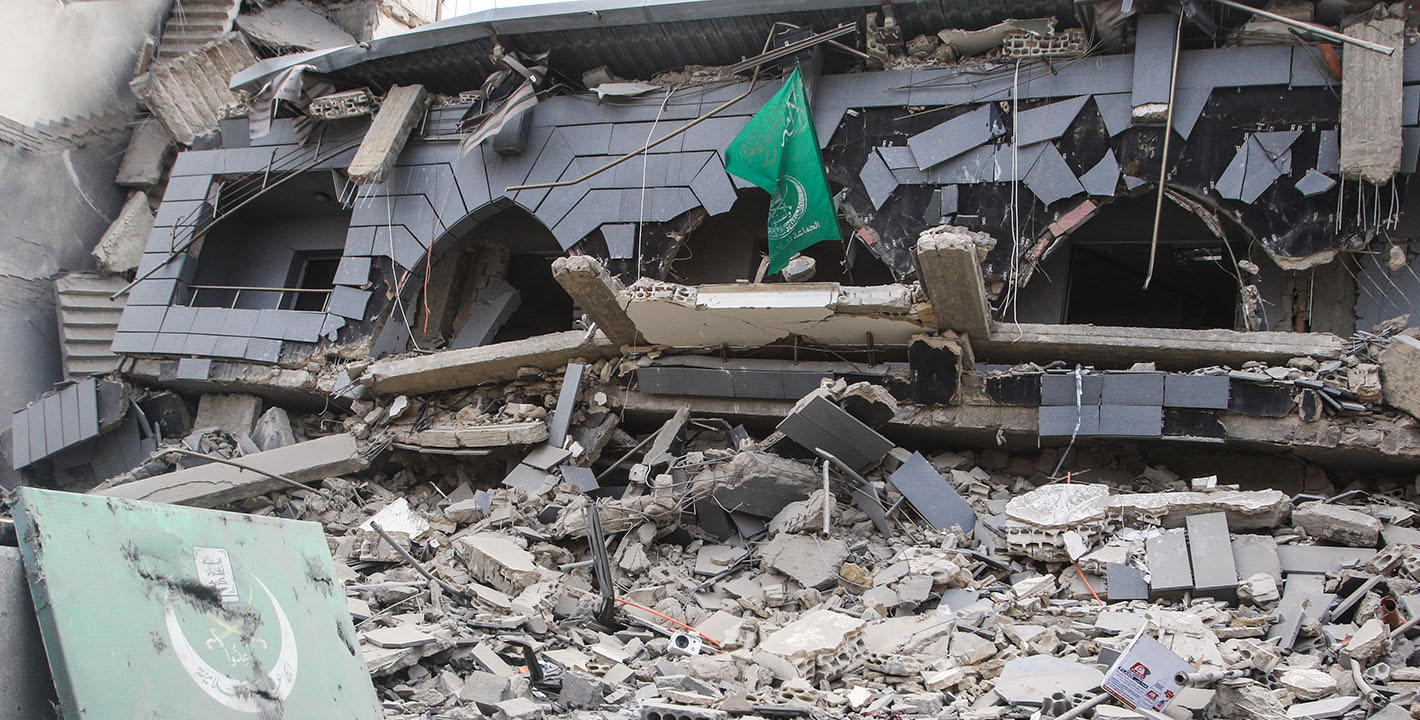
The Jamaa al-Islamiyya is the local Lebanese dimension of a broader struggle involving rival regional powers.
Issam Kayssi
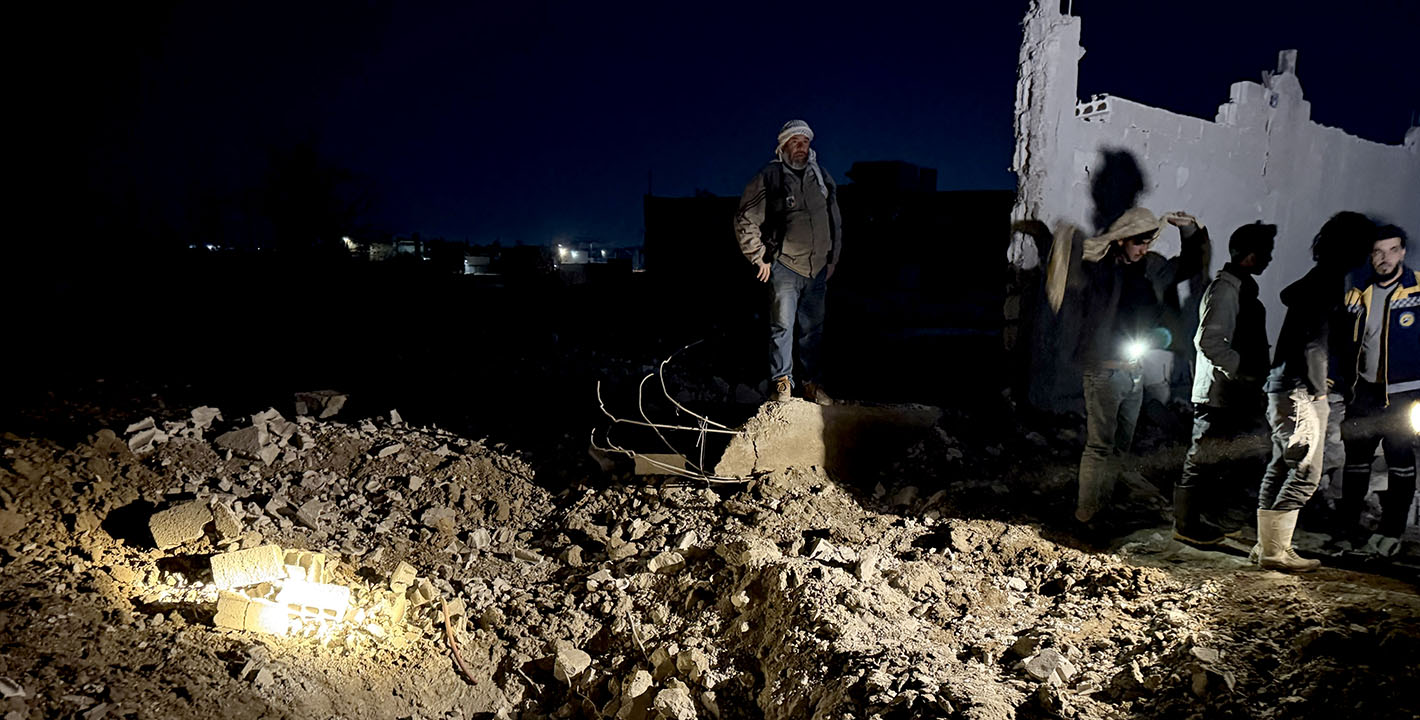
In an interview, Kheder Khaddour explains that Damascus is trying to stabilize its borders, but avoiding war isn’t guaranteed.
Michael Young