

Testimony
Anders Aslund
{
  "authors": [
    "Anders Aslund"
  ],
  "type": "other",
  "centerAffiliationAll": "dc",
  "centers": [
    "Carnegie Endowment for International Peace"
  ],
  "collections": [],
  "englishNewsletterAll": "ctw",
  "nonEnglishNewsletterAll": "",
  "primaryCenter": "Carnegie Endowment for International Peace",
  "programAffiliation": "russia",
  "programs": [
    "Russia and Eurasia"
  ],
  "projects": [],
  "regions": [
    "North America",
    "United States",
    "Caucasus",
    "Russia"
  ],
  "topics": [
    "Political Reform",
    "Democracy",
    "Foreign Policy"
  ]
}
REQUIRED IMAGE
Source: Carnegie Endowment
Russia’s regime has gone through a major aggravation during the first year of President Vladimir Putin’s second term. The regime suffers from serious overcentralization of power, which has led to a paralysis of policy making. Putin’s power base has been shrunk to a core of secret policemen from St. Petersburg. Although his popularity remains high, it is falling. Neither unbiased information nor negative feedback is accepted. As a result, the Putin regime is much more fragile than generally understood. Russia’s current abandonment of democracy is an anomaly for such a developed and relatively wealthy country, and it has made Russia’s interests part from those of the United States.
In this new Policy Brief, Carnegie senior associate Anders Aslund asserts that the United States should not hesitate to promote democracy in Russia, while pragmatically pursuing common interests in nonproliferation and energy.
Click on the link above for the full text of this Carnegie publication.
A limited number of print copies are available.
Request a copy
About the Author
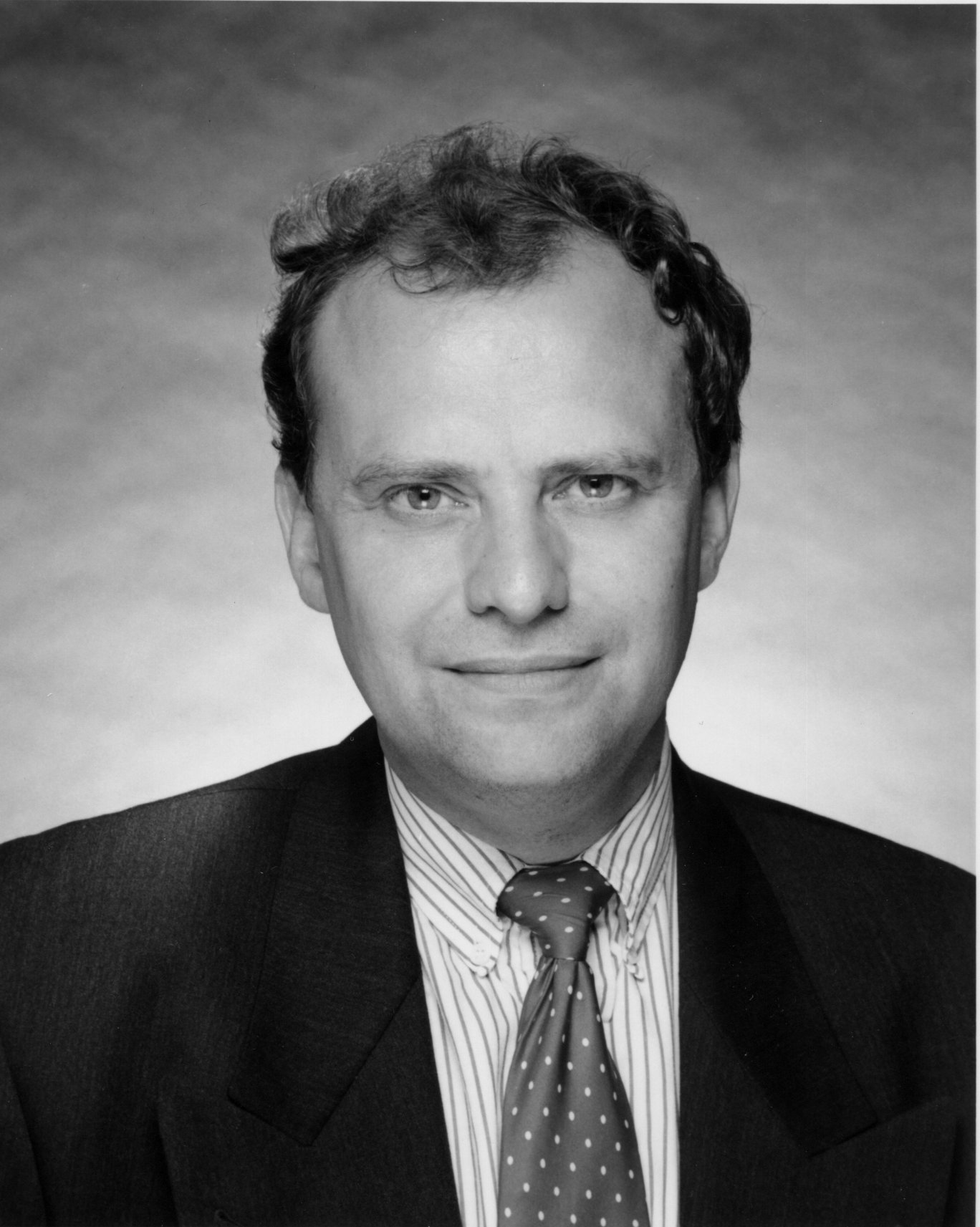
Anders Åslund is the director of the Russian and Eurasian Program and senior associate at the Carnegie Endowment. He is also an adjunct professor at Georgetown University and co-directs the Carnegie Moscow Center's project on Economies of the Post-Soviet States. He is the author of Building Capitalism: The Transformation of the Former Soviet Bloc and Betraying a Revolution (Washington Post, May 2005).
Former Senior Associate, Director, Russian and Eurasian Program
Recent Work
Anders Aslund
Anders Aslund, Oleksandr Paskhaver
Carnegie does not take institutional positions on public policy issues; the views represented herein are those of the author(s) and do not necessarily reflect the views of Carnegie, its staff, or its trustees.
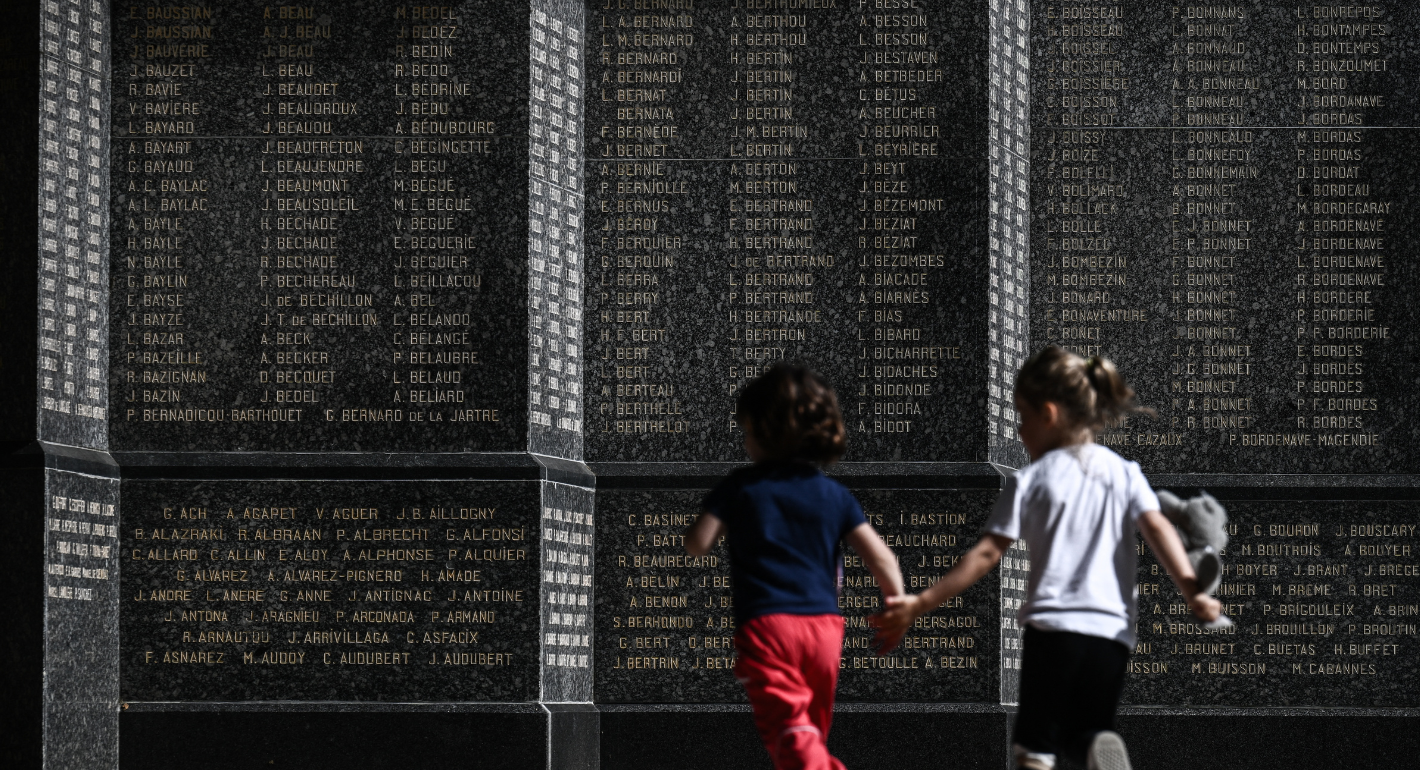
The wars in Ukraine and the Middle East are existential threats to Europe as a peace project. Leaders and citizens alike must reaffirm their solidarity to face up to today’s multifaceted challenges.

Marc Pierini

The United States ignores the region’s lived experience—and the tough political and social trade-offs the war has produced—at its peril.

Evan A. Feigenbaum

The prospect of a total block on Russia’s most popular messaging app has sparked disagreement between the regime’s political managers and its security agencies.

Andrey Pertsev
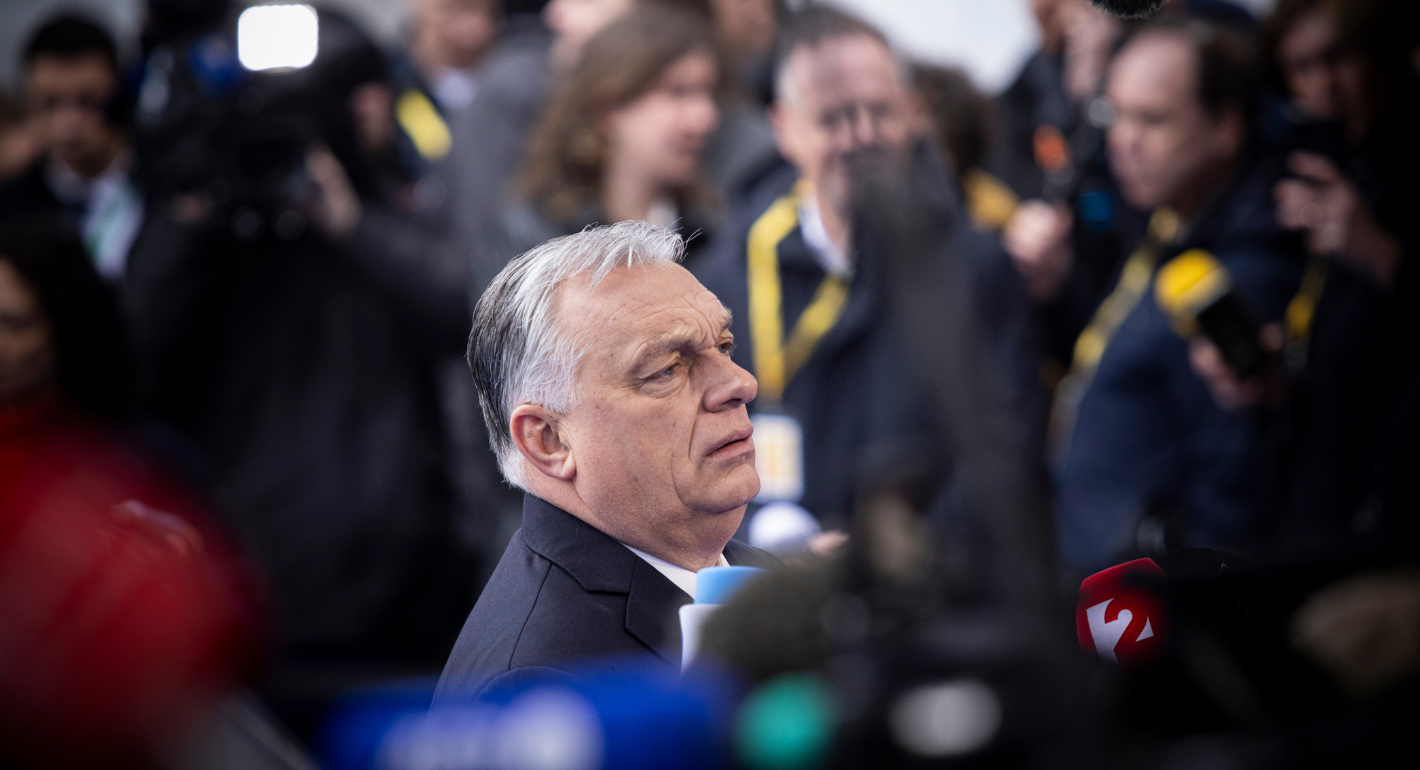
Hungarians head to the polls on April 12 for an election of national and European consequence. Three different outcomes are on the cards, each with their own implications for the EU.
Zsuzsanna Szelényi
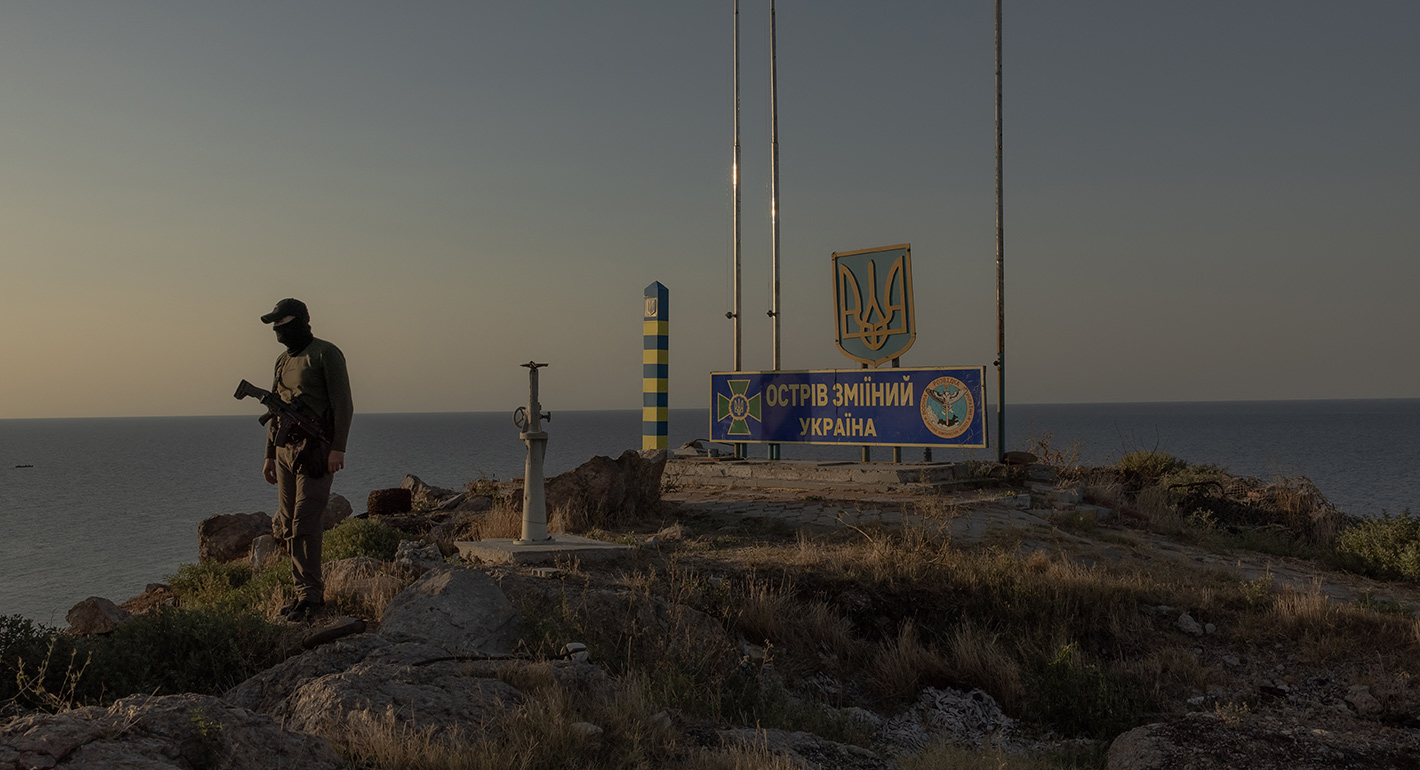
Ukraine’s asymmetric approach has rendered Russia’s Black Sea Fleet functionally useless. But a long-term commitment will be needed to maintain this balance of power.
Alina Frolova, Stepan Yakymiak