


Programs
Russia and Eurasia
About the Program
The Russia and Eurasia Program continues Carnegie’s long tradition of independent research on major political, societal, and security trends in and U.S. policy toward a region that has been upended by Russia’s war against Ukraine. Leaders regularly turn to our work for clear-eyed, relevant analyses on the region to inform their policy decisions.
Program Experts
Eugene Rumer
Director and Senior Fellow, Russia and Eurasia Program
Eric Ciaramella
Senior Fellow and Ukraine Initiative Director, Russia and Eurasia Program

Michael Kofman
Senior Fellow, Russia and Eurasia Program
Nate Reynolds
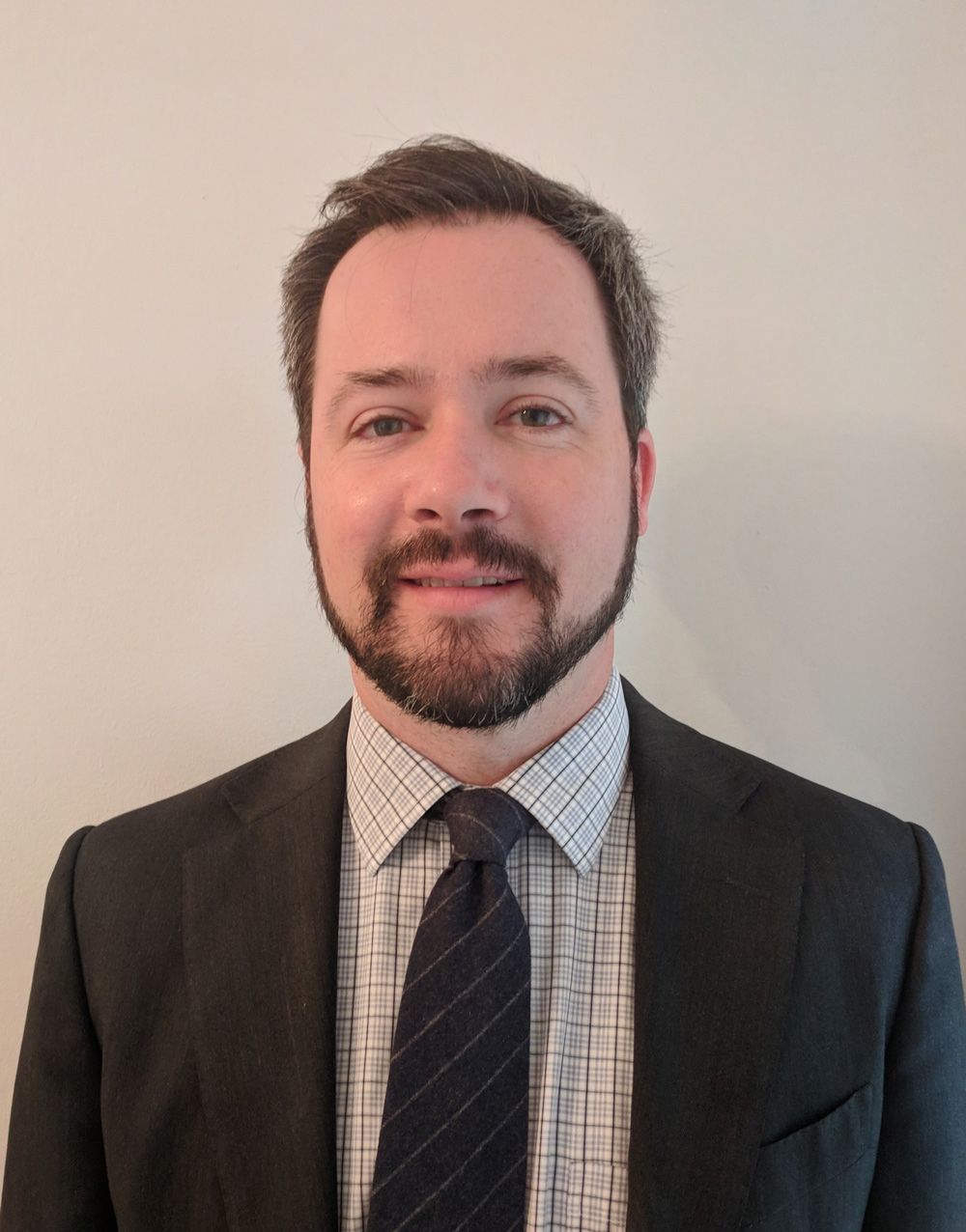
Senior Fellow, Russia and Eurasia Program

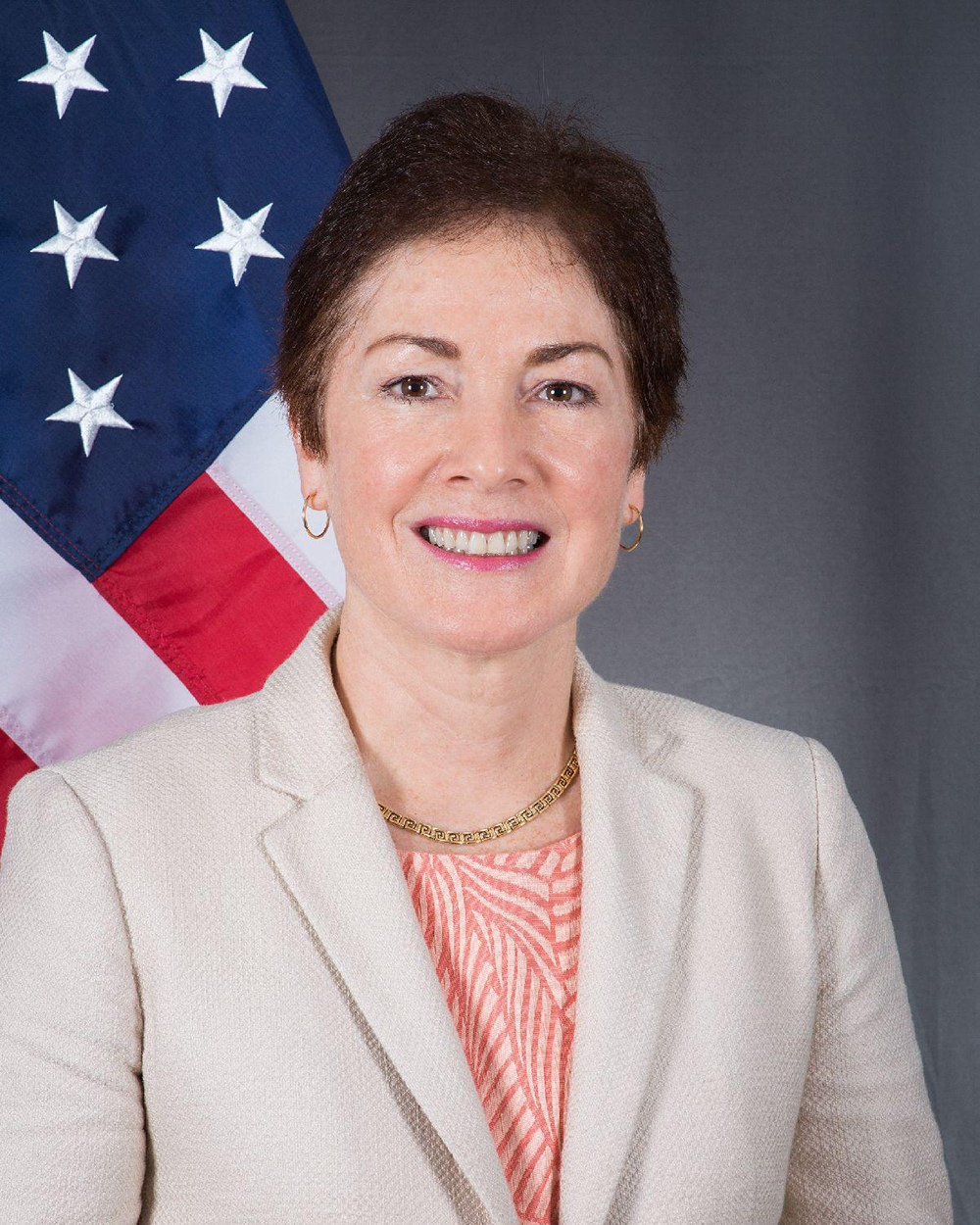
Marie Yovanovitch
Senior Fellow, Russia and Eurasia Program
Nonresident Scholars
Christopher Bort
Nonresident Scholar, Russia and Eurasia Program
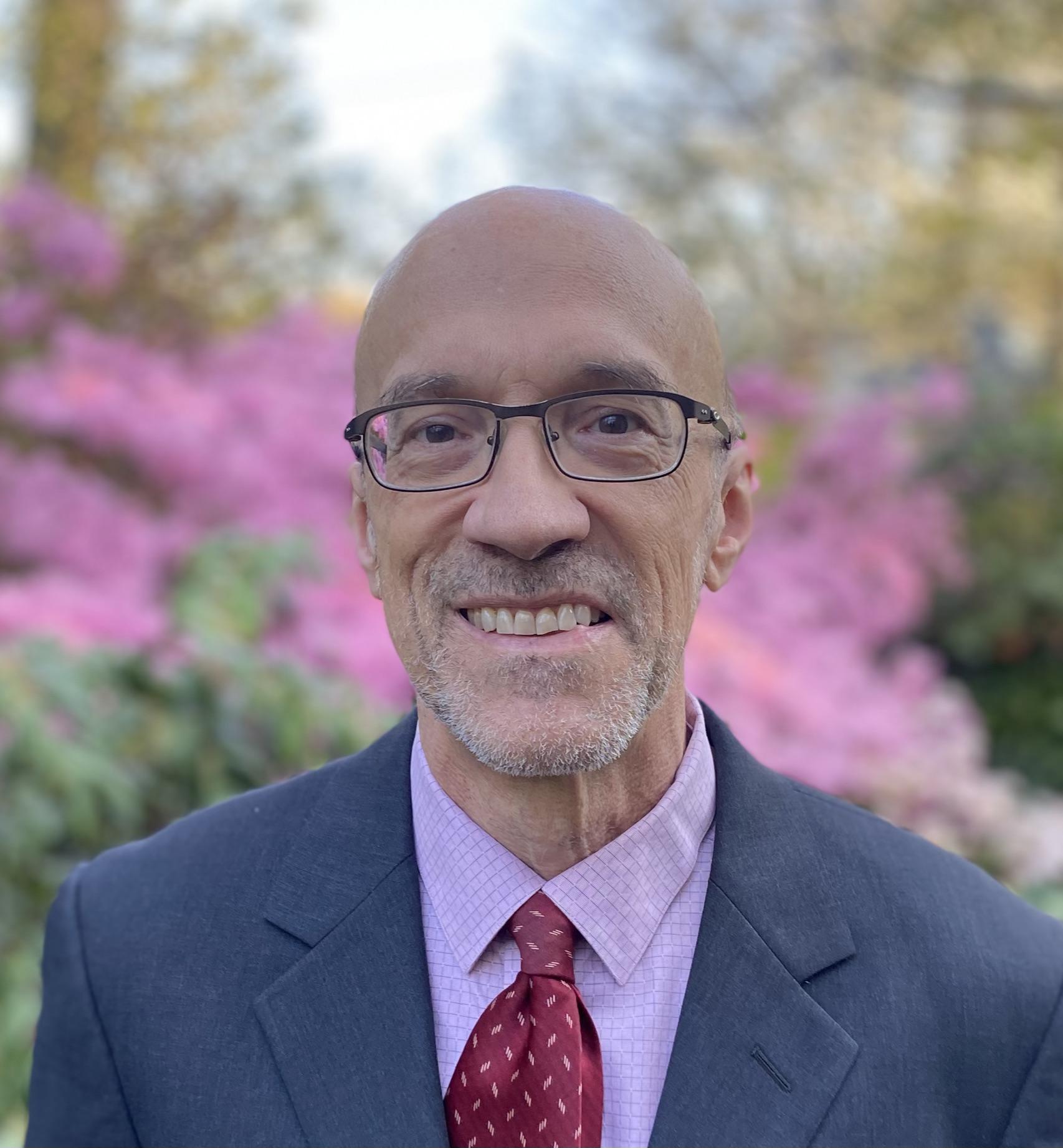
Chris Bort is a nonresident scholar with Carnegie’s Russia and Eurasia Program.
James F. Collins
Nonresident Senior Fellow, Russia and Eurasia Program; Diplomat in Residence
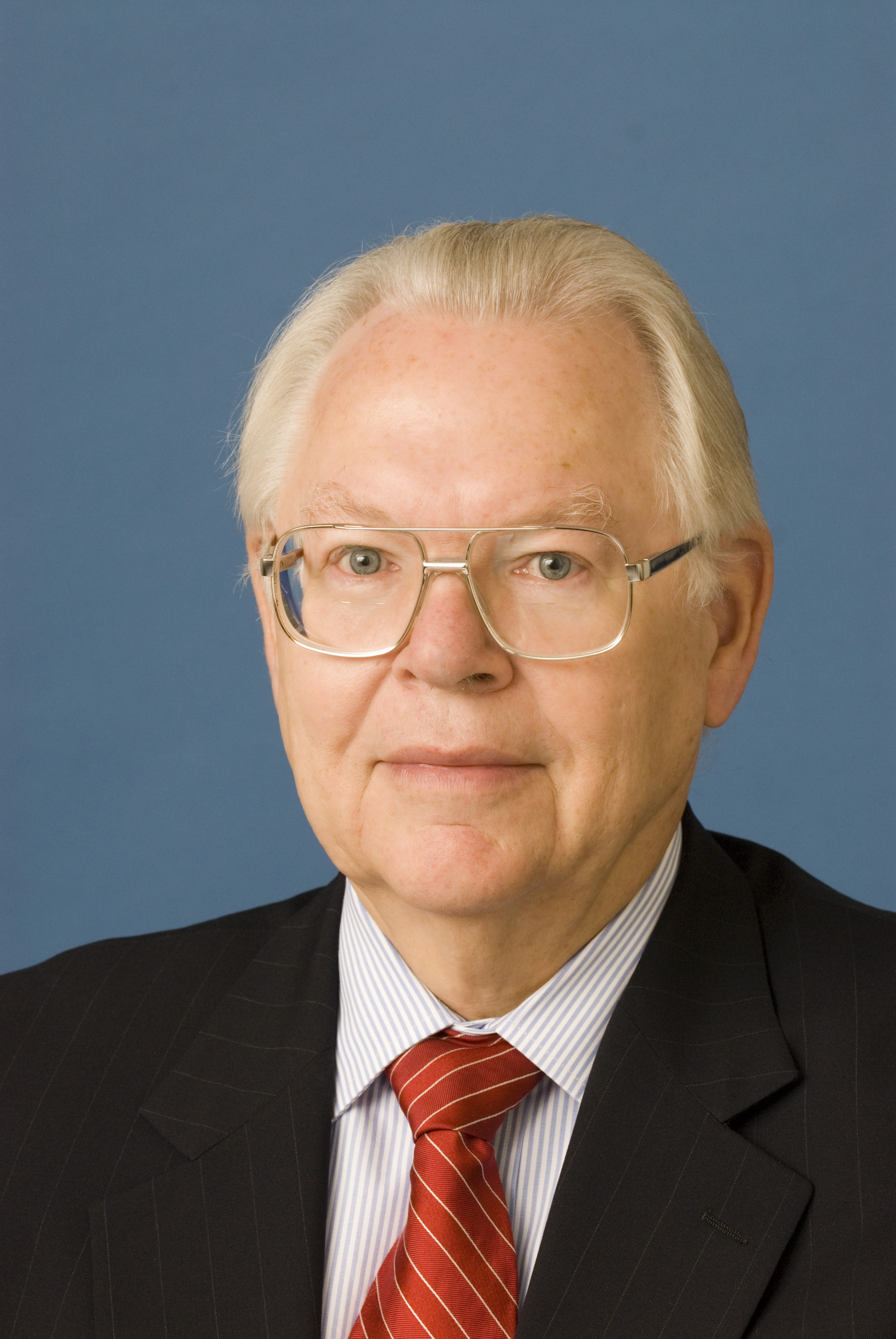
Ambassador Collins was the U.S. ambassador to the Russian Federation from 1997 to 2001 and is an expert on the former Soviet Union, its successor states, and the Middle East.
Eric Green
Nonresident Scholar, Russia Eurasia Program
Eric Green is a nonresident scholar at the Carnegie Endowment for International Peace.
Pavlo Klimkin
Nonresident Senior Fellow, Russia and Eurasia Program
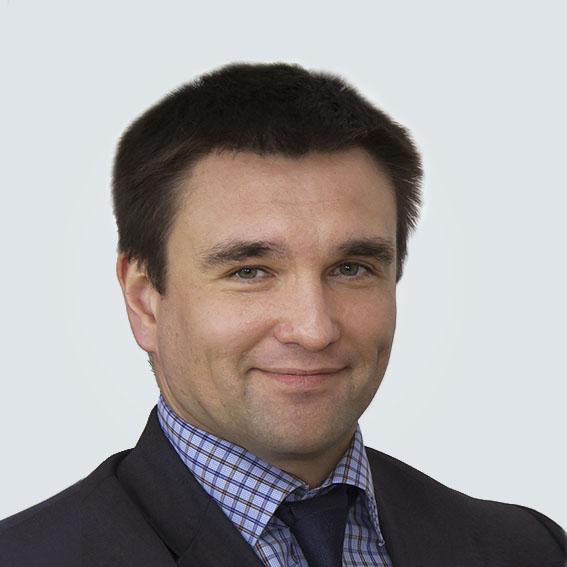
Pavlo Klimkin is a nonresident senior fellow in the Russia and Eurasia Program at the Carnegie Endowment for International Peace. He formerly served as the foreign minister of Ukraine.
Anna Ohanyan
Nonresident Senior Scholar, Russia and Eurasia Program
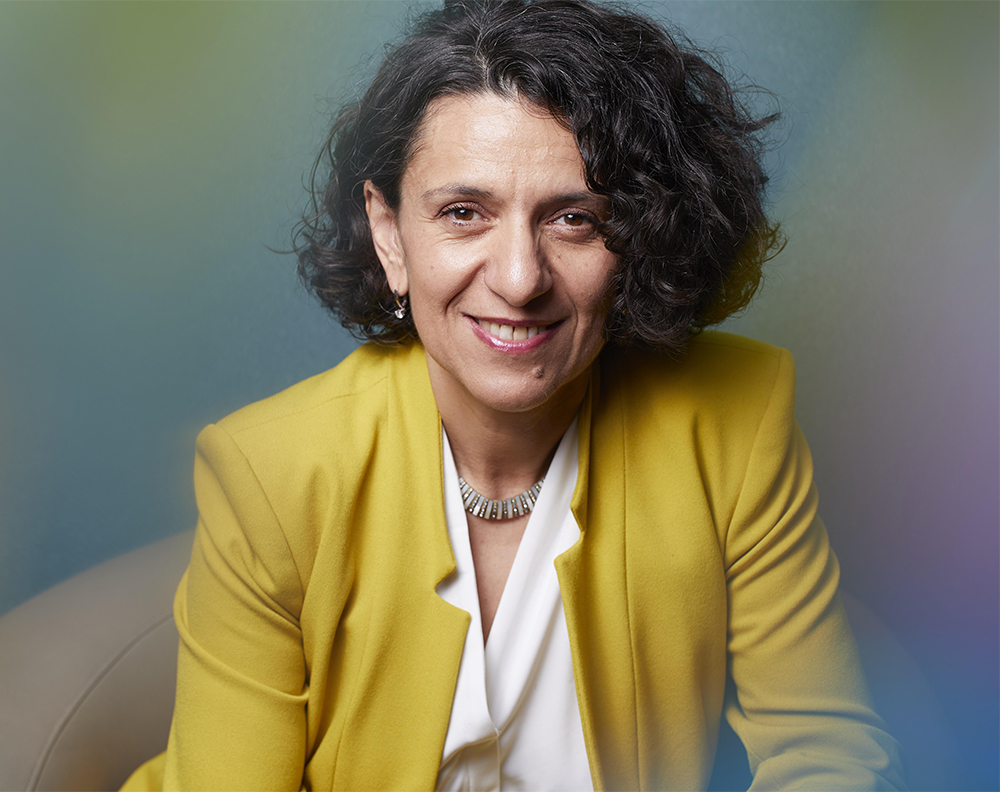
Anna Ohanyan is a nonresident senior scholar in the Carnegie Russia and Eurasia Program.
Philip Remler
Nonresident Scholar, Russia and Eurasia Program
Philip Remler is a nonresident scholar at the Carnegie Endowment for International Peace.
Kateryna Shynkaruk
Nonresident Scholar, Russia and Eurasia Program
Dr. Kateryna Shynkaruk is a nonresident scholar at the Carnegie Endowment for International Peace.
Richard Sokolsky
Nonresident Senior Fellow, Russia and Eurasia Program
Richard Sokolsky is a nonresident senior fellow in Carnegie’s Russia and Eurasia Program. His work focuses on U.S. policy toward Russia in the wake of the Ukraine crisis.
Maksym Skrypchenko
Nonresident Scholar, Russia and Eurasia Program
Maksym Skrypchenko is a nonresident scholar in the Russia Eurasia Program. He is a political analyst and national security expert specializing in Eastern Europe, Ukraine, and Russia.
Nataliia Shapoval
Nonresident Scholar, Russia and Eurasia Program
Nataliia Shapoval is President of the KSE Institute, one of the largest think tanks in Ukraine, and Vice President for Policy Research at the Kyiv School of Economics. Shapoval’s research focuses on public procurement reform, the healthcare and pharmaceutical sectors, economic statecraft, and regional development.
Focus
Key Areas of Research
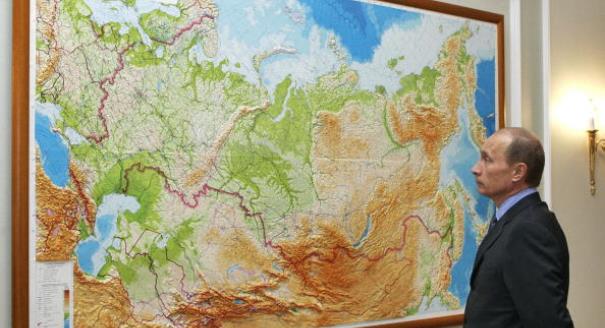
The Return of Global Russia
The Return of Global Russia project examines the Kremlin’s return to the world stage as an ambitious and capable actor not only around its periphery and in Europe, but in many parts of the world where its influence has often been written off. The project explores Russian intentions, capabilities, and practical Western policy options for how and when to respond to this challenge.
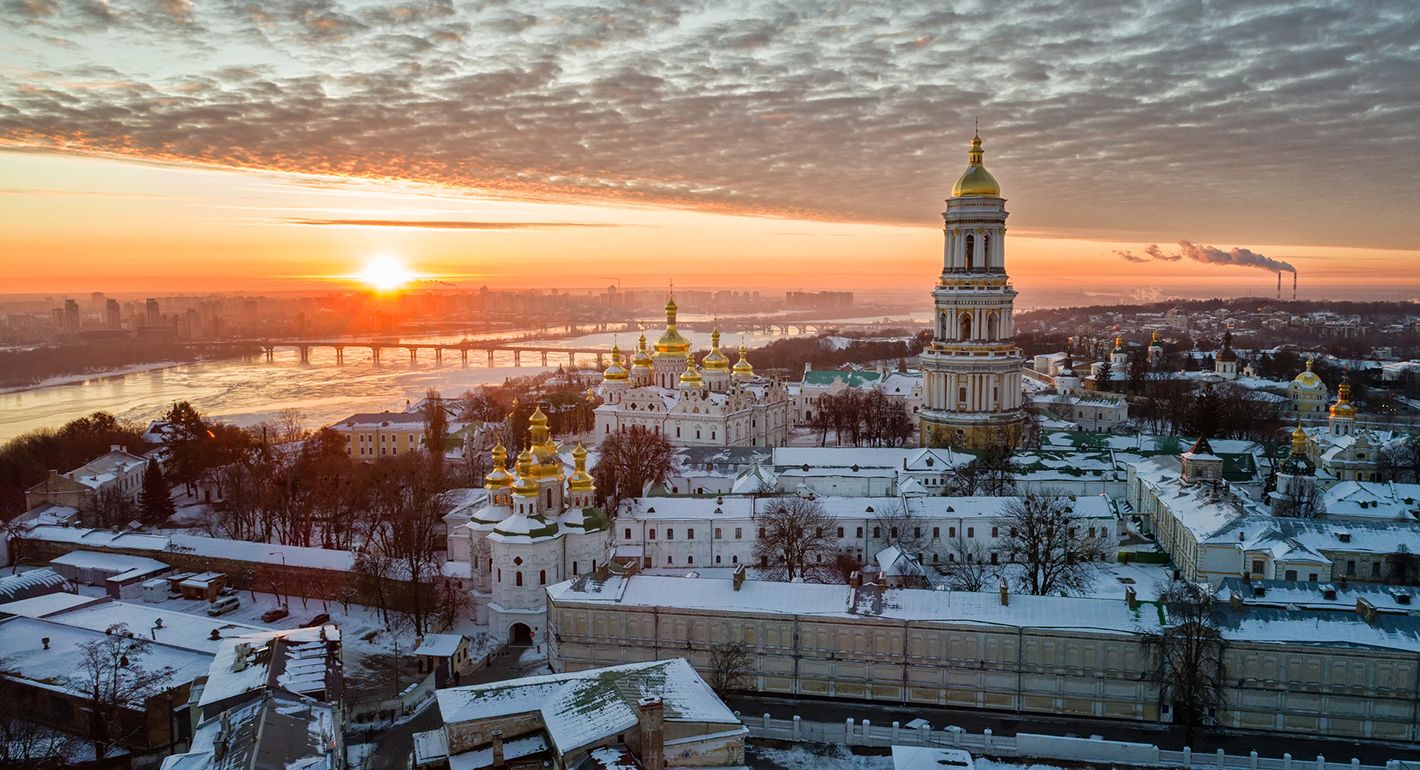
Ukraine Initiative
This multiyear initiative contributes policy and analytical insights in support of efforts to create a sustainable, long-term strategy to defeat Russia’s aggression and help ensure a future for Ukraine as a resilient democracy, in partnership with Ukrainian scholars.
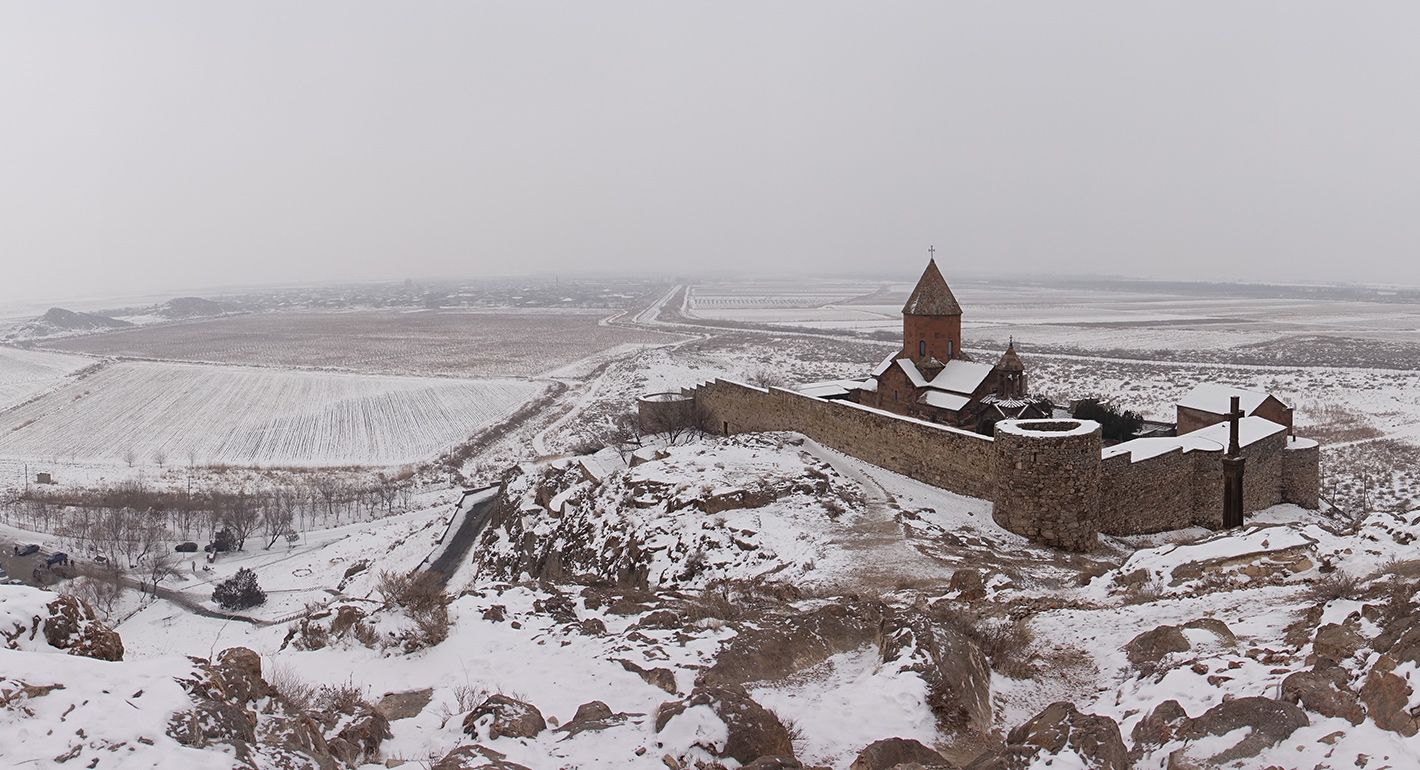
Aso Tavitian Initiative
This long-term project, involving teams working across Carnegie’s global centers, examines the future of Russia’s neighbors, starting with the South Caucasus. Through evidence-based research, policy initiatives, and public outreach, the initiative helps decisionmakers within and outside the broader region come to grips with forces that are reshaping societies, politics, and foreign policies.