

Report
- +3
Christopher S. Chivvis, Kristin Zhu, Beatrix Geaghan‑Breiner, …

Programs
The American Statecraft Program develops and advances ideas for a more disciplined U.S. foreign policy aligned with American values and cognizant of the limits of American power in a more competitive world.
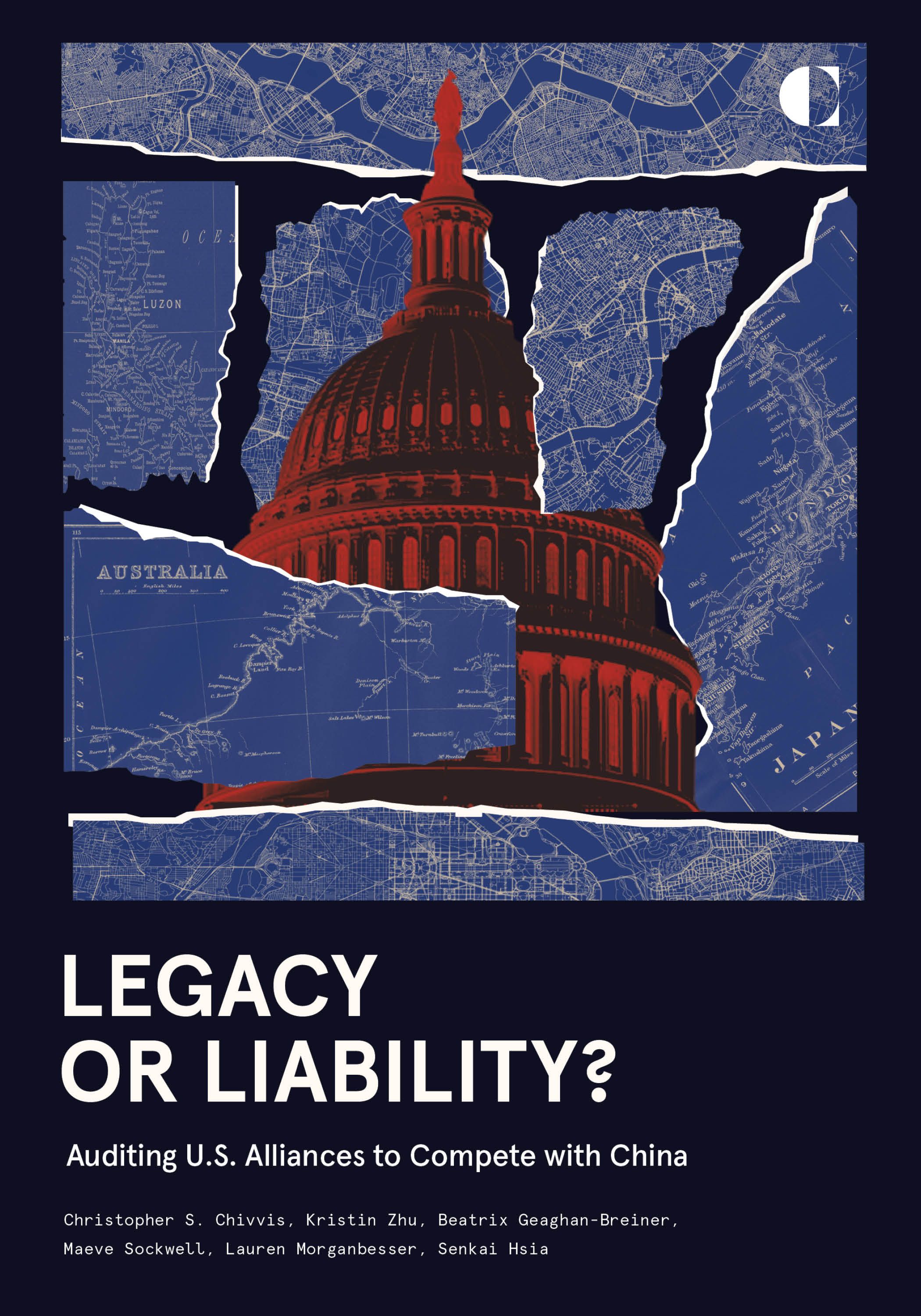


Christopher S. Chivvis, Kristin Zhu, Beatrix Geaghan‑Breiner, …
Program Experts
Afreen Akhter
Visiting Scholar, American Statecraft Program

Cecily Brewer
Nonresident Scholar, American Statecraft Program

Christopher S. Chivvis
Senior Fellow and Director, American Statecraft Program
Suzanne DiMaggio
Senior Fellow, American Statecraft Program

Peter Harrell
Nonresident Scholar, American Statecraft Program

Aaron David Miller
Senior Fellow, American Statecraft Program

Jeffrey Prescott
Senior Fellow, American Statecraft Program

Brett Rosenberg
Nonresident Scholar, American Statecraft Program

Christopher Shell
Fellow, American Statecraft Program
Katie Tobin
Nonresident Scholar, American Statecraft Program

Stephen Wertheim
Senior Fellow, American Statecraft Program

Innovative foreign policy recommendations grounded in reality
How large foreign policy shifts happen despite pressures to maintain the status quo.

Christopher S. Chivvis, Jennifer Kavanagh, Sahil Lauji, …

When the war in Ukraine ends, the United States should seize opportunities to weaken the ties between China, Iran, North Korea, and Russia.
Christopher S. Chivvis
Alliances remain crucial to American statecraft in an era of great-power competition, but Washington needs to be clear eyed about their costs and benefits.
Christopher S. Chivvis, Kristin Zhu, Beatrix Geaghan‑Breiner, …
Challenging assumptions about America’s global priorities to serve the needs of the future.
The United States needs to do more than merely avoid the most spectacular blunders of old: It must make a new place for itself in global affairs
Stephen Wertheim
Never in the years since the Cold War has the United States looked less like a leader of the world and more like the head of a faction — reduced to defending its preferred side against increasingly aligned adversaries
Stephen Wertheim
For decades, collective European self-defense was merely an aspiration. Today, the time to realize this goal seems to be at hand.
Christopher S. Chivvis
Ensuring that American foreign policy serves the needs of its citizens
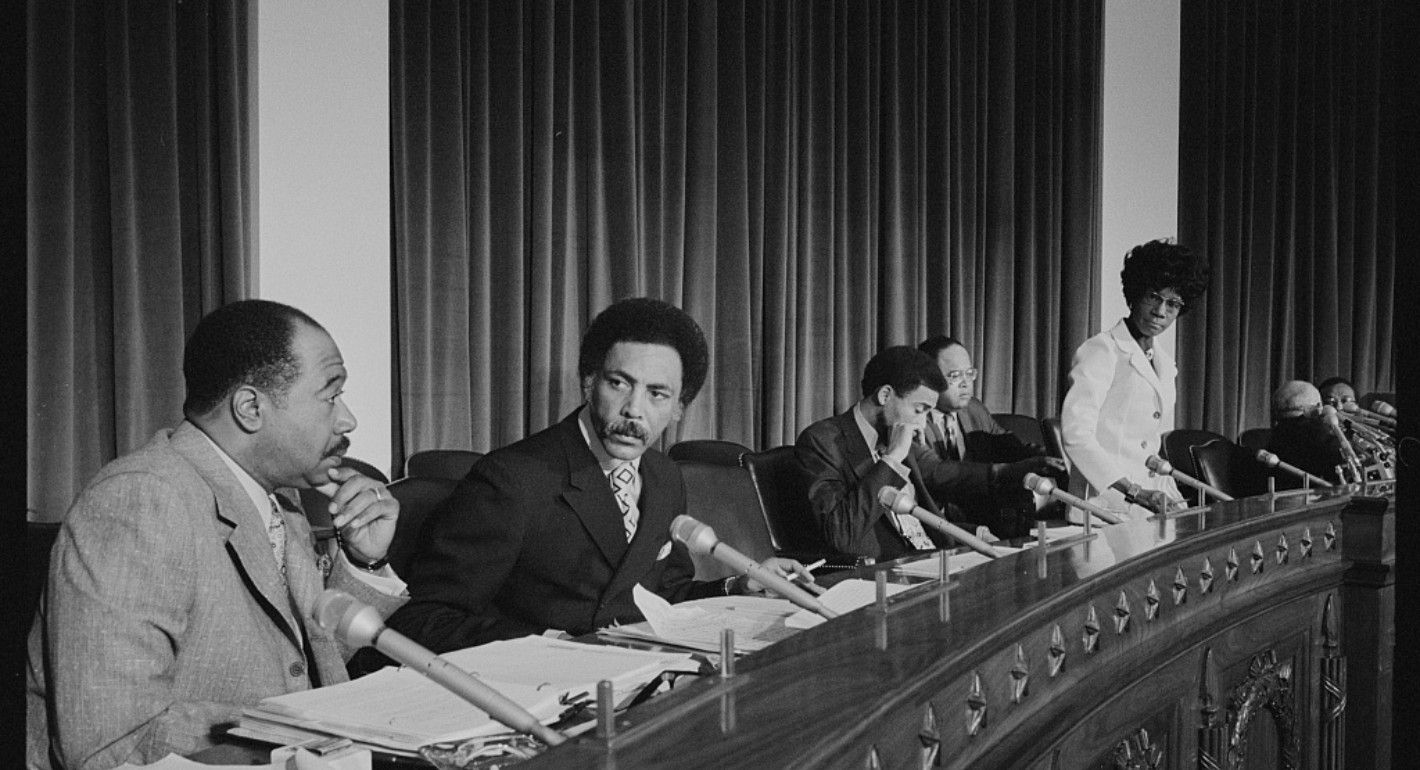
The legacy of thought leaders in the CBC reveals how Congress can make space for meaningful democratic debate on the direction of U.S. foreign policy.
Christopher Shell

Although the coming-of-age generation is broadly internationalist, most prefer a more modest U.S. role in the world, including with China, Israel, and Ukraine.
Christopher S. Chivvis, Lauren Morganbesser
There has been a long bipartisan tradition of seeking to persuade through fear appeals. But there are risks in addition to rewards with this approach, as shown by two examples: China and climate change.
Brett Rosenberg
Aligning U.S. foreign policy with changing domestic and global economic realities
Instead of allowing the DFC’s authorization to lapse, Congress could make the bank more nimble than before.
Afreen Akhter
The political shift toward government equity in companies raises complex policy issues regarding the government’s role in the economy.
Peter Harrell
Trump is misusing a statute to impose tariffs on Canada and Mexico that hurt American interests.
Peter Harrell
Podcast Series
Carnegie Connects is our premier live podcast hosted by Aaron David Miller. Every other week, he tackles the most pressing foreign policy issues of the day in conversations with journalists, policymakers, historians, and experts.
Invalid video URL
Video Series
Tensions between the United States and China have made many strategists pessimistic about the future of their relationship. With the two powers competing in nearly every domain, there is a real risk of conflict over the next decade. If there is to be any possibility of stability in their relationship, we need a positive vision for how to get there. In the Carnegie Endowment’s new edited volume, ten experts present their ideas about positive and realistic scenarios for the U.S.-China relationship over the next decade.