

Paper
Rachel George, Ian Klaus

Programs
Carnegie California links developments in California and the West Coast with national and global conversations around technology, subnational affairs, and trans-Pacific relationships. At distance from national capitals, and located in one of the world’s great experiments in pluralist democracy, Carnegie California engages a wide array of stakeholders as partners in its research and policy engagement.


Rachel George, Ian Klaus
Program Experts
Ian Klaus
Founding Director, Carnegie California
Mariano-Florentino (Tino) Cuéllar
President, Carnegie Endowment for International Peace
Dan Baer
Senior Vice President for Policy Research, Director, Europe Program
Mark Baldassare
Nonresident Scholar, Carnegie California
Frances Z. Brown
Vice President for Studies; Acting Director, Africa Program

Liliana Gamboa
Nonresident Scholar, Carnegie California; Sustainability, Climate, and Geopolitics Program

Rachel George
Nonresident Scholar, Carnegie California
Scott Kohler
Nonresident Scholar, Carnegie California
Kenji Kushida
Senior Fellow, Asia Program
Cecilia Hyunjung Mo
Nonresident Scholar, Carnegie California

Hiroshi Motomura
Nonresident Scholar, Carnegie California
Alejandro N. Mayorkas
Visiting Scholar
Rob Reich
Nonresident Scholar, Carnegie California
Marissa Jordan
Program Manager, Carnegie California
Micah Weinberg
Nonresident Scholar, Carnegie California

Pillars
We examine ecosystems that inform and shape technological innovation and the political economies, geographies, and relationships that emerge in response to new developments.

The innovations emerging at the frontier of artificial intelligence are poised to create historic opportunities for humanity but also raise complex policy challenges. As the epicenter of global AI innovation, California has a unique opportunity to continue supporting developments in frontier AI while addressing substantial risks that could have far-reaching consequences for the state and beyond.

Rishi Bommasani, Scott Singer, Ruth E. Appel, …

On many policy issues, California’s urban centers are united. On AI, differences between the San Francisco Bay Area and the rest of state are notable.
Ian Klaus, Mark Baldassare

Addressing the gap is essential to harness AI’s benefits, mitigate its risks, and ensure inclusive democratic resilience.
Rachel George, Abigail Manalese
Carnegie California’s focus on state and local jurisdictions allows it to develop new approaches in the areas of democratic reform, migration, and climate action. We examine how cities and states address global challenges and shape emerging policy areas. This includes partnering with states to pilot digital deliberative democracy programs that thoughtfully incorporate artificial intelligence.
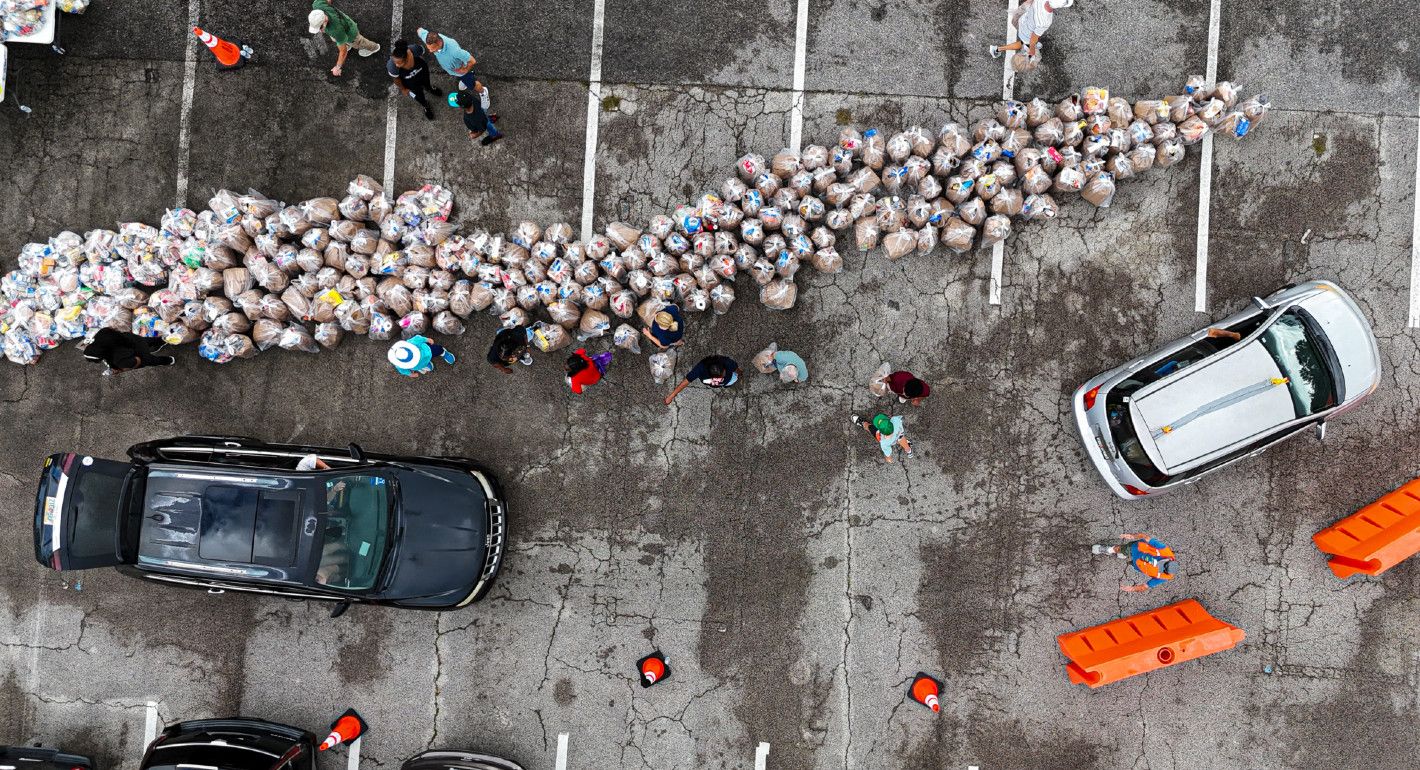
Government benefits can increase civic participation, strengthen trust in society, and improve compliance with the rule of law. Taking them away can do the opposite.
Katrina Kosec, Cecilia Hyunjung Mo

California’s difficulties with policy and project gridlock echo in large, complex, wealthy democracies worldwide—and consistent, pragmatic attention to lingering policy problems along with comprehensive political reform may be needed to fix it.
Mariano-Florentino (Tino) Cuéllar, Micah Weinberg

It’s ultimately local.
Hiroshi Motomura
We analyze the unique set of exchanges—educational, commercial, cultural, infrastructure and diaspora—that inform the West Coast’s relationships with Asia, Oceania, as well as countries in Latin and South America.
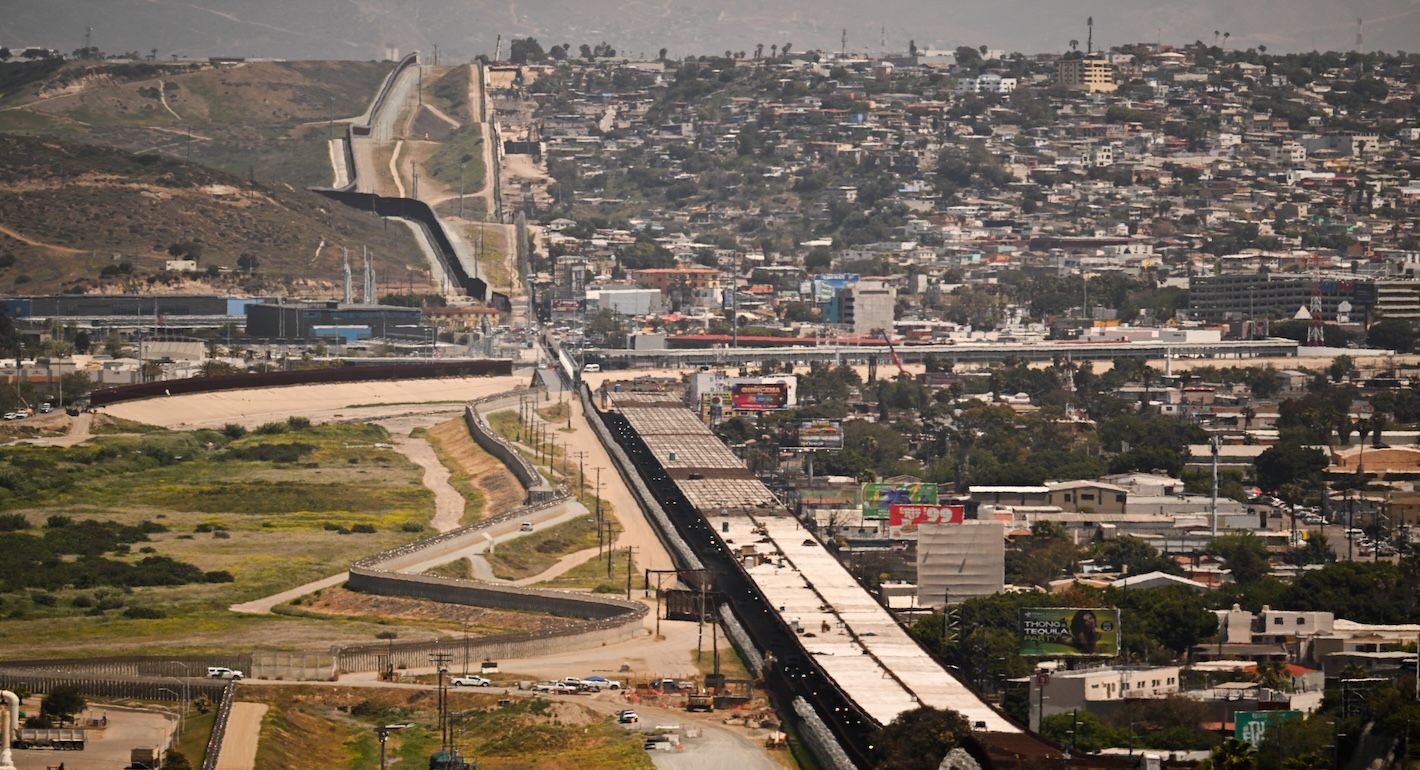
The hot-button topic must grapple with whether the law is meant to translate the country’s physical border into law or to define communities inside the United States.
Hiroshi Motomura
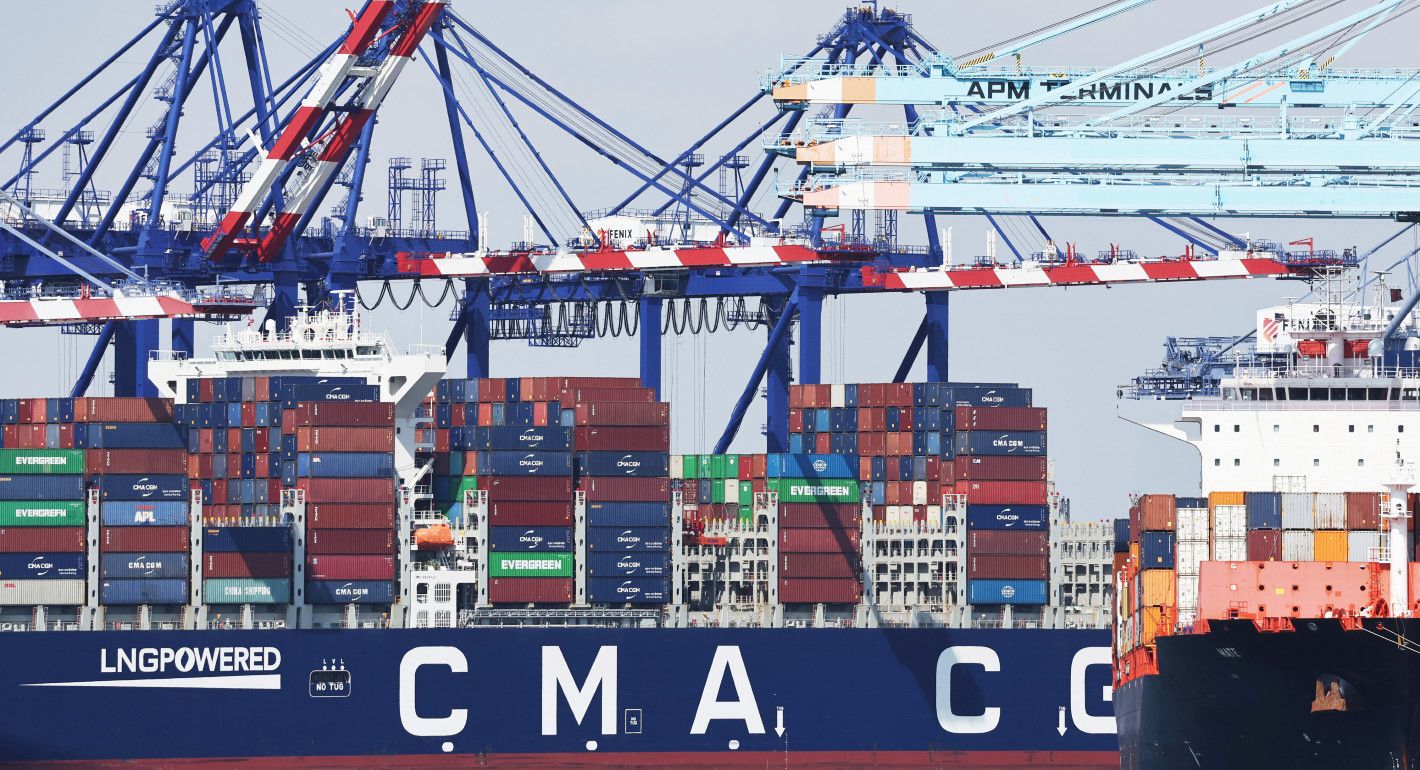
Californians recognize the vulnerability of the state’s critical infrastructure—especially its ports.
Isaac B. Kardon

Global cities have played a central role in the era of neoliberal economic governance, but there are several signs that this role is under strain or perhaps even coming to an end.
Ian Klaus, Simon Curtis
Carnegie California conducts the broadest annual statewide surveys on Californians’ perceptions of global affairs and AI. The surveys feature findings on climate, migration, democracy, diplomacy, technology, trade, jobs, and the economy, and are considered in the context of their national and international findings.

California is acutely aware of the intense renegotiation happening almost daily in domestic and international politics.
Ian Klaus, Mark Baldassare, Marissa Jordan, …

Californians believe that AI will significantly impact their work, communities, and democracy. But this is offset by high levels of anxiety and uncertainty around specific impacts.
Ian Klaus, Mark Baldassare, Rachel George, …

The 2024 Carnegie California Global Affairs Survey reflects Californians’ heightened concerns about ongoing conflicts and critical elections, including in the United States. It arrives at a tense moment in American democracy and during a critical election year for many of the world’s leading democracies.
Ian Klaus, Mark Baldassare, Marissa Jordan, …